
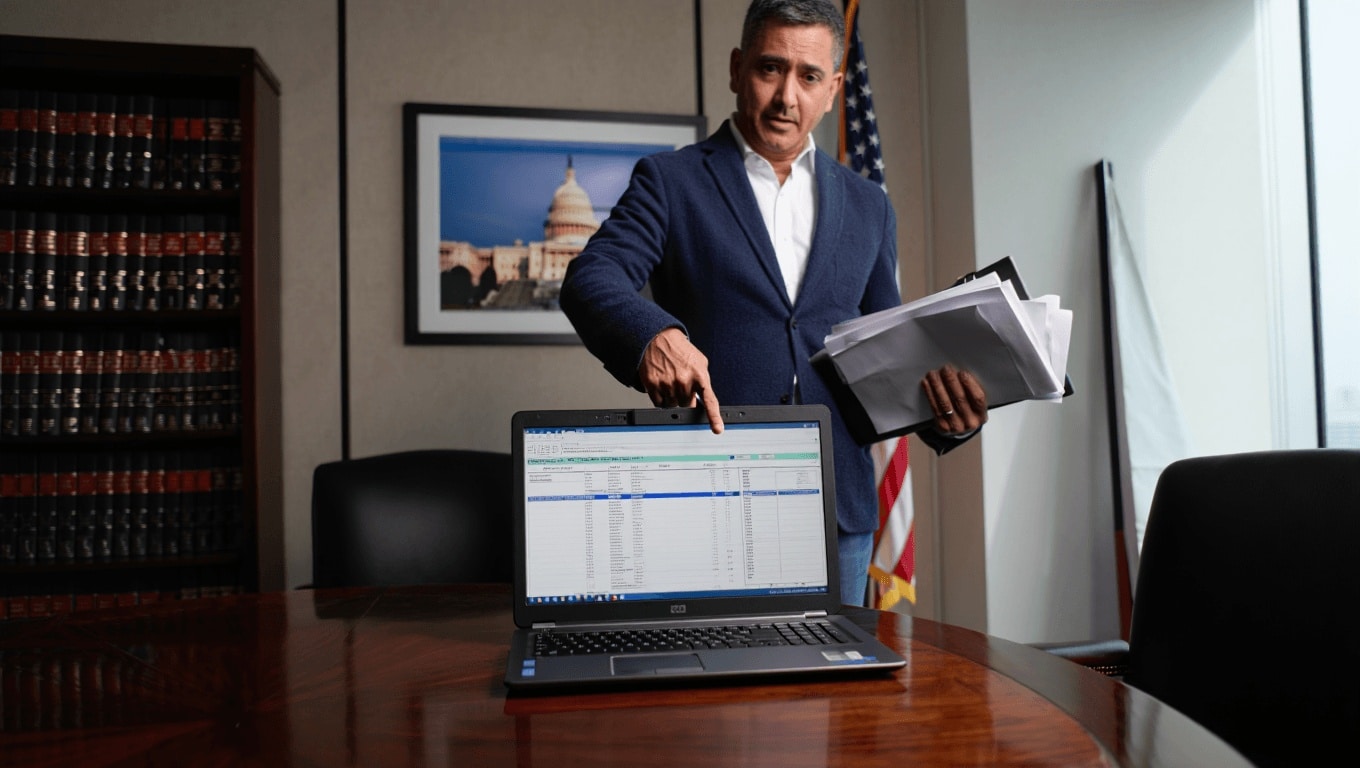
The U.S. Department of Education has stopped a key part of its oversight of the companies that run federal student loan accounts, a new Government Accountability Office review found — a move that comes as the administration pushes through sweeping changes to repayment rules. That timing raises fresh questions about whether millions of borrowers will get accurate bills and clear guidance during a major policy transition.
GAO: routine checks paused in February 2025
In a report released this year, the nonpartisan Government Accountability Office said the department halted evaluations of servicer accuracy and call quality in February 2025. The suspension followed large staff cuts at the Education Department’s Federal Student Aid office, the GAO noted.
The watchdog warned that without those assessments the department cannot be confident that account records are correct or that servicers are providing reliable information. As a result, borrowers could be placed into the wrong repayment status or receive incorrect billing, the report said.
Sen. Bernie Sanders, who requested the review, criticized the decision, saying the change will make it harder for borrowers to understand what they owe and how long repayment will take.
What the GAO identified — and why it matters now
These developments coincide with the Trump administration’s effort to replace current repayment structures with the One Big Beautiful Bill Act, legislation that would eliminate several income-driven plans and other forms of debt relief. Consumer advocates say the policy shift will generate many questions and appearance of need for servicer assistance precisely when oversight has been reduced.
- Scope of the problem: More than 42 million Americans hold federal student loans, and total outstanding federal student debt exceeds $1.6 trillion, according to the Congressional Research Service.
- Monitoring paused: Assessments of servicer call quality and record accuracy were stopped in February 2025, per the GAO.
- Staffing cuts: The Federal Student Aid office’s headcount dropped from 1,433 to 777, the report shows.
- Potential borrower impact: Wrong repayment assignments, billing errors, delayed enrollments in relief programs and increased delinquencies.
How servicers work — and where they’ve failed before
The department hires private companies to collect loans, answer borrower questions and enroll people in repayment or forgiveness programs. These vendors receive more than $1 billion annually to manage the federal portfolio, higher education analysts estimate.
But servicers have a history of problems. In 2023 the Education Department withheld $7.2 million from one contractor after billing lapses led to delayed statements for millions of borrowers and hundreds of thousands falling behind on payments. A separate, high-profile enforcement action dates to 2017, when the Consumer Financial Protection Bureau sued a major servicer for steering borrowers away from affordable repayment options; that company later agreed to a settlement and exited federal servicing.
Those episodes underscore the stakes: when servicers err, the consequences can include higher interest accumulation, missed eligibility for forgiveness and increased defaults.
Department response
A department spokesperson said officials still employ multiple monitoring tools — including data quality checks, cross-system validation, routine performance reports and borrower satisfaction surveys — to oversee vendor performance. The spokesperson emphasized continuing executive-level reviews with servicers.
What borrowers should watch for
In the near term, borrowers may face uncertainty as new rules take effect and companies handle transitions. Practical signals to watch for include unexpected changes to repayment status, unexplained late fees, or a sudden inability to enroll in programs that previously accepted the borrower.
If you suspect an error on your account, document communications and request written confirmations from your servicer. Consumer advocates also recommend keeping copies of income documentation and payment receipts until records are stable.
With policy changes underway and federal oversight scaled back, the accuracy of servicer operations has immediate consequences for millions of Americans managing student debt.
Similar Posts
- Student loan interest slashed temporarily for autopay users by Trump administration
- Student loan interest discount announced for federal borrowers: who can get it
- Student Loan Forgiveness Confirmed: Trump Rolls Out New Plans This April
- US Student Loan Crisis: Borrowers Blocked from Lower Payments Face New Hurdles
- Student loan borrowers: 643,000 stuck waiting for relief, court filing says

Jordan Keller specializes in analyzing the US financial markets. With concrete recommendations, he helps you secure and boost your investments by providing strategies that adapt to market fluctuations.