
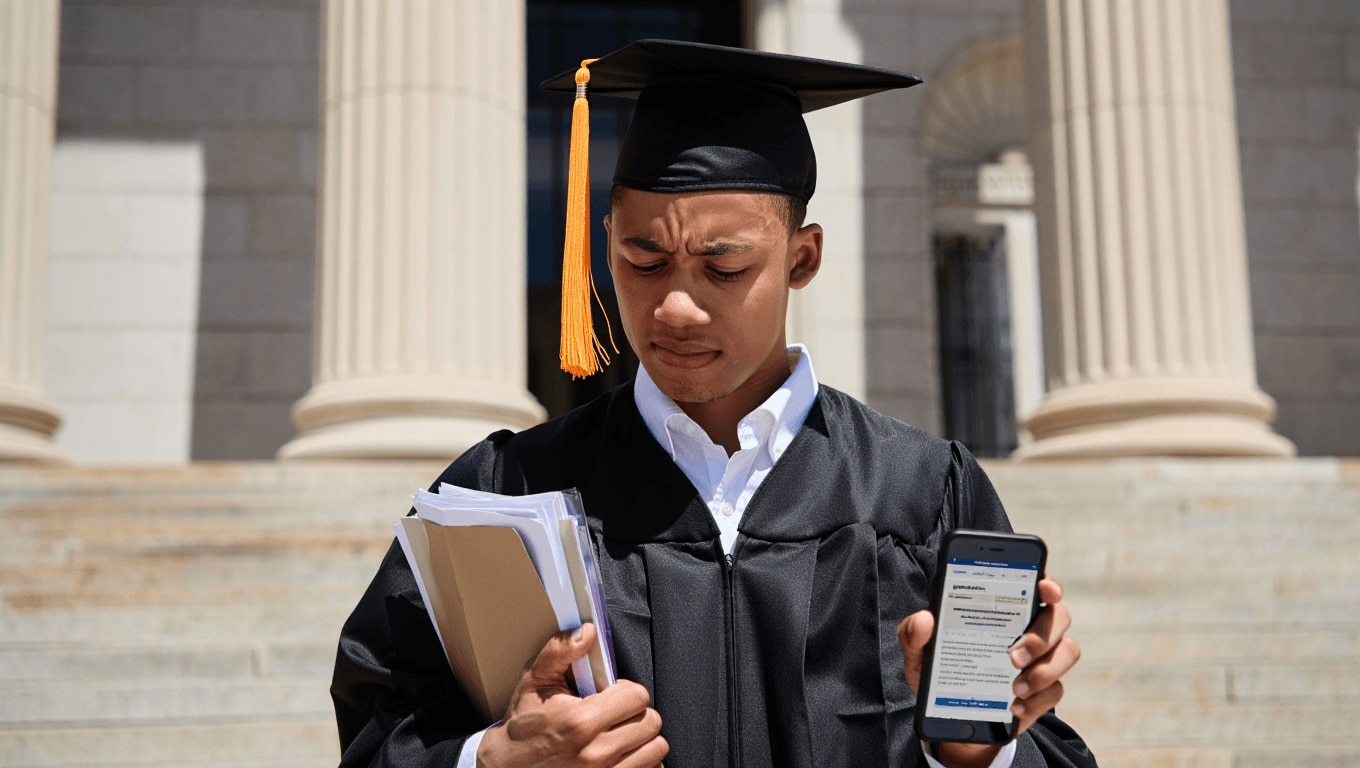
Graduates finishing school in 2026 are returning to a federal student loan system that looks markedly different from the one their predecessors knew. New laws and policy changes that took effect after last year mean fewer repayment choices and tighter rules for forgiveness — and those shifts start to matter as payments restart this winter.
Short breathing room: the grace period
Most federal borrowers still get a built-in pause before payments begin: a six-month grace period that starts after you leave school. For students with Perkins loans, that window can extend up to nine months.
During the grace period, borrowers with subsidized loans won’t be charged interest. Interest on unsubsidized loans, however, continues to build. Nancy Nierman, assistant director of the Education Debt Consumer Assistance Program in New York, notes that loan statuses typically flip to “in repayment” about six months after graduation — for many recent graduates that will be around December.
Mark Kantrowitz, an independent higher-education analyst, estimates roughly 2 million students earn bachelor’s degrees each year; about 60% take on federal student debt, with an average balance near $30,000 and a median monthly bill of about $304. Those numbers help explain why understanding the timing and terms of repayment is essential now.
Repayment options are being reshaped
The menu of federal repayment plans has been overhauled. Some programs that offered very low monthly payments under the previous administration are no longer available, while new plans will roll out midyear.
Most notably, the Biden-era SAVE plan has been discontinued for incoming borrowers, and a new structure takes effect July 1. Starting that day, the Department of Education will allow enrollment in a new Repayment Assistance Plan (RAP), which scales monthly payments to income — generally between 1% and 10% of earnings — and establishes a flat minimum monthly payment of $10.
Borrowers whose loans were fully disbursed before July 1 will remain eligible for several legacy plans. Those include:
- Standard Repayment Plan
- Graduated Repayment Plan
- Extended Repayment Plan
- Income-Based Repayment (IBR)
- Income-Contingent Repayment (ICR)
- Pay As You Earn (PAYE)
Betsy Mayotte, president of The Institute of Student Loan Advisors, urges new graduates to compare both monthly bills and the total cost over time. A low monthly payment can still lead to higher long-term charges if interest accumulates or repayment stretches out.
Spring graduates who borrow again after July 1 should be aware they will face a narrower set of choices: the new Tiered Standard Plan and RAP will be among the primary options for loans taken out after that date.
Forgiveness programs face new limits
Forgiveness pathways that previously allowed borrowers to have balances canceled are also changing. The long-standing Public Service Loan Forgiveness (PSLF) program — which, under its original rules, forgives federal student debt for qualifying public- or non-profit-sector workers after roughly a decade of payments — is now subject to tighter eligibility rules.
Last year, the White House directed new restrictions that would bar employees of organizations involved in certain activities from qualifying for PSLF. Those changes are slated to take effect in July but are being contested in court, and advocates caution the rules could narrow who counts as an eligible employer.
At the state level, many relief programs remain targeted to specific professions or to borrowers who meet income thresholds. Examples include Maine’s dental repayment program, which can provide up to $100,000 in loan assistance for dentists serving underserved communities, and New York’s Get On Your Feet Loan Forgiveness Program, which offers up to 24 months of forgiven payments for certain residents with adjusted gross incomes below $50,000.
The Institute of Student Loan Advisors and other nonprofit groups maintain searchable listings of state and occupation-based forgiveness programs.
What graduates should check now
- Confirm your loan servicer and verify your contact information so you receive billing notices on time.
- Note the end date of your grace period and set a calendar reminder roughly two weeks before your first payment is due.
- Review which repayment plans you qualify for based on when your loans were disbursed.
- Look up potential forgiveness programs — federal and state — that match your employer or occupation.
- Use the official loan calculator at StudentAid.gov or consult a nonprofit loan counselor to compare monthly payments and lifetime costs.
Policy changes will continue to evolve, and several of the new rules are the subject of legal and administrative review. For graduates, the immediate priority is knowing when payments begin and what repayment options apply to their specific loans so they can choose the most sustainable path forward.
Similar Posts
- Student loan forgiveness overhauled by Trump policies: what borrowers must do now
- Student Loan Forgiveness Confirmed: Trump Rolls Out New Plans This April
- Federal vs. Private Student Loans: Which is the Better Choice for You?
- Student Loan Pitfalls: Top 7 Disputes to Dodge This April!
- PSLF changes take effect: 3 key updates borrowers need to act on

Jordan Keller specializes in analyzing the US financial markets. With concrete recommendations, he helps you secure and boost your investments by providing strategies that adapt to market fluctuations.