
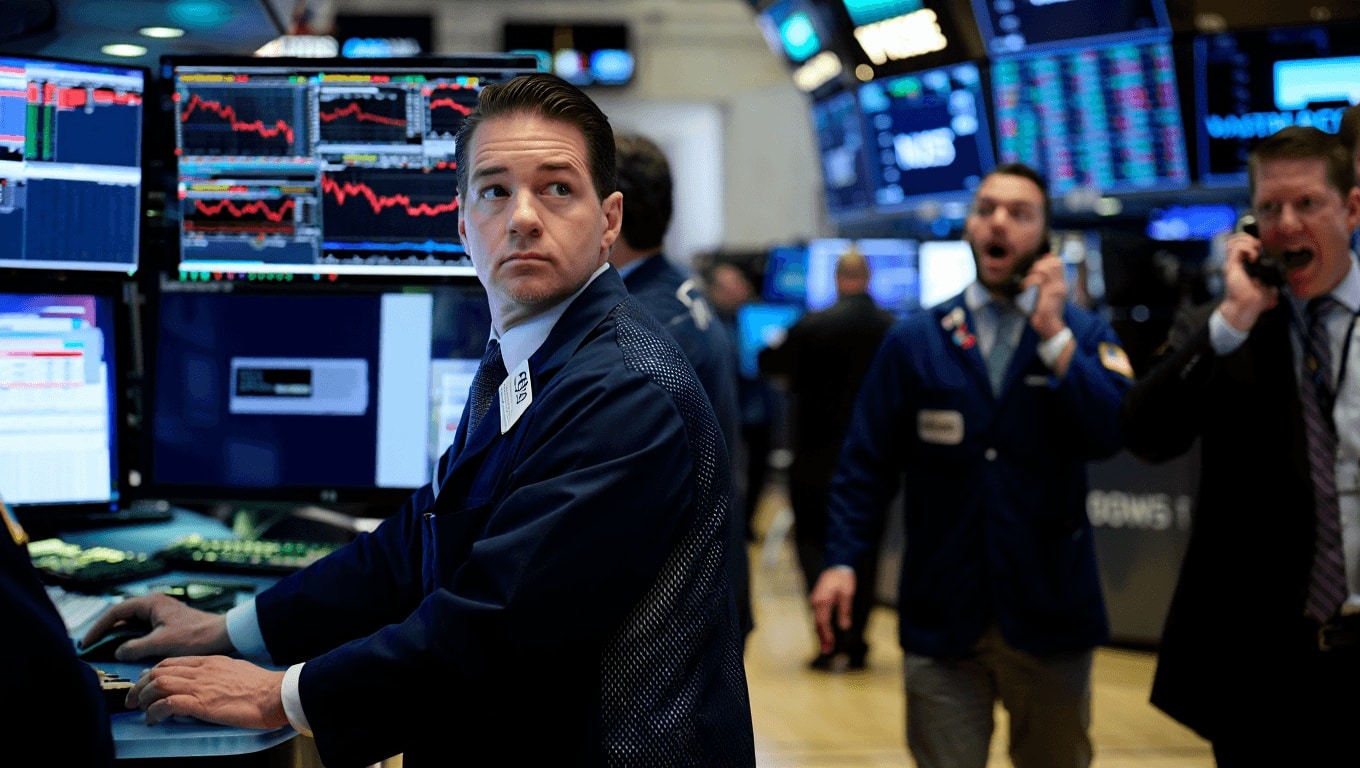
The war involving Iran has jolted global markets for months, but the recent selloffs are doing more than shaking portfolios — they’re revealing how investors actually react under pressure. That information can be useful: it helps people and advisors align portfolios with real tolerance for risk rather than theoretical comfort.
Since the conflict began, U.S. stocks have swung sharply. The S&P 500 dropped roughly 9% from its Jan. 27 high to a late‑March low, then recovered to fresh records even as the fighting continued. Still, markets slipped again on Thursday afternoon as traders awaited Iran’s response to a U.S. proposal aimed at ending hostilities and reopening the Strait of Hormuz, a key route for oil shipments.
Volatility as a diagnostic
Sharp market moves are unsettling by design, not anomaly. The Chicago Board Options Exchange volatility index, widely known as the VIX, climbed to its highest point since April 2025, signaling a sudden rise in investor anxiety.
Kevin Khang, senior global economist at Vanguard Group, argues that these episodes perform a practical function: they expose how much market stress investors can tolerate. Calm markets don’t force decisions; turmoil does. Seeing how you respond — whether you sleep through the noise or start making changes — yields useful data for portfolio construction.
Historically, stock investors who endure volatility have enjoyed higher long‑term returns than those who favored safety in bonds or cash. The S&P 500 has experienced more than three dozen drawdowns of roughly this size over the decades, and Vanguard’s analysis suggests the recent selloff was relatively modest compared with past crises.
That said, the past 15 years have been unusually favorable for stocks, leaving many younger investors with limited experience of deep corrections. Advisors note that when someone’s only memories of owning stocks are rallies, the first sharp selloff can feel especially jarring.
Two different risks to understand
Financial planners separate two concepts that are often confused: risk capacity and risk tolerance. Understanding both helps determine the right mix of stocks and bonds.
- Risk capacity — the financial ability to withstand losses. A 25‑year‑old saving for retirement typically has high capacity: decades to recover from downturns, so a heavy stock allocation can make sense.
- Risk tolerance — how much volatility an investor can emotionally endure. This is subjective and varies: some older investors may have the financial cushion but still find big swings intolerable.
An 80‑year‑old with a multi‑million dollar portfolio and modest spending needs may technically be able to absorb market declines, but if daily volatility causes sleepless nights, their allocation should reflect that emotional reality. Advisors warn that investors who feel panic are prone to the classic mistake: buying high, selling low.
Practical steps for investors now
Staying fully invested is not the only correct choice, but abandoning equities out of fear usually hurts long‑term outcomes. Instead, advisors recommend a measured review of portfolio design and cash‑flow needs.
- Reassess your time horizon and goals before making changes.
- Stress‑test portfolios: model multi‑year drawdowns and whether you can cover living expenses without selling at a loss.
- Keep an emergency fund to avoid forced selling during downturns.
- Consider rebalancing to restore target allocations rather than wholesale shifts driven by emotion.
- For retirees, prioritize income stability: some client allocations skew much heavier to bonds for peace of mind, while popular target‑date funds for 2025 retirees hold roughly half in stocks.
- Talk with a fiduciary advisor if you’re unsure how to align investments with personal comfort and financial needs.
Ryan Greiser, a certified financial planner and co‑founder of Opulus, stresses that market corrections reveal whether an investor’s plan is realistic. If a downturn exposes behavior that undermines long‑term goals, it’s a signal to adjust the plan, not an excuse to abandon investing altogether.
Carolyn McClanahan, a CFP and founder of Life Planning Partners, notes that acceptable allocations vary. Some retirees are comfortable with a conservative split — for example, 80% bonds and 20% stocks — because it matches their cash‑flow needs and tolerance for volatility.
Market turbulence is inconvenient, but it can be constructive. The key takeaway for investors: use stress events to learn how you actually behave, then set a portfolio that reflects both your financial capacity and your emotional comfort with risk. That approach reduces the chance of impulsive choices that undermine long‑term objectives.
Similar Posts
- Iran war market rout puts near-retirees’ savings at risk
- Rebalance now: take advantage as bonds tumble and stocks rally
- Crypto may lower portfolio risk: experts stress correct allocation is key
- Gen Z scrambling as markets wobble: what young investors should do now
- Investors rush to safe havens as Iran conflict shakes global markets

Jordan Keller specializes in analyzing the US financial markets. With concrete recommendations, he helps you secure and boost your investments by providing strategies that adapt to market fluctuations.