
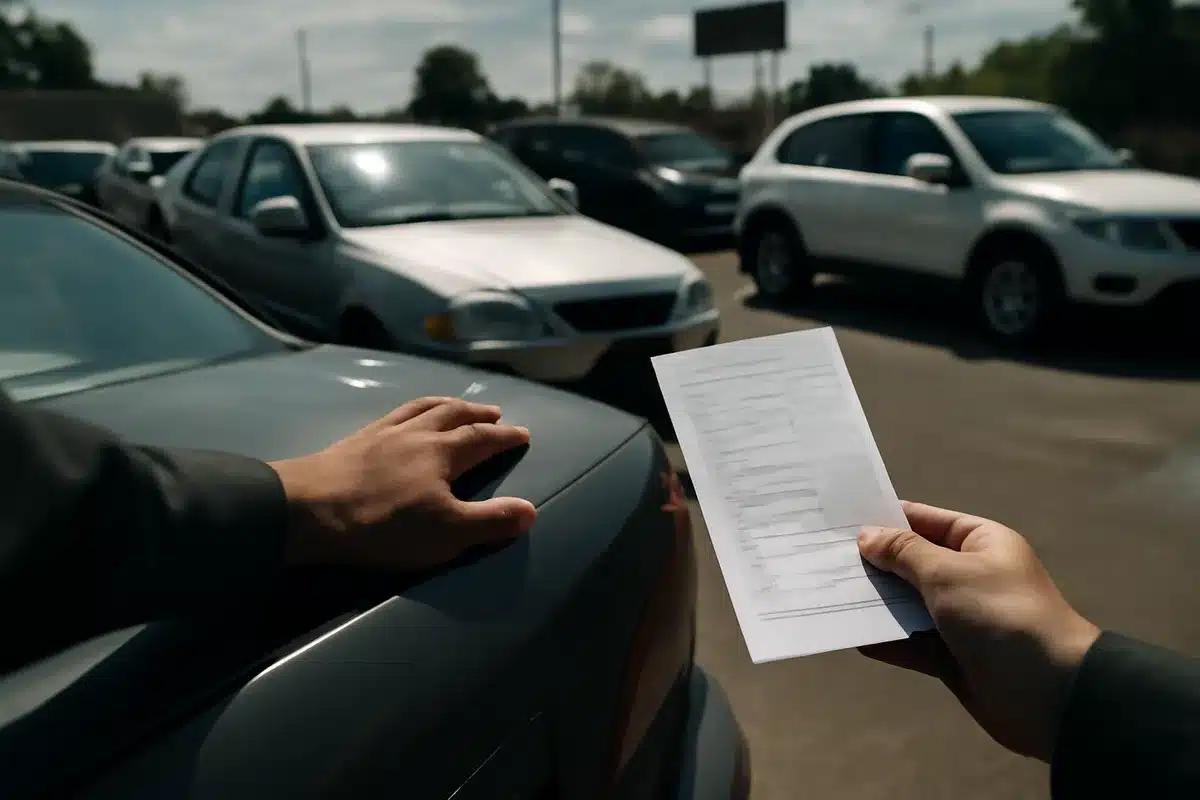
Finding a used car for less than $20,000 is still possible — but bargains are rarer and often come with trade-offs that matter right away for buyers’ budgets and plans. Recent industry data show fewer low-priced listings and older, higher-mileage vehicles filling the sub-$20k market, with implications for repair bills, loan costs and resale value.
Fewer cars priced under $20,000
Research from Edmunds shows a notable shift: in the second quarter of 2026, roughly 32% of used-car transactions were for vehicles under $20,000, down from about 55.2% in the same quarter of 2019. That compression reflects a broader tightening of affordable supply as overall used-car prices have climbed.

Price also influences how quickly a car moves. Edmunds data indicate vehicles priced between $5,000 and $10,000 spent an average of 25.4 days on dealer lots, while cars listed at $20,000–$25,000 averaged 37.8 days, and luxury-priced models took about 44.3 days to sell. In short: lower-priced cars are selling faster, even as there are fewer of them.
Auto market analysts point to inflationary pressure on vehicles and overall household budgets as a key reason buyers are hunting for cheaper options. But cheaper up front does not always mean cheaper over time.
Price tags hiding higher age and mileage
Part of the shift is demographic: cars that now fall into lower price brackets tend to be older and carry more miles than similar-priced models did before the pandemic.
Edmunds reports that, in Q2 2026, the typical used vehicle priced between $15,000 and $20,000 was about 6 years old with roughly 71,192 miles on the odometer. By comparison, that same price band in 2019 featured cars averaging 3.4 years and about 41,851 miles.
For the $10,000–$15,000 tier, the gap is wider: cars averaged 8.7 years and roughly 98,222 miles this year, versus 4.7 years and about 58,250 miles in 2019. As Edmunds’ consumer insights team notes, even generally reliable vehicles accumulate wear that can lead to increased maintenance and repair costs.
“Lower sticker prices increasingly reflect older age and higher mileage,” said Joseph Yoon, a consumer insights analyst at Edmunds, warning buyers to look past headline prices when evaluating value.
What buyers should watch
- Vehicle age and mileage: Older cars are more likely to need parts and labor that add up quickly.
- Recent maintenance history: Records for timing belts, brakes, tires and fluids can predict near-term costs.
- Inspection and warranties: A pre-purchase inspection and any remaining coverage can blunt unexpected bills.
- Loan length versus vehicle life: Matching the loan term to expected usable life reduces the risk of owing on a car you no longer drive.
- Credit-score impact: Borrowers with poor credit face much higher financing charges.
Financing adds a layer of cost
Loan terms for used vehicles are generally more expensive than those for new models. Experian’s Q2 2026 data show the average interest rate on a used-car loan around 11.2% with an average term of about 5.6 years. New-car financing averaged a lower rate — roughly 6.4% — with a similar term length.

Average financed amounts also differ: buyers took out about $27,852 on used purchases (monthly payments around $542), compared with roughly $43,610 financed for new vehicles (average monthly $765), Experian reports. About one in three used-car loans had monthly payments under $400.
Credit matters: borrowers with credit scores below 500 can expect used-car loan rates to exceed 21% on average, substantially increasing lifetime interest costs and affecting affordability.
Experts caution about long loan terms on older cars. Joseph Yoon of Edmunds describes a common pitfall: financing a multi-year loan on a vehicle that may not last for the full term can leave buyers owing on a car they can’t keep, or rolling negative equity into their next loan.
Market context and buyer takeaway
Cox Automotive reported an average used-car list price of about $27,028 in July 2026, roughly 29% higher than in July 2019 — a rise in line with broader U.S. inflation since the pre-pandemic period. Industry analysts say this underscores how affordability is stretching for many shoppers.
Karl Brauer, an executive analyst at iSeeCars, emphasizes that the sticker price is only the start of the calculation; repairs and maintenance on older vehicles often shift the total cost of ownership upward.
For buyers today: factor in likely maintenance, be conservative about loan length, prioritize inspection and service history, and compare quoted interest rates carefully. Those steps help ensure a lower sticker price doesn’t become a more expensive mistake down the road.
Similar Posts
- Seven-year auto loan share jumps: buyers stretch budgets to afford monthly payments
- Auto debt tops $1.68 trillion: soaring car payments squeeze household budgets
- EV prices buck used-car rules: what buyers and sellers need to know
- Fed pause leaves rates unchanged: what it means for credit cards, savings, mortgages and auto loans
- Middle-income buyers up $30,000 in buying power: housing still out of reach

Jordan Keller specializes in analyzing the US financial markets. With concrete recommendations, he helps you secure and boost your investments by providing strategies that adapt to market fluctuations.