
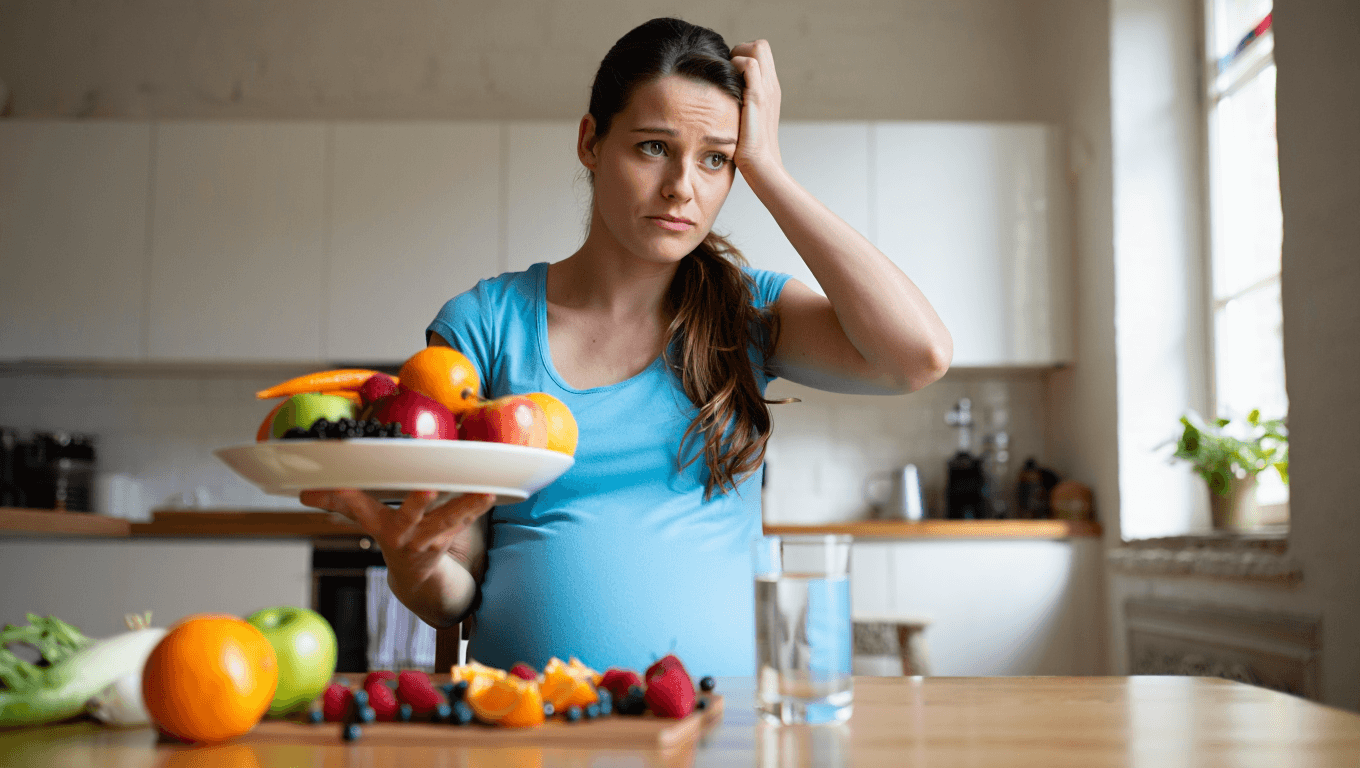
New research suggests the foods a pregnant person eats could shape a child’s reactions to those foods years later — a finding that, if confirmed, would shift how we think about the earliest roots of taste and dietary habits. The small study, led by researchers at Durham University and published in Developmental Psychobiology, tracked responses to vegetable flavors from the womb through early childhood.
Researchers assigned pregnant participants to take capsules containing either powdered carrot or powdered kale during pregnancy. Scientists then monitored fetal responses with ultrasound, recorded newborn facial reactions at three weeks, and conducted follow-up assessments when the children reached three years old.
The core result: children exposed to carrot flavor prenatally generally showed more positive reactions to carrot smell later on and reacted less favorably to kale, while those exposed to kale showed the reverse pattern. Study authors interpret these patterns as evidence that a kind of long-term flavor memory can form in utero.
- Study design: Pregnant participants received daily capsules containing either carrot or kale powder during pregnancy.
- Measurements: Fetal reactions by ultrasound, newborn facial responses at three weeks, and follow-up testing at age three.
- Key finding: Prenatal exposure predicted later responses to the same vegetable aroma.
- Sample size: Very small — the analysis involved roughly a dozen children, which limits how broadly the results can be applied.
The idea is consistent with earlier work showing fetuses are sensitive to external inputs — they react to light, sound and maternal movements — so it’s plausible that chemical cues from the mother’s diet could influence sensory learning before birth. If true, prenatal diet might be a low-cost way to nudge children toward healthier foods, long before they begin eating solids.
But there are major caveats. The study’s small sample size increases the risk that the patterns observed are due to chance or specific to this group. Replication in larger, more diverse cohorts is essential before changing clinical guidance or prenatal nutrition recommendations.
For now, the most immediate takeaway for expectant parents and clinicians is familiar: eating a balanced, nutrient-rich diet during pregnancy supports fetal development in multiple ways. Whether deliberate exposure to disliked vegetables during pregnancy will reliably shape a child’s palate remains an open question.
Researchers say the next steps should include larger trials that track a wider range of flavors and control for postnatal factors such as breastfeeding, early feeding practices and family diet — all of which also influence taste preferences. Until then, the study is an intriguing early clue rather than definitive evidence.
Why it matters now: Interest in early-life interventions to improve lifelong health is growing, and prenatal windows are increasingly seen as promising targets. This study adds to that conversation by proposing a direct prenatal route to influence food preferences — but it also highlights how careful, larger-scale research is needed before new recommendations are made.
Similar Posts
- Sperm counts fall after common habit: new study warns fertility may suffer
- Autism risk tied to everyday medications in new study: acetaminophen not to blame
- Vitamin linked to when you go: research finds one nutrient may set your daily bowel clock
- Cats Prefer Men Over Women? Discover Why Your Feline Meows More!
- Smartphone Alert: Kids Given Phones Too Early Face Serious Risks!

Miles Harper focuses on optimizing your daily life. He shares practical strategies to improve your time management, well-being, and consumption habits, turning your routine into lasting success.