

The recent wobble among a handful of mega-cap stocks has pushed a little-noticed investing approach into the spotlight: equal-weight exchange-traded funds. As market leadership broadens away from the biggest names, these funds are drawing fresh inflows from investors worried about concentration and hunting for more balanced exposure.
Why this matters now
After years in which a small group of technology giants dominated returns, that leadership has softened in 2026. The shift has real consequences for portfolios: funds that track indexes by market capitalization remain heavily skewed toward the largest firms, while equal-weight strategies spread exposure evenly across constituents. That difference is prompting investors to rethink how they stay invested without taking on what many describe as excessive concentration risk.
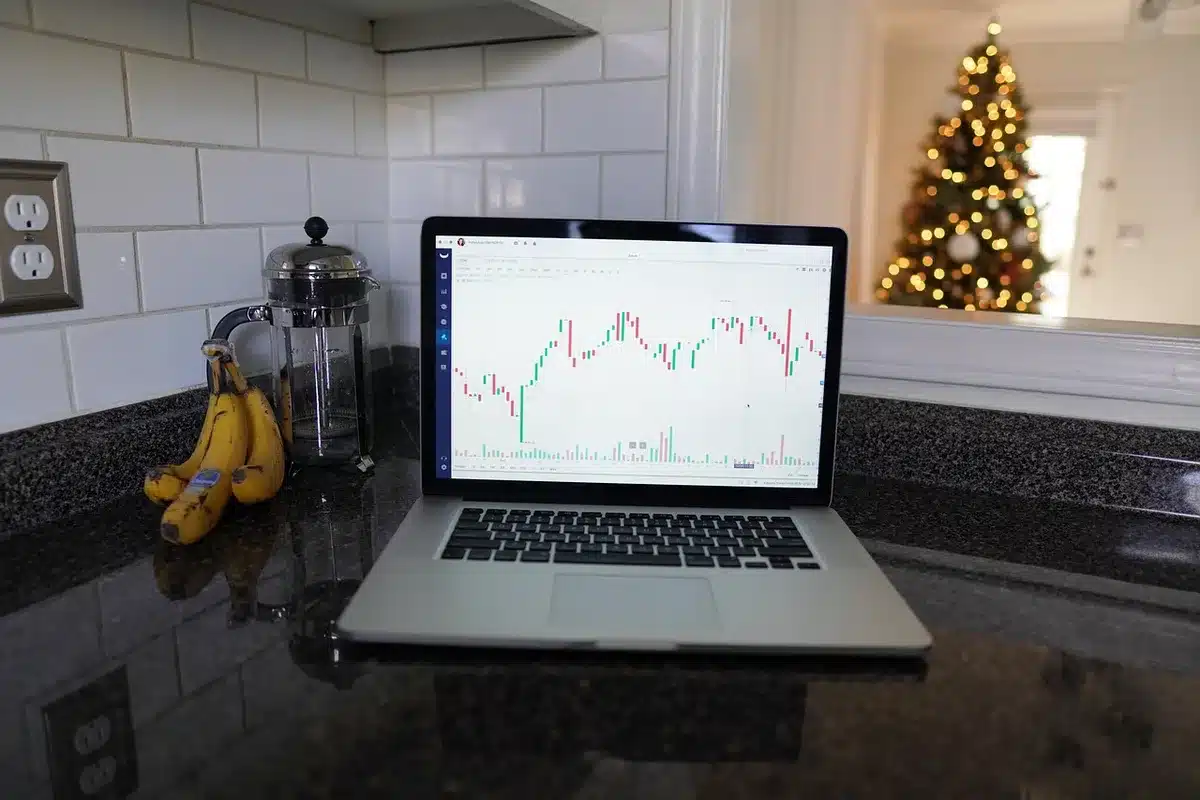
In practical terms, the trend shows up in flows and performance. The Invesco S&P 500 Equal Weight ETF — the largest fund using this approach — pulled in more than $12 billion so far this year and topped $100 billion in assets under management, outpacing the market-weighted S&P 500 by roughly three percentage points year-to-date through Aug. 21.
What equal-weight funds do differently
Market-cap-weighted ETFs allocate by a company’s size, so the biggest names take the largest share of the fund. By contrast, an equal-weight ETF assigns the same weighting to every company in the index, regardless of market value. That makes the holdings less top-heavy and increases exposure to mid- and smaller-sized names inside the same index.
Portfolio managers and analysts say the approach can act both as a tactical play — to capture a widening rally beyond mega caps — and as a longer-term diversification tool.
Where the market stands
For context: the three biggest S&P 500 index funds — Vanguard’s VOO, iShares’ IVV and State Street’s SPY — still control nearly $3 trillion combined, with VOO alone around the trillion-dollar mark. But the composition of the S&P has been concentrated: the so-called Mag 7—top U.S. tech and growth companies—made up roughly a third of the benchmark, while the top 10 names represented close to 40%.
That dominance helped drive returns for years but left some investors uneasy about what happens if those names cool. As market breadth improves, equal-weighted strategies can pick up exposure to winners outside the largest caps.
Fund options and what they target
There’s now a wider menu of equal-weight and smart-beta ETFs that mirror different indexes or focus on specific sector or factor tilts. Below are several funds investors and advisors commonly discuss, with a short snapshot of each.

| ETF | Focus | Notes |
|---|---|---|
| Invesco S&P 500 Equal Weight (RSP) | Equal-weight S&P 500 | Largest equal-weight fund; substantial inflows and >$100B AUM year-to-date |
| Invesco Russell 1000 Equal Weight (EQAL) | Broader large-cap U.S. universe | Similar approach to RSP but tracks a different index |
| First Trust Nasdaq-100 Select Equal Weight (QQEW) | Equal-weight Nasdaq-100, quality/growth tilt | Concentrates on higher combined quality and growth scores |
| ProShares S&P 500 Dividend Aristocrats (NOBL) | Dividend-growers from the S&P 500 | Targets companies with long records of raising dividends |
| iShares MSCI USA Equal Weighted (EUSA) | Equal-weight large- and mid-cap U.S. equities | Tracks an MSCI equal-weighted index |
| ALPS Equal Sector Weight (EQL) | Sector-balanced large caps | Allocates equally across economic sectors while using float-adjusted market caps within sectors |
| SPDR S&P Biotech (XBI) | U.S. biotech, equal-weighted | Common choice for sector-specific equal weighting |
Voices from the market
Cinthia Murphy, director of research at VettaFi, says interest tends to spike when the market’s winners narrow. “When returns are concentrated in a few names, equal weighting is easy to overlook. But once leadership widens, those funds re-emerge as a practical way to get broader participation,” she told reporters.
Nathan Geraci, president of NovaDius, points out another angle: equal-weighted S&P indexes behave in some ways like mid-cap strategies, so investors could consider that segment as an alternative route to reduced top-heavy risk. He also observes that market performance has recently included a wider mix of sectors, which supports the equal-weight case.
Neither expert suggests equal-weighting is a cure-all. These funds can underperform in stretches where a narrow set of mega-cap winners dominate, and rebalancing can produce higher turnover and tax considerations compared with passive market-cap-weighted funds.
Key takeaways for investors
- Equal-weight ETFs reduce exposure to the very largest companies and boost weights in the rest of the index.
- They can serve as both a tactical trade during a rotation away from mega caps and a long-term tool to diversify index exposure.
- Costs, turnover and potential tax impacts differ across funds; examine each ETF’s structure and fees before deciding.
As the market’s leadership continues to evolve, equal-weight strategies have moved from niche to mainstream consideration. For investors concerned about whether the largest names can sustain their outsized role, these funds provide an accessible way to stay invested in the market while dialing down top-heavy concentration.
Similar Posts
- Gen X investors face dot-com era losses as retirement portfolios wobble
- SpaceX now in retirement funds: savers could own shares without knowing
- Investors fleeing bond market chase dividend stocks and alternatives for income
- Investors ride Iran war oil rally: staying long could become riskier
- Gold spikes after Middle East unrest: what investors need to know

Jordan Keller specializes in analyzing the US financial markets. With concrete recommendations, he helps you secure and boost your investments by providing strategies that adapt to market fluctuations.