

Corporate profits in the energy sector exploded this quarter as Middle East tensions pushed oil prices higher, handing big gains to producers and refiners alike — but market strategists warn many of those gains reflect short-term geopolitical moves rather than durable fundamentals. For investors, the question now is whether to lock in profits or reposition for longer-term themes such as natural gas, infrastructure and nuclear energy.
Surging profits tied to geopolitical shocks
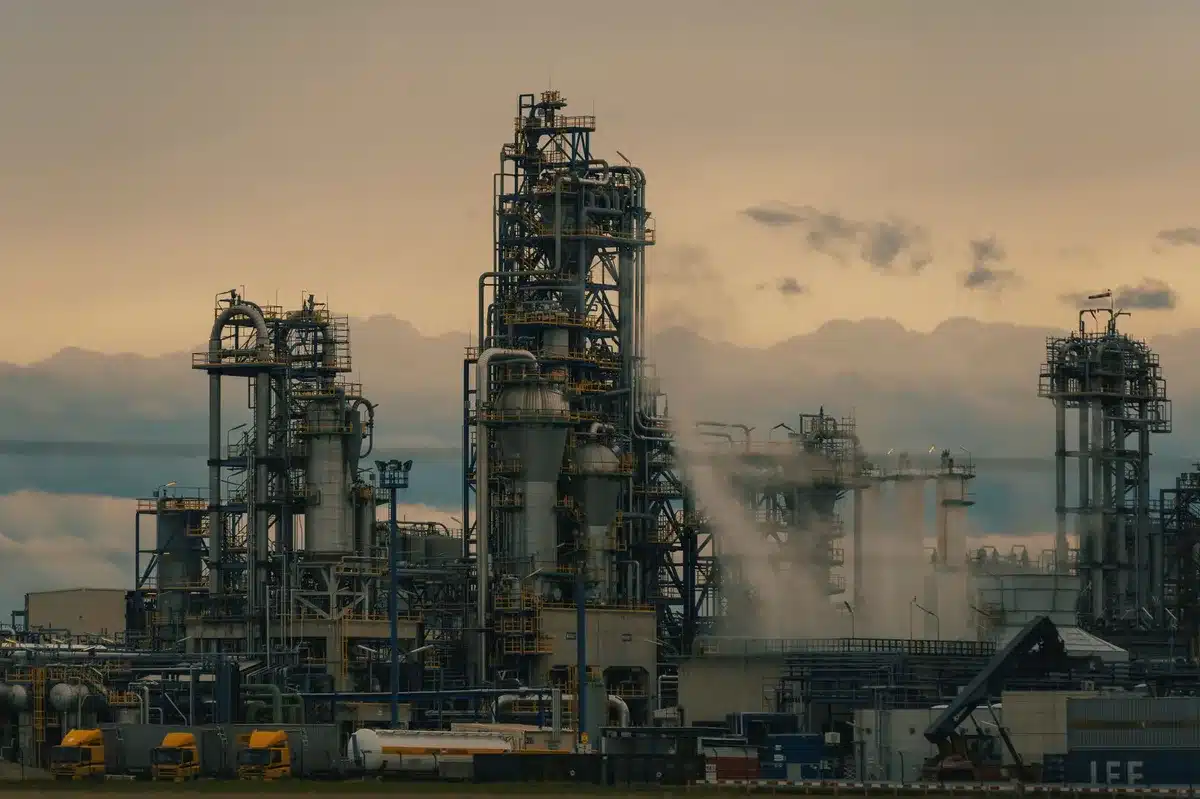
Major oil producers reported eye-popping results last week. ExxonMobil said quarterly profit roughly doubled year-over-year to $14.5 billion, while Chevron reported net income that climbed nearly 400%. Refiners saw even larger percentage jumps: Valero’s earnings rose more than 400%, and Chevron’s refining unit posted a roughly 500% increase as elevated gasoline and diesel prices widened margins.
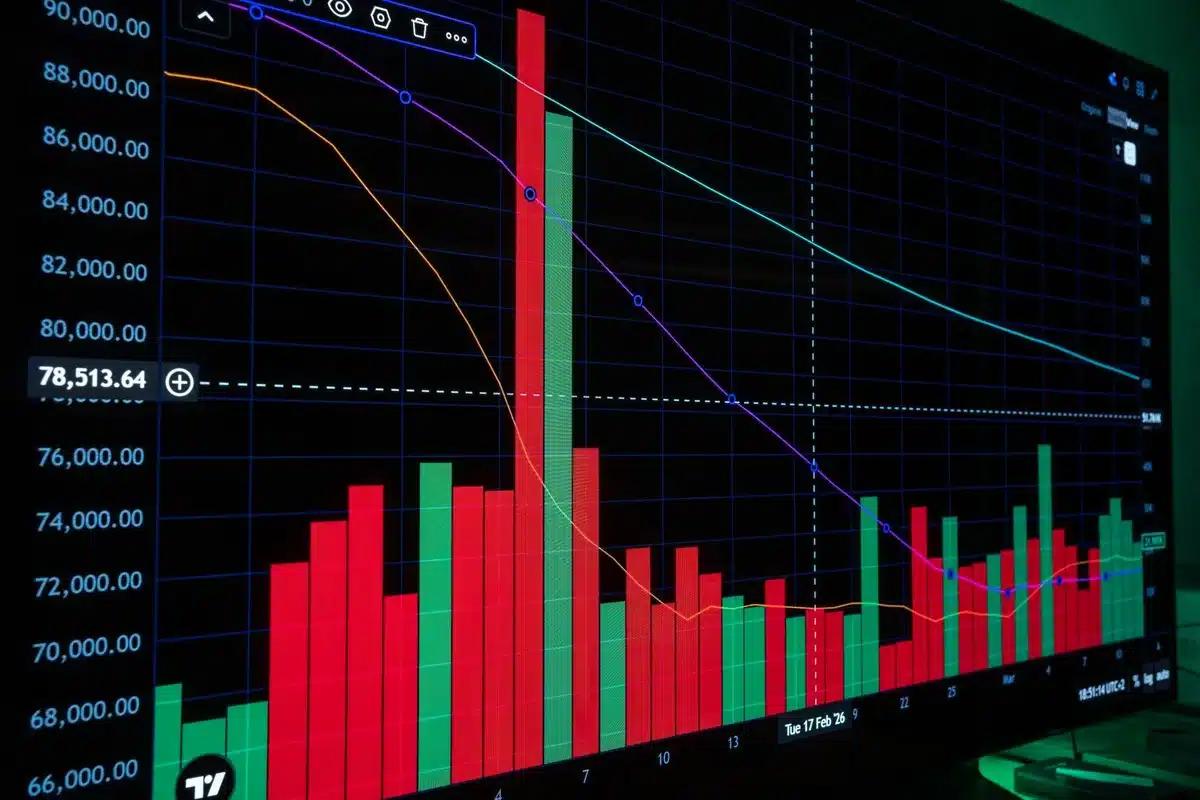
Supply fears helped drive prices sharply higher earlier this year. U.S. crude futures averaged over $92 a barrel in the April–June quarter, a roughly 27% quarterly increase, and the market has been volatile — trading between about $72 and nearly $120 a barrel since early March.
Over the past week, hopes for de-escalation — including recent comments from President Trump pointing to the “perimeters of a deal” and the potential reopening of the Strait of Hormuz — helped push prices down. As of Friday, U.S. crude was trading below $85 and Brent near $90, with oil falling more than 5% in the prior week on betting that tensions may ease.
Short-term winners, long-term questions
That whipsaw has created large, rapid gains for traders and funds positioned for oil volatility. But analysts caution many of those profits are the product of speculation tied to geopolitical headlines rather than changes in industry fundamentals.
“If you’re playing oil around geopolitical headlines on a six-month horizon, that’s not investing — it’s speculation,” said Dave Nadig of ETF.com, noting many of the moves were driven by intraday reactions to flare-ups in the Persian Gulf. He and other market veterans say only sophisticated traders with deep market knowledge can reliably time those swings.
- USO (United States Oil Fund) — year-to-date return ~87%
- BNO (United States Brent Oil Fund) — ~78.1%
- DBO (Invesco DB Oil Fund) — ~76%
- CRAK (VanEck Oil Refiners ETF) — ~44.6%
- XLE (Energy Select Sector SPDR ETF) — >30%
Those ETFs and sector funds attracted inflows as traders chased oil’s ups and downs. CFRA’s Aniket Ullal pointed out a key difference: futures-based ETFs such as DBO track spot oil more closely and therefore are more volatile than stock-based funds like XLE. He cited trailing one-year volatility around 21.1% for XLE versus 38.6% for DBO — the very volatility that lures speculators.
For long-horizon investors, volatility tied to geopolitics can just as quickly reverse. Bryan Armour of Morningstar recommends lower-cost, broadly diversified exposure for those seeking energy exposure, arguing that diversified themes usually outperform concentrated, high-cost bets over time. “There are a lot of risks,” he said, urging investors to temper expectations for easy wins in a headline-driven market.
Where analysts see opportunity
Not all strategists have abandoned energy. CFRA moved to an underweight on energy after the war began in March, forecasting a longer-run WTI range nearer $60 a barrel and suggesting that recent price spikes are largely transitory. But analysts there still favor areas outside crude oil where fundamentals could strengthen.
Ullal singled out **natural gas** and energy infrastructure as themes with more durable potential. He argued natural gas may benefit from growing demand tied to data center buildouts and AI workloads, and he flagged infrastructure ETFs — such as Alerian MLP ETF (AMLP) and First Trust North American Energy Infrastructure Fund (EMLP) — as worth watching for income and diversification.
Nadig also pointed to longer-term interest in nuclear and uranium plays, noting those funds drew significant inflows in the period between the 2024 election and the start of the recent conflict. Funds like the VanEck Uranium and Nuclear ETF (NLR) have underperformed this year but could appeal to investors focused on multi-year structural demand rather than immediate oil-price moves.
Bottom line: headline-driven rallies created large, fast gains across producers, refiners and oil-focused ETFs — but they also raised the risk that latecomers could be caught as prices swing back. For patient investors, broad, lower-cost exposure and bets on durable energy trends such as natural gas, infrastructure and nuclear may offer a safer path than chasing short-term geopolitical rebounds.
Similar Posts
- Gold spikes after Middle East unrest: what investors need to know
- Investors fleeing bond market chase dividend stocks and alternatives for income
- Stock market hits fresh highs as tensions with Iran escalate: investor impact
- Iran war drives up living costs: Fed unlikely to step in to ease squeeze, analyst says
- Iran war rattles stocks: how past market reactions could affect your portfolio

Jordan Keller specializes in analyzing the US financial markets. With concrete recommendations, he helps you secure and boost your investments by providing strategies that adapt to market fluctuations.