

A new dating pattern that prizes emotional risk over stability is gaining momentum among singles on apps and social feeds. Known for the intense highs it produces, this behavior carries real costs: fractured friendships, repeat heartbreak and an erosion of emotional self-trust.
What people mean by “freefall dating”
In conversation and on social platforms you may hear this described as freefall dating or voltage dating. At its core it’s the pursuit of relationships that promise a surge of excitement—often with partners who are unavailable, off-limits, or plainly risky. Think chasing a coworker, rekindling something with a friend’s ex, or repeatedly courting someone who has shown they won’t commit.
That rush isn’t always chemistry or connection. Relationship professionals note these episodes frequently represent an escape from vulnerability: the roller-coaster feeling replaces deeper emotional work. Instead of forming steady, reciprocal bonds, many people repeat patterns that produce peaks and crashes.

How the pattern plays out
Freefall dating can look different from person to person, but several behaviors recur. Some people seek drama deliberately; others fall into it because a chaotic dynamic feels familiar. The common thread is trading long-term safety for short-term stimulation.

Technology and social media amplify the trend. Quick, dopamine-reinforcing content trains attention toward novelty and emotional extremes. In that environment, it’s easy to mistake adrenaline for attraction and to outsource decisions to outside sources—everything from targeted TikTok creators to automated chatbots and online tarot readers—rather than tuning into personal intuition.
Why it matters now
Because dating increasingly unfolds online and in public feeds, impulsive choices have broader social consequences. A flirtation with a coworker can imperil careers; pursuing a friend’s former partner can fracture social circles. Beyond practical fallout, repeatedly choosing unstable relationships can deepen patterns of mistrust in oneself, making healthier choices harder to see and sustain.
- Short-term payoff: Intense emotional arousal that feels rewarding in the moment.
- Long-term cost: Repeated disappointment, damaged relationships and less clarity about what one actually wants.
- External validation loop: Turning to others—or to AI and ritualized readings—for permission or certainty instead of self-reflection.

Signs you might be freefall dating
- You’re repeatedly attracted to people who are unavailable or harmful.
- You prioritize drama over compatibility or shared values.
- You rely on strangers online to tell you whether a match is “right.”
- You avoid conversations about boundaries or long-term intentions.
- You feel energized by the pursuit but numb or burned out afterward.
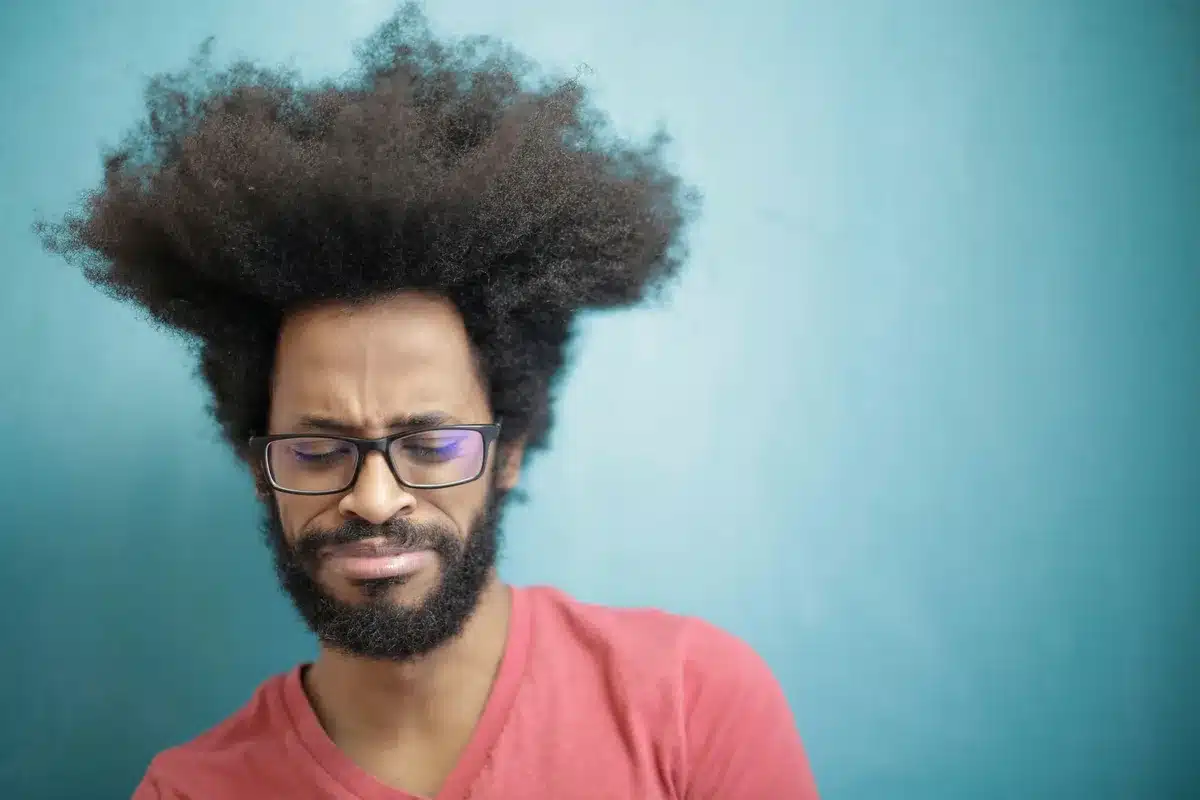
Short-term highs, long-term consequences
What feels electrifying can be addictive. When adrenaline substitutes for connection, emotional growth stalls. Patterns that begin as excitement can harden into cycles of mistrust, making it harder to form stable partnerships later. That’s why mental-health professionals emphasize awareness: identifying motives and recognizing avoidance are the first steps to change.
Practical steps to slow the descent
Stepping back doesn’t require drastic measures. Small shifts in behavior and mindset can reduce harm and restore agency.
- Pause before escalating: create a short waiting period before acting on intense attraction.
- Check motives: ask whether you want a person or the feeling they provoke.
- Limit external validators: use tools like AI or card readings as prompts, not final answers.
- Talk to someone impartial: a therapist or counselor can help map repeated patterns.
- Set clear boundaries: protect friendships and workplaces by naming limits early.
As dating continues to be shaped by algorithmic platforms and viral content, recognizing the difference between thrill-seeking and genuine compatibility matters more than ever. Slowing down, practicing self-awareness, and restoring trust in your own judgment reduce the risk of freefall—and increase the chances of building relationships that last.
Similar Posts
- Twin flame signs that signal trouble: meeting one could upend your life
- Old-school dating comeback: slow courtship and subtle cues reshape romance
- Emotional baggage is sabotaging your new relationship: experts share 4 steps to reset
- Dating preferences: study finds most people stick to one type
- Dating habit tearing relationships apart: what to change now

Miles Harper focuses on optimizing your daily life. He shares practical strategies to improve your time management, well-being, and consumption habits, turning your routine into lasting success.