
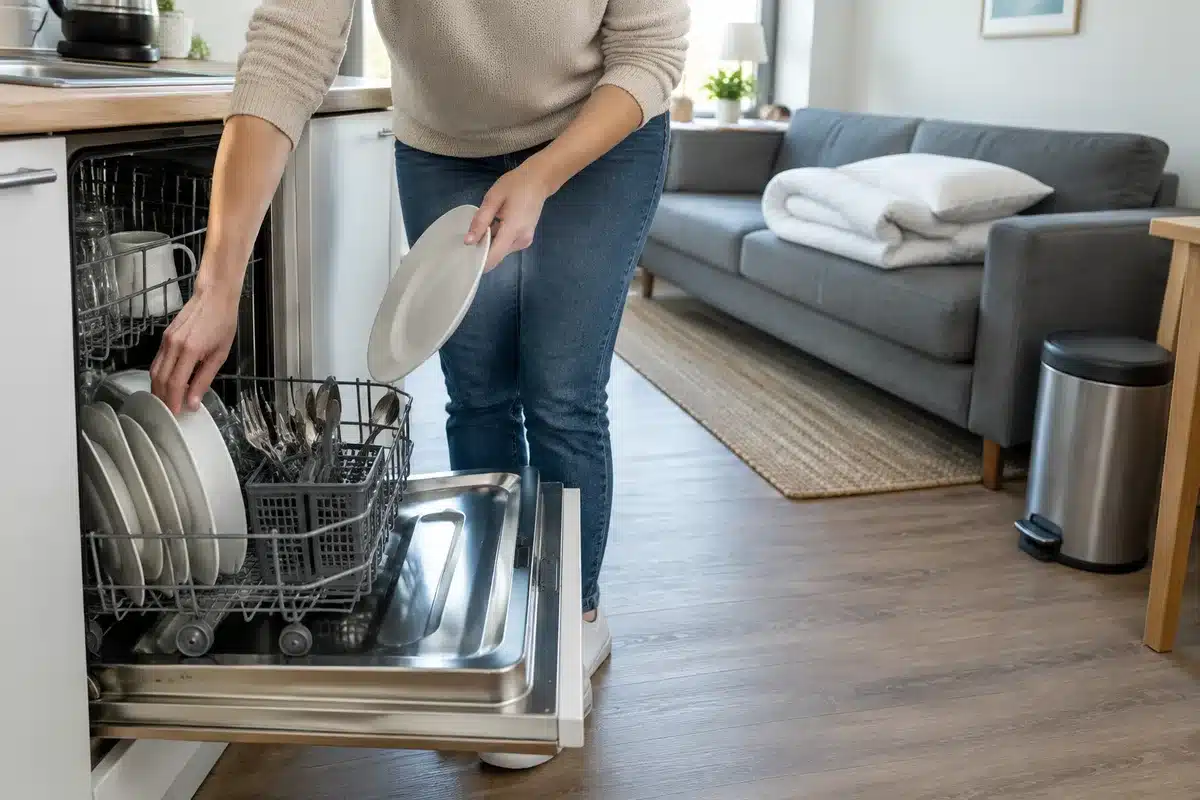
Airbnb says it will stop allowing hosts to require guests to perform cleaning tasks that are normally done by professional cleaners, a policy that takes effect on November 20. The change clarifies what hosts may ask of overnight visitors and aims to reduce surprise expectations at check-out — a shift that affects both travelers and short-term rental operators.
The new rule bars owners from assigning chores such as stripping beds, deep-cleaning bathrooms, or transporting trash off-site — duties the company says fall under the responsibility of paid cleaners. At the same time, Airbnb is explicit that some basic requests remain acceptable.
What the rule allows — and what it doesn’t
Airbnb’s guidance draws a clear line between routine, minor tasks and work that a hosted property should cover. Hosts may still make reasonable, limited requests, like asking guests to:

- place used dishes in the sink or dishwasher
- dispose of food in a trash bin on the property
- turn off lights or lock doors when leaving
But hosts can no longer require actions that replicate a cleaner’s job. Airbnb says its system will block listings from adding those prohibited chores to house rules, and hosts who ignore the rule face possible enforcement.
Prohibited chores include, by Airbnb’s description, tasks such as stripping bedding for laundering, intensive scrubbing of bathrooms or kitchens, and hauling waste away from the property for off-site disposal.
Enforcement and penalties
Airbnb will use automated checks to prevent hosts from publishing or updating rules that demand prohibited work. Violations can trigger account-level responses ranging from warnings to suspensions or removal from the platform.

That automated filtering and the promise of penalties are meant to make the policy practical to enforce, but experts say grey areas could persist — especially when house rules are informal or embedded in long check-out checklists.
Hosts have already voiced strong reactions online. Some posted petitions and complaints on social platforms arguing the change limits their ability to protect property standards. Others say it will force them to raise cleaning fees or hire more professional help.
Why this matters now
For travelers, the update reduces uncertainty: guests should no longer worry that a rented home will come with unpaid labor expectations. For hosts, the decision reallocates responsibility and may influence how they budget for cleaning or set nightly rates.
Industry observers note a broader context: short-term rentals increasingly resemble small hotels in the eyes of consumers, and policies like this push hosts to match guest expectations for a service-level experience rather than a cozier, do-it-yourself stay.
- For guests: clearer check-out expectations and fewer surprise demands to perform staff-level cleaning.
- For hosts: potential increased operating costs if professional cleaners must be hired more frequently or if cleaning fees are adjusted.
- For Airbnb: a tighter ruleset to protect guest experience and limit liability, balanced against enforcement challenges.
Airbnb CEO Brian Chesky has previously said people go on vacation to unwind, not to work through household chores — a rationale consistent with the platform’s new line. How hosts respond in pricing and rules will determine whether the policy simply clarifies standards or reshapes short-term rental economics in practice.
Practical takeaways: guests should read house rules and ask hosts in advance if unclear; hosts should review their listings to ensure compliance before the November changeover and consider how cleaning costs are reflected in their nightly rate or fee structure.
Similar Posts
- Husbands Step Up at Home: Discover the Surprising Reasons Behind the Change!
- Relationship red flags: therapists reveal seven signs you’re doing all the heavy lifting
- IRS audits could drop after budget cuts: some taxpayers still at risk
- Amazon’s Robot Revolution: 600,000 Jobs to Be Replaced by 2033
- Coffee left cold: what your habit reveals about your mind

Miles Harper focuses on optimizing your daily life. He shares practical strategies to improve your time management, well-being, and consumption habits, turning your routine into lasting success.