
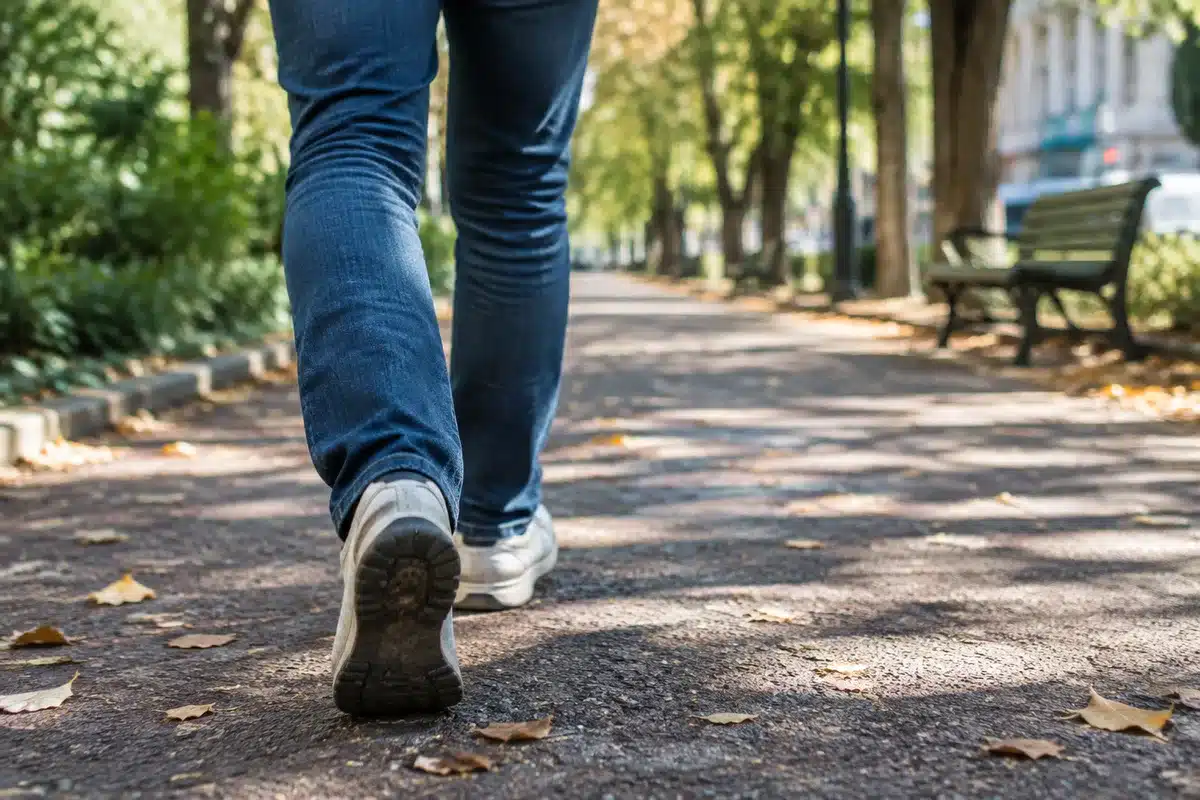
When your ideas stall, a short walk may be the fastest route back to creativity. New analyses and reporting show that stepping away from your desk can meaningfully increase your brain’s ability to generate novel options—an easy habit with immediate payoff for anyone juggling creative work or problem-solving today.
Recent coverage in The Washington Post summarized a body of research showing that moving on foot supports what psychologists call divergent thinking, the mental process behind brainstorming and fresh associations. A PLOS ONE meta-analysis led by McMaster University researcher Alex Thabane found walking reliably improves people’s ability to produce original ideas, even if it doesn’t replace the focused, analytical work needed to refine them.
What the science actually says
The benefit isn’t magical and it isn’t an all-purpose fix. Walking tends to boost idea generation—more variety, more unexpected links—rather than the careful judgment required to select and polish a single solution. In other words: walking helps you come up with options; sitting down helps you choose which one to use.

Context matters. One 2022 experiment showed that forcing participants to follow a strict, monotonous path inside a bland room reduced creative gains. Freedom and novelty appear to be part of the effect: when your body explores changing terrain, your mind is likelier to explore unfamiliar connections.
How walking seems to help the brain
Several physiological and sensory changes play a role. Moving increases circulation and oxygen delivery to the brain. Outdoor exposure alters input—light, sounds, and smells—that can jolt attention away from ruminative loops. Researchers also link walking to higher levels of brain-derived neurotrophic factor, a protein associated with neuroplasticity and learning.
Put together, these changes create a setting where associations form more freely and mental blocks loosen—helpful when you need fresh directions rather than precise outcomes.
- When to walk: If you’re stuck, fatigued, or brainstorming, step outside before you double down at the desk.
- How to walk: Favor short, undirected walks over rigid pacing. Novelty—different scenery or routes—appears beneficial.
- Duration: Even 10–20 minutes can help; longer walks may compound the effect but aren’t required to get a boost.
- Environment: Natural settings amplify benefits, but a varied urban route is better than staying indoors under artificial light.
- Safety and focus: Keep one eye on your surroundings—walks help ideas, not collisions.
For knowledge workers, creators, and teams, this matters because small habits scale. Encouraging brief outdoor movement during the day can raise the overall volume of ideas available for selection and execution, which is particularly relevant in hybrid work routines and heavy screen-time schedules.
There’s also historical company: thinkers from different eras prized movement. Albert Einstein, Virginia Woolf and many contemporary writers have relied on walks to clear their heads and surface new angles. The modern takeaway is simple—if you’re aiming for more original thinking, build movement into your process and make it intentional.
Step away, walk with curiosity, and return with more options—safely. The science suggests it may be one of the simplest productivity tools you already have underfoot.
Similar Posts
- Main character walks trend is helping people build confidence: how to try it today
- TikToker’s Prison Routine Goes Viral: You Won’t Believe Why People Are Jealous!
- Sex life boost: therapist-backed moves to try now
- Season preference predicts your personality: new study reveals what your choice says
- Beat Writer’s Block Forever: Proven Tips to Unleash Your Creativity!

Miles Harper focuses on optimizing your daily life. He shares practical strategies to improve your time management, well-being, and consumption habits, turning your routine into lasting success.