
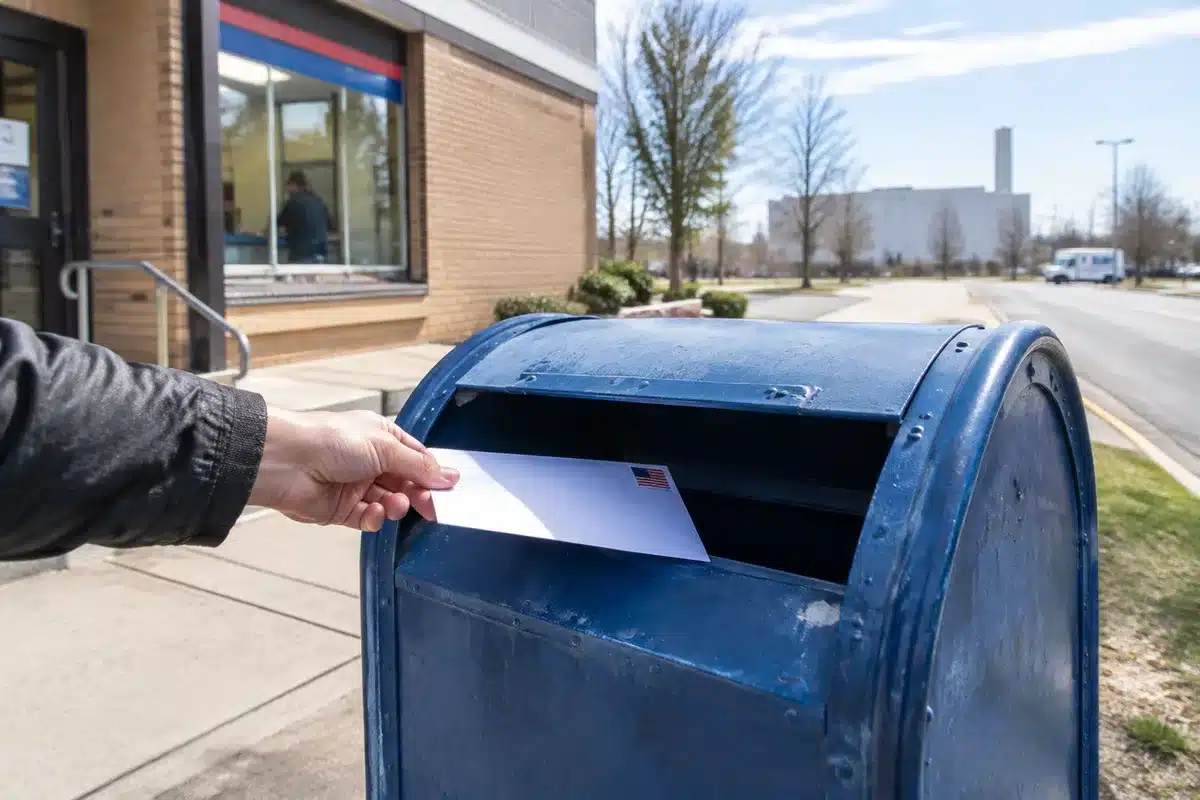
The U.S. Postal Service’s new postmark policy, finalized in December 2025, could widen the gap between when mail is dropped in a mailbox and when it’s officially stamped — a change that matters now as taxpayers face an Oct. 15 filing deadline and voters prepare for the Nov. 3 midterm elections. With states handling mail ballots differently and the IRS relying on postmarks to date returns, the shift could affect whether time-sensitive filings are accepted.
Why this matters today
The timing of a postmark can determine whether an extended federal tax return is accepted or a mailed ballot is counted. Because the Postal Service has altered pickup and processing practices, a piece of mail may not carry the mailing date until hours or even days after it was dropped off.
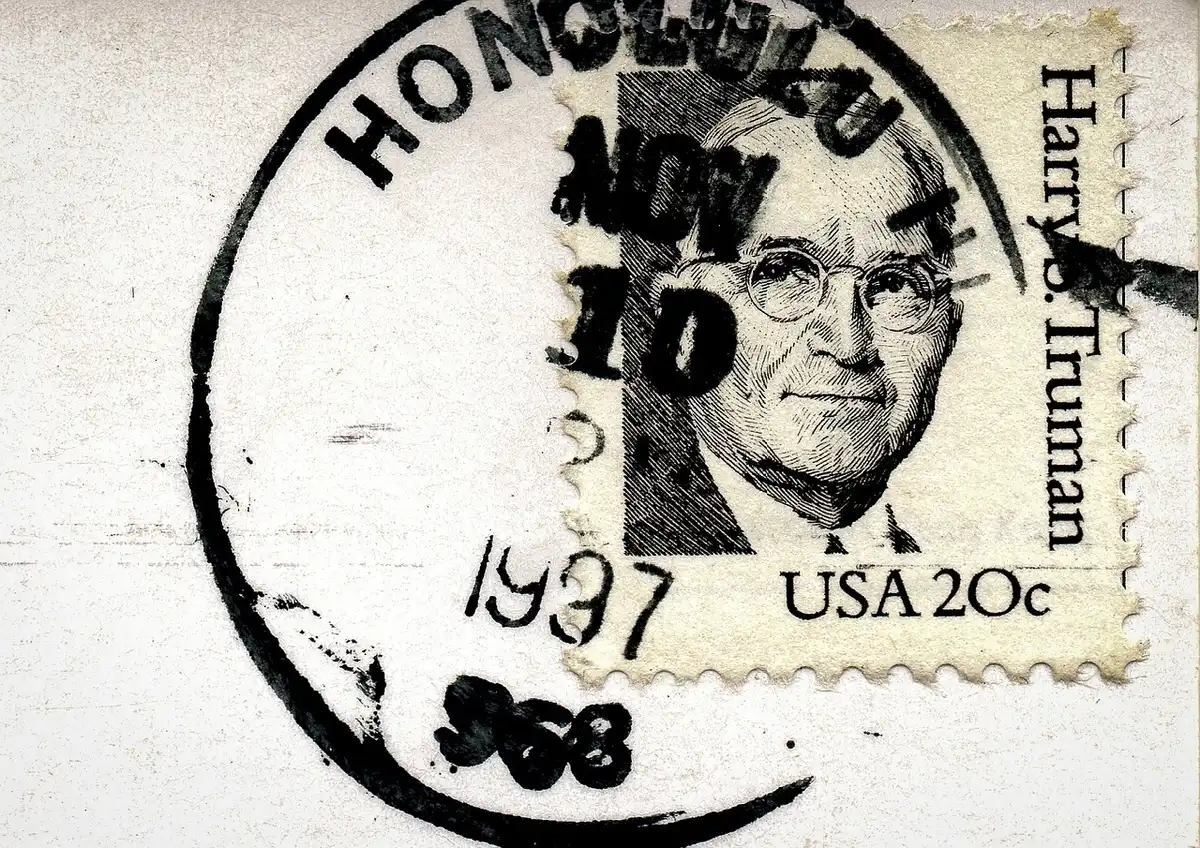
That distinction is critical in the coming weeks: taxpayers using the six-month extension have until Oct. 15, and millions of voters are preparing to submit ballots ahead of Election Day on Nov. 3.
How states treat mailed ballots
State rules vary. Most — about 35 states — require absentee and mail-in ballots to be received by election officials by the close of polls on Election Day. The remaining 15 states, plus several territories, permit ballots that are postmarked by Election Day to arrive afterward within a limited window.
That difference means a ballot postmarked late or not at all could be counted in one state and rejected in another, even if the voter dropped it into a mailbox on Election Day.
- Received by Election Day: 35 states require ballots to be in hand by poll close.
- Postmark accepted: 15 states and some territories allow ballots postmarked by Election Day to arrive later.
- Military/overseas voters: Many jurisdictions extend receipt windows for these ballots.
Recent data on mail-in ballot problems
During the 2024 election cycle nearly 48 million voters cast absentee ballots — a mix of mailed ballots, drop-box returns and in-person submissions — accounting for roughly 30% of all ballots cast, according to the U.S. Election Assistance Commission. Of mail-in ballots in 2024, about 1.2% were rejected.
Reasons for rejection included mismatched or incomplete signatures (about 40.7%), missing signatures (10%), and ballots arriving after a state’s deadline (roughly 17.8%). These figures underscore how procedural details, not just voter intent, can determine whether a vote counts.
What changed at the Postal Service
The Postal Service has been reorganizing operations for several years, with fewer daily pickups at some locations and longer transit times to regional sorting centers. The December 2025 rule formalized a practice in which mail may not be postmarked the same day it enters the network; processing and stamping can occur only after items reach a processing facility.
That means hand-dropping a ballot or a tax return into a blue collection box or leaving it in a lobby slot does not guarantee the date on the postmark will reflect that day. Ahead of weekends or holidays, delays can be longer.
Recognizing the election calendar, USPS said it will deploy “extraordinary measures” starting Oct. 24 to speed ballot delivery, and that beginning Oct. 26 postal workers will hand-postmark ballots delivered directly to local election offices or routed through postal hubs. These steps are intended to reduce late deliveries but do not ensure every ballot will meet a state’s deadline.
Practical steps for voters and taxpayers
Given the uncertainty, simple precautions can reduce the risk a ballot or tax return is treated as late.

- Mail ballots at least one week before your state’s deadline whenever possible.
- If your state accepts postmarks, go inside a post office and request a hand-applied postmark at the counter.
- Use drop boxes or return locations run by your local election office when available — these are often the safest option.
- Tax filers: e-file to avoid postmark issues; if mailing, ask for a manual postmark or send by certified mail.
- Keep records: photograph the ballot envelope or the receipt from certified mail as proof of attempted submission.
“State laws largely determine how ballots are handled, and each jurisdiction has chosen different rules,” said Katy Owens Hubler of the National Conference of State Legislatures. Election administrators also say the Postal Service’s special handling this month is above and beyond standard service, but it is not a substitute for mailing early.
Bottom line
With tight deadlines approaching, plan ahead. A postmark may no longer reflect when you actually handed something to the Postal Service, so voters and taxpayers should allow extra time and, when possible, use alternatives that provide clearer proof of timely submission.
Similar Posts
- Mailing tax returns late risks missed refunds and costly delays
- IRS Tax Refund Alert: Full Payment Schedule Released for February!
- IRS Confirms New Extension Deadline: Key Details for Eligible Taxpayers!
- Tax extension: file for free now to avoid April 15 penalties
- IRS Confirms: New Tax Extension Granted, But Only for Select States

Jordan Keller specializes in analyzing the US financial markets. With concrete recommendations, he helps you secure and boost your investments by providing strategies that adapt to market fluctuations.