

Recent federal rule changes and rapid shifts in the labor market are forcing many Americans to rethink a long-held assumption: that borrowing for college is a reliable path to financial progress. With new repayment rules, rising balances and AI reshaping entry-level hiring, millions of borrowers now face longer timelines, fewer protections and greater uncertainty about whether their degrees will pay off.
That combination matters today because policy and technology are changing faster than borrowers can plan for them — and the consequences touch housing, retirement savings and household stability across generations.
How big the problem has grown
Student borrowing has ballooned into a national-scale issue. More than 42 million people now carry federal education debt and the total outstanding balance has climbed past $1.7 trillion. Two decades ago there were roughly 28 million borrowers and about $516 billion in federal student loans.

- Total borrowers: ~42 million (federal)
- Total debt: > $1.7 trillion
- Average balance: about $40,768, up from $30,414 ten years earlier
- Borrowers owing >$100,000: about 3.8 million (average balance near $187,000 in 2026)
- Older borrowers: nearly 10 million people over age 50 now hold student debt
1) Tuition increases have outpaced earnings and inflation
College is far pricier than it used to be. Adjusted for inflation, the per-year tuition and fees at a private four-year college that averaged roughly $14,500 in the early 1970s had climbed to about $45,000 by 2025–26. When room and board are included, typical annual costs at private four-year institutions average more than $60,000, and some schools list annual price tags above $100,000.
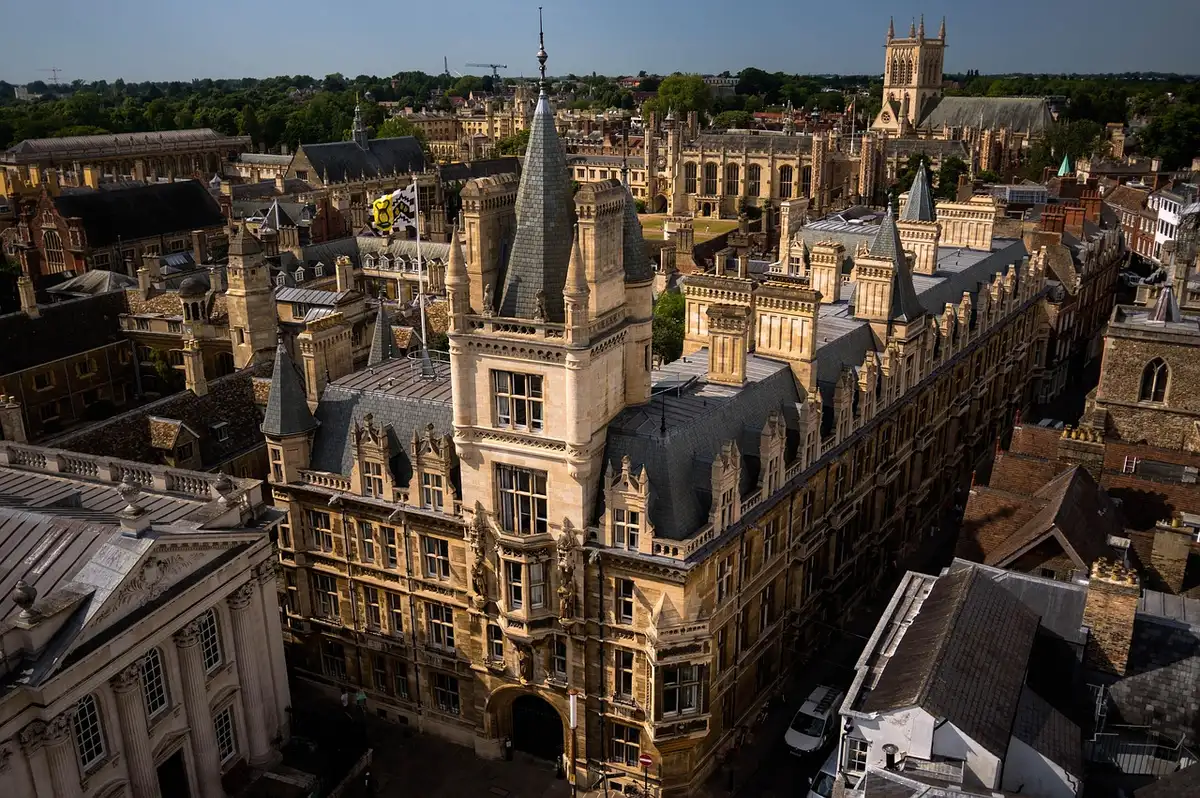
Analyses show tuition has risen faster than both consumer prices and wage growth for decades; over long stretches the increase has been in the mid-single-digit percentage range annually, creating a steadily widening affordability gap.
College administrators point to reduced state funding, lower enrollment and rising operational costs as drivers of higher tuition, which then shifts more of the burden onto students and families.
2) Many borrowers carry balances for decades
As sticker prices climbed, so did reliance on federal loans. The average outstanding balance across borrowers has grown, and a larger share owe six figures. That trend means paying down student debt can take much longer than expected — in some cases 20 to 30 years.
Long repayment horizons have practical consequences: delayed home purchases, interrupted retirement saving and fewer resources for emergencies. Experts warn that when education loans hang over household finances for decades, the label “good debt” becomes less convincing.
3) Recent policy changes have increased uncertainty
Federal rule revisions this year reshaped repayment options and safety nets for many borrowers. The new legislation commonly referred to as the OBBBA narrowed or removed several previously available relief tools, including unemployment and economic hardship deferments that let borrowers pause payments during financial shocks.
The overhaul also introduced a 30-year standard repayment option under a new Repayment Assistance Plan, extending timelines in ways that can increase total interest paid and magnify long-term risk.
Borrowers report confusion and stress as program rules and forgiveness calculations shift. For some public servants and nonprofit workers, the recalculation of qualifying payments under Public Service Loan Forgiveness has pushed the finish line further out — turning planned debt-free milestones into additional years of payments.
4) A degree no longer guarantees a smooth path to a well-paying job
For decades a college diploma reliably opened doors to higher earnings. That advantage still exists on average, but the margin is narrowing. Recent data show the employment and earnings edge for graduates has diminished, and the first-job experience for many degree holders does not always deliver financial stability.
At the same time, employers are rapidly adopting artificial intelligence in hiring, screening and even job workflows. That shift can reduce entry-level opportunities in certain fields and change the skills employers seek, complicating the return-on-investment calculation for students and families.
As a result, some students question whether the cost of a degree matches the career outcomes they can reasonably expect today.
What this means for borrowers and policymakers
There is a broad consensus among policymakers and analysts that borrowing for higher education still expands opportunity for many families. But the safety and clarity of the system are in question: when benefits, relief options and qualifying rules change frequently, borrowers face planning risks that can last decades.
- For current and prospective students: weigh program costs, likely earnings in your field and the flexibility of repayment options before taking on large balances.
- For older borrowers: extended repayment windows may increase interest costs and complicate retirement planning; review repayment terms and consult a counselor if eligibility for relief is unclear.
- For policymakers: instability in program rules reduces public confidence; reforms that simplify repayment and protect borrowers during unemployment or illness would affect millions.
As one former Education Department official observed, the core question may not be whether student loans are inherently “good” or “bad,” but whether the current systems for financing college are reliable and simple enough for families to use without taking outsized risks. In the near term, that reliability — or the lack of it — will determine whether higher education remains a dependable ladder to the middle class or a long-term financial burden for many.
Similar Posts
- Federal vs. Private Student Loans: Which is the Better Choice for You?
- Student Loan Pitfalls: Top 7 Disputes to Dodge This April!
- College costs squeeze family budgets: most parents still believe a degree pays off
- Student loan rates to climb for 2026-27: what borrowers need to know
- Biden Wipes Out Student Debt for 150,000: Find Out If You’re Affected

Jordan Keller specializes in analyzing the US financial markets. With concrete recommendations, he helps you secure and boost your investments by providing strategies that adapt to market fluctuations.