
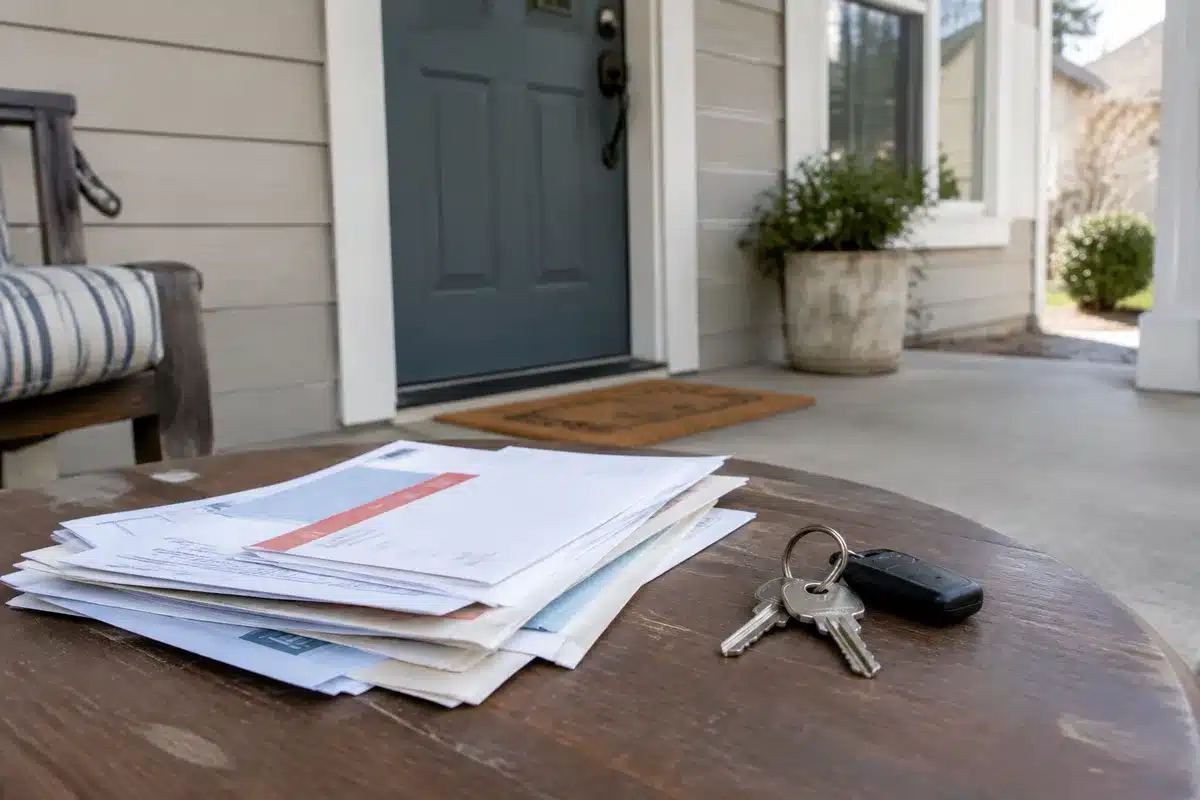
When Bryanna Hambrick bought a three-bedroom house in Columbus in 2022 she expected to trade rent for equity and more financial stability. Instead, a property tax reassessment, a higher-than-expected mortgage rate and surprise repairs pushed her monthly cost well above plan—and left her living paycheck to paycheck. Her experience is a reminder that loans often labeled “smart” can quickly become a strain.
How a sensible decision turned tight
Hambrick, 35, had intended her purchase to be a milestone toward building wealth. Closing costs wiped out much of her savings, and the combination of rising interest rates and a tax reassessment added roughly $200 a month to her payment. Unplanned maintenance has kept her from building the emergency cushion she expected.

Her situation is increasingly familiar as many borrowers confront interest-rate shifts and higher ownership costs. What feels like a rational, long-term investment at the outset can become a financial burden if key assumptions change.
Labels can mislead: the limits of “good debt”
Financial advisers commonly distinguish between mortgages and student loans—often called good debt—and high-interest credit-card balances or personal loans, tagged as bad debt. The shorthand is useful but incomplete.
Sheila Bair, who led the Federal Deposit Insurance Corporation during the financial crisis, cautions against taking the label at face value. She urges borrowers to approach debt with skepticism: debt reduces future financial flexibility, and marketing often understates the downside.
Whether a home loan is prudent depends on more than the interest rate. Price paid, loan structure, job stability and a borrower’s rainy-day funds all matter. Mortgage lenders approve loans based on what a borrower can repay, not on what fits comfortably within a personal budget—an important distinction when household income or local taxes shift.
Bair recommends planning to stay in a house for several years; transaction costs and short-term market swings can erase expected gains if you move too soon. History provides a sharp warning: when home values collapsed after 2006 and adjustable-rate loans reset higher, millions of borrowers lost homes to foreclosure.
When “investment” turns into financial risk
Beyond the technical factors—interest, term, amortization—psychology plays a large role. Brad Klontz, a financial psychologist and certified financial planner, says people often misjudge their motives and future income, or they borrow impulsively to support a lifestyle or status.

Klontz advises treating debt like a business decision. If a degree or a home is expected to deliver a return, map out realistic scenarios rather than assuming the best-case outcome. For education, check labor market data and expected salaries and calculate whether loan payments are sustainable relative to projected earnings.
Emotional borrowing—using loans to fund vacations, to impress others, or to chase a “dream” home beyond practical means—frequently leads to regret. Even careful savers can overreach by buying the largest house they can qualify for and underestimating ongoing costs such as maintenance, property taxes and insurance.
- How much would the monthly payment actually be after taxes and insurance?
- Do you have a three- to six-month emergency fund to cover job loss or major repairs?
- Will you realistically stay in the property long enough to offset transaction costs?
- Have you modeled conservative income scenarios and worst-case interest-rate moves?
- For education: what do job prospects and median salaries look like in your field?
- Is this purchase funding long-term wealth or a short-term lifestyle choice?
Answering these questions in advance helps shift the decision from hopeful to deliberate.
What borrowers can do now
Run your own affordability numbers rather than relying solely on lender pre-approvals. Build contingencies for property taxes, repairs and interest-rate volatility. Research realistic career payoffs for degrees before committing to loans. And treat large purchases as a long-term project, not an impulse.
Hambrick says she wishes she had focused less on finishes and more on costs. While her house has gained value, it hasn’t delivered the windfall she expected—and the stress of ongoing payments has changed how she sees the purchase.
Labels like “good” and “bad” debt are shorthand, not guarantees. For most people, the safer approach is to assume debt is a liability, test assumptions rigorously, and keep reserves in place so a reasonable future doesn’t become an unexpected crisis.
Similar Posts
- Home equity withdrawals hit $47 billion in Q1: what borrowers need to know
- Student loan rates to climb for 2026-27: what borrowers need to know
- Student loan interest discount announced for federal borrowers: who can get it
- Federal vs. Private Student Loans: Which is the Better Choice for You?
- Mortgage payments surge: fixed-rate borrowers hit with higher monthly bills

Jordan Keller specializes in analyzing the US financial markets. With concrete recommendations, he helps you secure and boost your investments by providing strategies that adapt to market fluctuations.