

U.S. inflation accelerated in September, driven largely by a jump in energy costs tied to the war in Iran, a shift that is tightening household budgets and raising the odds the Federal Reserve will tighten policy again. The increase in core inflation — which strips out food and energy — suggests price pressure is spreading beyond volatile categories.
Why this matters now
The Bureau of Labor Statistics reported consumer prices rose 3.7% year-over-year in September, up from 3.4% in August. Core CPI climbed to 2.6% from 2.4%, signaling that inflation is not just a temporary blip driven by fuel and food.
That combination matters because it influences borrowing costs, household purchasing power and the political climate as voters head into an election cycle. Rising yields on Treasury debt have already pushed mortgage, auto and other loan rates higher, amplifying the economic effect for ordinary consumers.
Energy’s outsized role
Economic forecasters point to the conflict in the Middle East as the immediate shock behind higher pump and heating costs. Disruptions around the Strait of Hormuz and damage to regional refining capacity pushed crude and refined fuel prices upward, and those increases have rippled through the economy.
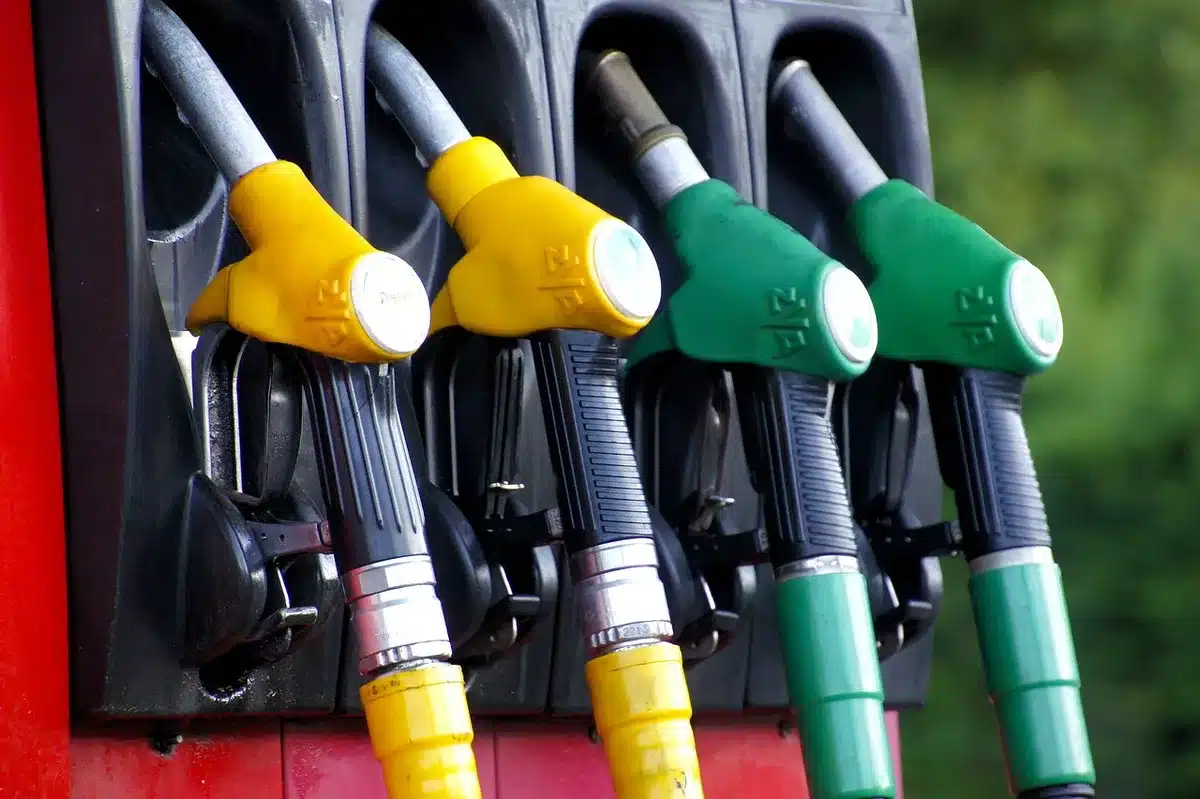
Key figures from the report and industry trackers:
- Gasoline prices jumped 9.1% in September and are about 34% higher than a year earlier.
- The national average price at the pump was roughly $4.33 per gallon, according to AAA data.
- Diesel — essential for trucking, rail and heating — averaged about $6.30 per gallon, roughly 68% above its level before the Iran conflict intensified.
Higher diesel has a broad effect because it raises the cost of moving goods, feeding into food, retail and industrial prices over time rather than instantly.
What this means for consumers and policy
Inflation running above the Federal Reserve’s roughly 2% objective for more than five years has put the central bank in a delicate position. Many economists now expect additional rate hikes between now and spring 2027 to bring price growth back toward target.

Moody’s chief economist Mark Zandi described the picture as worrying and said the geopolitical shock is clearly reflected in the data. Wells Fargo’s investment team similarly projected that persistent price pressure will keep upward pressure on rates into next year.
For households, the effects are concrete: mortgages, credit card rates and auto loans track benchmark borrowing costs, so any Fed action to tamp down inflation tends to raise monthly payments for borrowers.
Broader price pressures beyond fuel
Energy isn’t the only source of upward pressure. Tariffs and higher shipping costs have begun to show up in the price of imported consumer goods, particularly recreational items and toys, according to RBC economists.
The build-out of artificial intelligence data centers has tightened supplies for key computer chips, feeding into higher costs for electronics. Major tech companies have pointed to rising component prices in recent product pricing decisions.
Still, not all categories moved higher in September: grocery prices edged down 0.1% month-over-month, and beef prices fell about 1% — a shift analysts partly attribute to temporary changes in trade policy that eased some tariff pressures.
Sentiment and social programs
Consumer confidence gauges have weakened sharply. The University of Michigan’s sentiment index hit its second-lowest reading on record in September, reflecting growing unease about living costs across the political spectrum.
Meanwhile, the Social Security Administration announced a 3.6% cost-of-living adjustment for benefits in 2027, based on the CPI-W measure. Advocacy groups say that increase will not fully close the gap for many recipients; a recent AARP survey found a large majority view the adjustment as insufficient.
Key takeaways for readers
- Expect higher borrowing costs: More Fed tightening would translate into pricier mortgages, car loans and credit card rates.
- Watch energy markets: Fuel and diesel trends will continue to shape inflation readings over the coming months.
- Plan for slower retail discounts: Retailers may offer smaller promotions this holiday season if wholesale costs remain elevated.
- Pay attention to wages and sentiment: Falling consumer confidence can dampen spending even if headline inflation stabilizes.
For now, economists say the near-term picture hinges on energy supplies and whether refinery and distribution disruptions ease. If those constraints persist, inflation may stay above the Fed’s comfort zone longer, prolonging the cycle of higher rates and tighter household budgets.
Similar Posts
- August 2026 inflation hits households: chart reveals biggest price jumps
- April 2026 inflation: what rose and what fell in a single chart
- Social Security 2027 cost-of-living boost could jump as oil prices surge
- March 2026 inflation: see which prices jumped and which fell in one chart
- February 2026 inflation: chart shows which costs soared and where relief arrived

Jordan Keller specializes in analyzing the US financial markets. With concrete recommendations, he helps you secure and boost your investments by providing strategies that adapt to market fluctuations.