

Race organizers at the Tour de France Femmes have begun inspecting riders’ clothing after reports that some competitors may be using extra bra padding to smooth airflow — a tweak that could shave precious seconds off time-trial performances. The checks come as teams and officials work to keep one of cycling’s oldest gamesmanship debates from deciding outcomes in a race measured in fractions of a second.
Why clothing checks matter now
The sport’s governing body, the UCI, prohibits nonessential items that change a rider’s silhouette to improve performance. In a multistage event covering roughly 730 miles, tiny gains rack up: an aerodynamic edge on a 21-kilometer individual time trial can translate into decisive margins across the overall standings.
Chest fairings and other shape-altering solutions are not new to cycling; both men’s and women’s teams have experimented with creative ways to cut drag for years. What has drawn fresh attention is a report from Dutch outlet Wielerflits alleging riders might be using unusually thick bra padding to create a smoother front profile.
What officials are checking — and how
Teams reportedly asked for female race officials to be present during apparel inspections, to ensure checks are respectful and thorough. Organizers say the focus is whether garments or accessories constitute a deliberate, concealed attempt to improve speed rather than serving a legitimate clothing or safety purpose.
- Items under scrutiny: extra chest padding, internal fairings, or anything taped or sewn into jerseys that alters the rider’s shape.
- Why it matters: smoother airflow over the chest can reduce aerodynamic drag and improve time-trial outputs.
- Inspection process: visual checks and, where appropriate, more detailed examination by designated race officials of the clothing riders wear to the start.
- Possible outcomes: if officials determine equipment breaches rules, it could trigger warnings, removal of the item, or further disciplinary measures under UCI regulations.
From ice socks to chest fairings: a long-running chase
Teams have long sought marginal gains through clothing and cooling innovations — think socks filled with ice to chill a rider while smoothing the jersey, or molded fairings behind the bib to tame airflow. Those practices form a gray area between legal ingenuity and rule-breaking, and they have repeatedly forced the UCI to clarify what’s permitted.
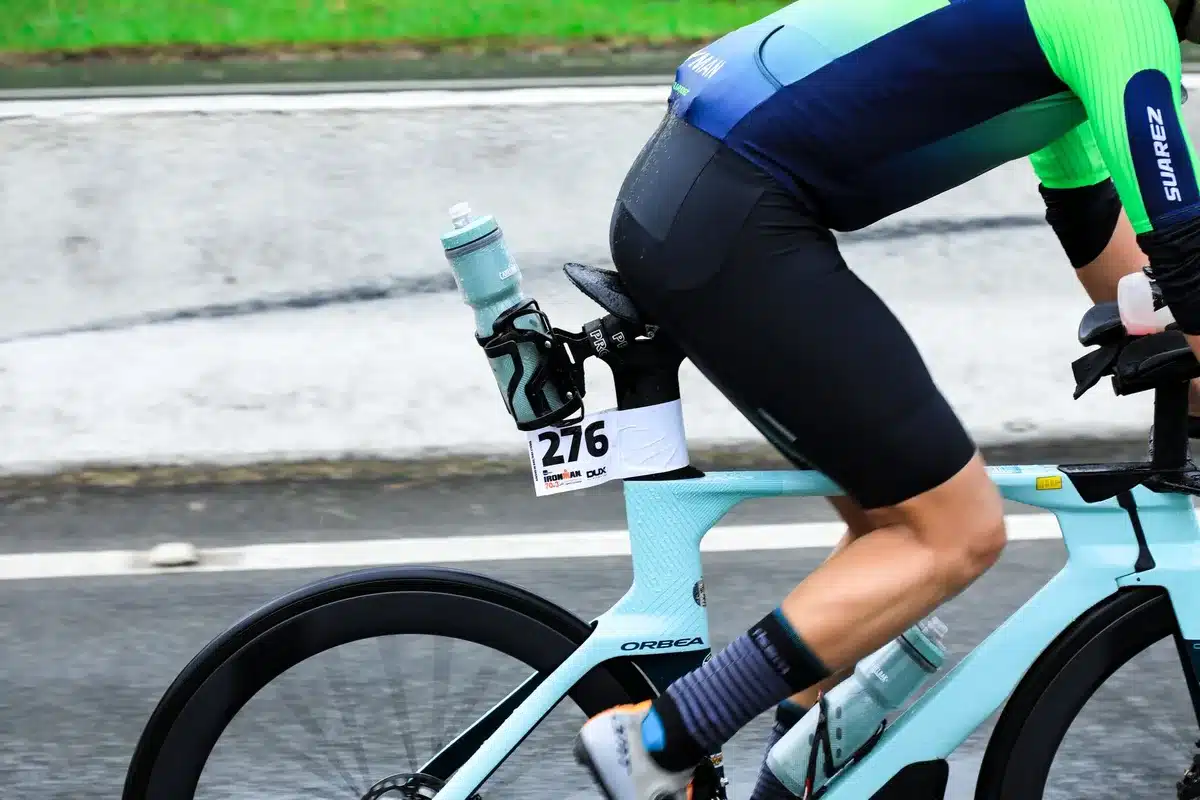
Inspecting personal garments represents a sensitive enforcement step. Riders and teams argue many comfort items serve legitimate purposes, while officials must guard the competition’s integrity without intruding unnecessarily on athletes.
The episode is another example of the cat-and-mouse dynamic in elite cycling: as technology and small-scale modifications evolve, so do efforts to police them. Fans and rivals alike watch closely whenever a subtle tweak—visible or hidden—appears to influence results.
What to watch next
Expect organizers and the UCI to publish follow-up statements if inspections find widespread issues. For competitors, the immediate consequence is a tighter pre-race scrutiny; for spectators, it’s a reminder that in top-level cycling, ingenuity can be as consequential as physical form.
Officials, teams and broadcasters will likely be monitoring the upcoming time trial times for anomalies and any official rulings that could affect stage results or the general classification. How strictly the UCI enforces the rules in this instance may set the tone for equipment oversight across future races.
Similar Posts
- Mall contest prompts toilet-drinking stunt as contestants vie for cash
- Multivitamin use linked to surprising shift in biological age
- Sleep apnea: new treatment could sideline CPAP for millions
- Dinoconda 4D coaster claims speed crown: riders left shaken and screaming
- Men Twice As Likely to Suffer Fatal Consequences From Broken Heart Syndrome: Study Reveals

Miles Harper focuses on optimizing your daily life. He shares practical strategies to improve your time management, well-being, and consumption habits, turning your routine into lasting success.