
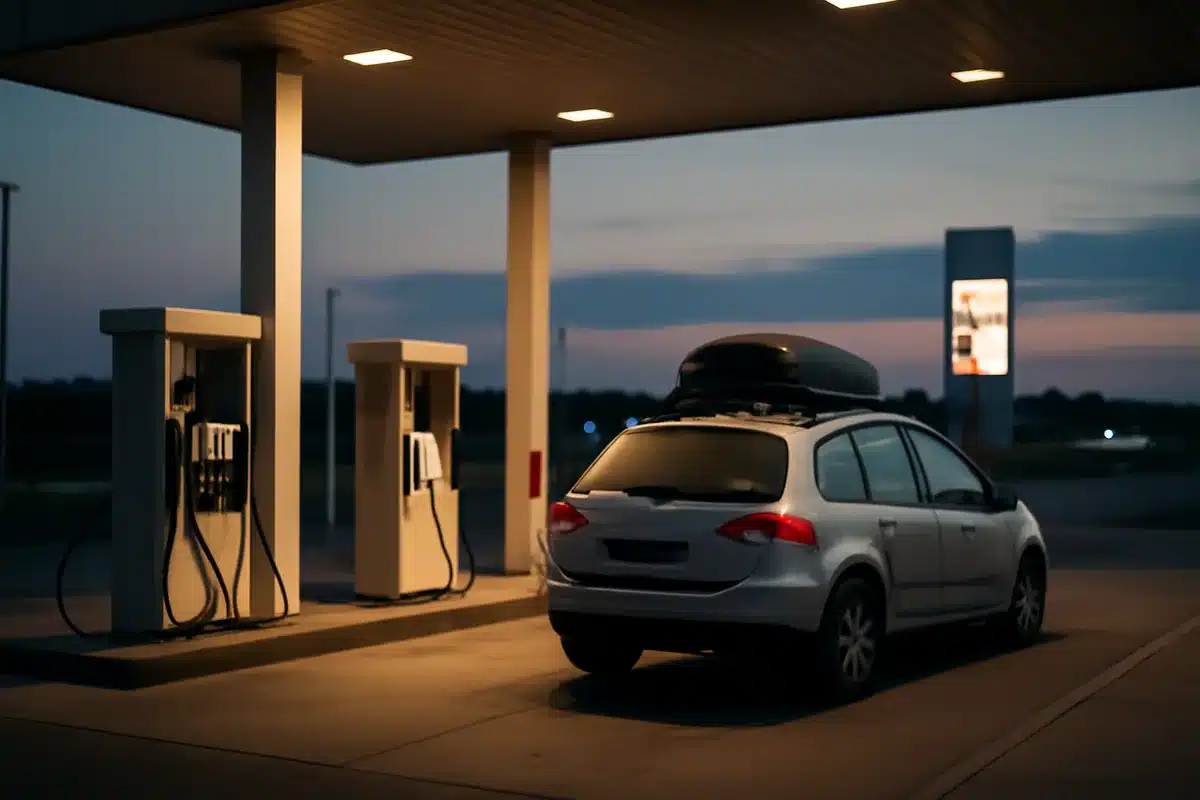
Drivers heading out for Labor Day are paying more at the pump than they ever have for the holiday, with the national average topping $4 a gallon and ripple effects for road-trip budgets. Higher crude prices and disrupted supply chains mean this year’s holiday travel will cost more for many motorists, even as regulators move to ease the squeeze.
AAA reported the national average for a gallon of regular unleaded reached about $4.15 on Monday, marking a holiday high. That level tops the previous Labor Day peak and is roughly 30% above what drivers paid a year ago.
How we got here
Global oil markets have tightened since late winter, pushing benchmark prices up. As of Monday morning, West Texas Intermediate futures were trading near $92 a barrel and Brent around $97 — both considerably higher than pre-conflict levels earlier this year.
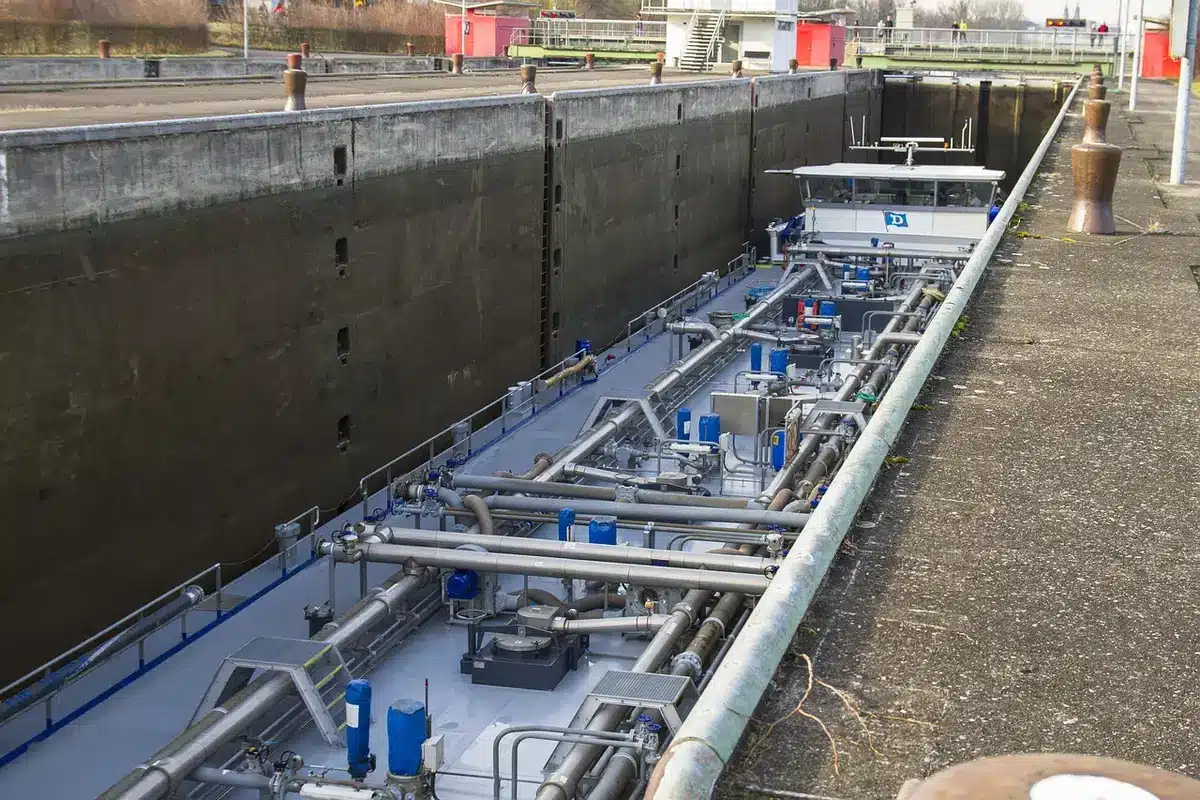
Analysts point to multiple supply-side pressures: tanker traffic slowed near the Strait of Hormuz, some refineries have been forced offline amid conflicts in the Middle East and Russia, and inventories of finished gasoline remain below seasonal averages. The U.S. Energy Information Administration reported that flows through the strait fell sharply in the second quarter, and U.S. gasoline stocks were about 6% below their five-year average for the week ending Aug. 28.
“Demand typically cools after summer, which should bring pump prices down, but higher crude costs this year have blunted that seasonal drop,” said Brittany Moye, a spokesperson for AAA.
Numbers that matter
| Measure | Latest | Year-ago |
|---|---|---|
| National average (regular unleaded) | $4.15/gal | ~$3.20/gal |
| Diesel | $5.90/gal | $3.71/gal |
| West Texas Intermediate | ~$92/barrel | ~$67/barrel (pre-conflict) |
| Brent crude | ~$97/barrel | ~$72/barrel (pre-conflict) |
| Strait of Hormuz transit (Q2) | 4.9 million b/d | 21.6 million b/d (Q4 2025) |
What this means for travelers
Expect higher costs for long drives and fuel-heavy rentals. Rental-car company data have flagged Labor Day as one of the busiest travel weekends, so even modest increases per gallon add up on multi-day trips.
- Immediate impact: Higher per-gallon costs for both gasoline and diesel raise operating expenses for road trips, deliveries and rideshares.
- Near-term outlook: Prices could ease if winter-grade fuel enters the market earlier and crude markets calm, but major supply disruptions would reverse those gains.
- Watch for: Developments that restore tanker traffic through the Gulf and any announcements about refinery operations or strategic releases of fuel stockpiles.
Some relief may arrive soon. Regulators moved to allow the sale of winter-blend gas earlier than usual this year — beginning Sept. 1 instead of the mid-September switch — a step meant to expand supply and lower costs at the pump. Winter-grade gasoline generally costs less to produce than the more tightly regulated summer blends.
Still, experts caution that those gains could be modest while crude remains elevated. “Refinery outages and constrained crude flows have tightened markets, so a shift to cheaper blends will help but won’t fully counteract higher oil prices,” said Andy Lipow, president of Lipow Oil Associates, a Houston-based refinery consultancy.
The market is watching closely for any diplomatic or military developments that would reopen shipping lanes and boost crude flows. Until then, motorists should budget for pricier fuel over the holiday and in the weeks that follow.
Similar Posts
- April 2026 inflation: what rose and what fell in a single chart
- Oil prices spike after Iran conflict: consumers could face steep fuel bills, economist warns
- Iran war drives up living costs: Fed unlikely to step in to ease squeeze, analyst says
- March 2026 inflation: see which prices jumped and which fell in one chart
- Gas prices could fall soon if ceasefire holds: experts expect gradual relief at the pumps

Jordan Keller specializes in analyzing the US financial markets. With concrete recommendations, he helps you secure and boost your investments by providing strategies that adapt to market fluctuations.