

A high-value burglary at one of Tuscany’s most historic wine producers has left the cellar stripped of roughly 30,000 bottles — an estimated loss of about €5 million — and exposed fresh security questions across Italy’s winemaking sector. The heist, carried out on Oct. 2 near Cortona, matters now because the stolen stock was primed for export and the scale of the operation is unprecedented in the country.
Local authorities say at least seven masked individuals executed a carefully planned raid on a Marchesi Antinori storage site, loading two large trucks and using the estate’s own forklifts to move cases during a three-hour window. Investigators report that alarms were neutralized and surveillance cameras were disabled before the removal of a selection of bottles from the 2023 vintage.
How the theft unfolded
The suspects arrived with vehicles large enough to carry the haul and left with the winery’s equipment in tow — suggesting familiarity with the site and its handling procedures. Officials are probing whether the timing and precision point to insider knowledge or an organized group that has targeted other producers.
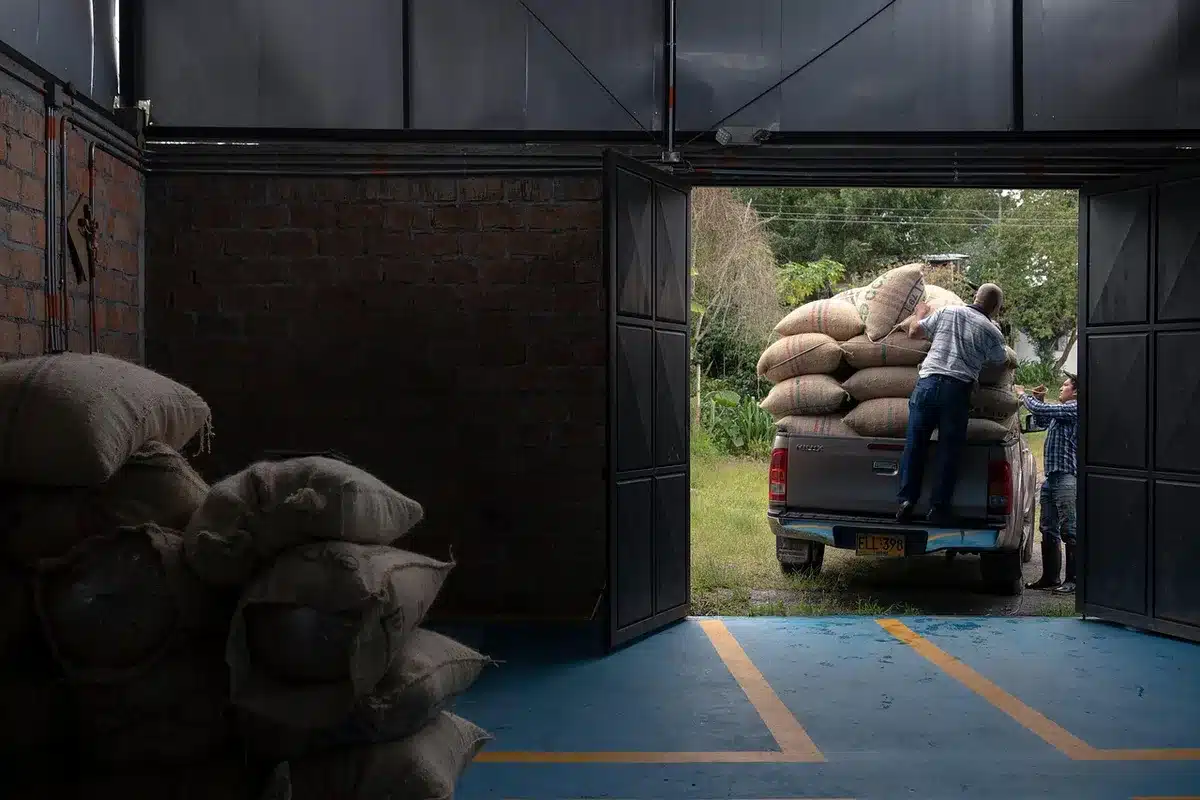
Marchesi Antinori, a family-run label that traces its lineage back to 1385 and is now led by the company’s 26th generation, confirmed the loss. Company representatives say shipments of this size are rare, scheduled only a couple of times a year, which may explain why the stock was concentrated and vulnerable at that moment.
While the firm holds insurance, spokespeople note a significant shortfall in coverage: available policy limits would cover only a fraction of the estimated value. That gap increases the financial strain and raises questions about how wineries should insure and protect high-value inventories destined for export.
- Date: Oct. 2
- Location: Cellar near Cortona, Tuscany
- Target: Marchesi Antinori storage facility
- Scale: Approximately 30,000 bottles, mainly 2023 vintage
- Estimated value: ~€5 million
- Method: Alarms and cameras disabled; two trucks loaded using estate forklifts; operation lasted about three hours
- Possible motives: Organized criminal group; potential insider collusion under investigation
Why this is a bigger problem than a single theft
High-profile wine thefts can ripple through the trade. Stolen cases, particularly from a renowned house, are difficult to move on legitimate secondary markets without attracting scrutiny. That complicates recovery efforts but also creates incentives for illicit distribution channels, forgery and laundering of provenance records.

Producers, insurers and shippers now face pressure to reassess security and logistics practices. For wineries shipping limited vintages infrequently, concentrated inventories present a tempting target; insurers may react by tightening terms or raising premiums. Retailers and collectors should be wary of offers that seem too good to be true and demand verifiable chain-of-custody documentation.
Investigative questions and industry response
Police have opened a detailed inquiry and are coordinating with customs and market-monitoring bodies to track suspicious sales. Investigators are expected to examine worker access records, loading schedules and surveillance data from surrounding roads and checkpoints.
Industry observers say the incident could prompt broader investments in layered security — from hardened alarms and remote camera redundancies to stricter controls over who can operate heavy equipment during loading. For smaller producers, however, those measures can be costly and may require new forms of shared risk management across regions.
The full list of stolen labels has not been released publicly, and officials caution that attempts to fence high-profile vintages are likely to draw law enforcement attention. Still, the loss is a stark reminder that even well-established estates are vulnerable when valuable stock is concentrated and movement is predictable.
Authorities continue to pursue leads. For now, the case is both a localized criminal investigation and a warning shot to a global industry built on provenance, scarcity and trust.
Similar Posts
- $400K in Live Lobsters Stolen on Way to Costco: Thieves Crack the Case!
- Virginia law could bankrupt decades-old mountain wineries
- Investors ride Iran war oil rally: staying long could become riskier
- Pilbara high-grade iron deposit confirmed: 55 billion tons worth $6.52 trillion
- Wealth management firms fight to win ultra-wealthy clients: what it means for ordinary investors

Miles Harper focuses on optimizing your daily life. He shares practical strategies to improve your time management, well-being, and consumption habits, turning your routine into lasting success.