
A bipartisan group of lawmakers plans to reintroduce legislation this Thursday aimed at overhauling Supplemental Security Income, the decades-old federal safety net that millions rely on for basic living costs. Backers say the update would raise benefit levels, relax strict asset and income rules and extend coverage to U.S. territories — changes proponents argue are urgently needed as costs rise and poverty persists among recipients.
Created in 1972, Supplemental Security Income (SSI) provides monthly payments to low-income seniors, people with disabilities and blind individuals. Roughly 7.4 million Americans currently receive SSI, a share of the population that research shows faces poverty rates well above the national average.
Key provisions lawmakers are pushing
The draft, called the Supplemental Security Income Restoration Act, proposes multiple updates supporters say would make the program more humane and functional for people who cannot work full time. Highlights include:
- Raise benefit levels to the full federal poverty level, rather than the lower set of payments many beneficiaries receive today.
- Increase the earned income exclusion — the amount of monthly earnings that do not count against SSI — from the long-standing $65 to $512 per month.
- Raise resource limits for countable assets from $2,000 (individuals) and $3,000 (couples) to $10,000 and $20,000, respectively — letting recipients build modest emergency savings.
- Index thresholds to inflation so limits adjust automatically each year.
- Eliminate marriage-related reductions so couples receive twice the individual rate, and remove penalties for in-kind support such as food or shelter from family or friends.
- Extend SSI eligibility to residents of U.S. territories including Puerto Rico, Guam, American Samoa and the U.S. Virgin Islands.
All dollar thresholds in the proposal would be adjusted annually for inflation, a change advocates say would prevent the program from losing value over time.
Why advocates say the overhaul matters now
Analysts at the Roosevelt Institute find that SSI recipients are disproportionately poor, with especially high rates of deep poverty among children, people of color and residents of the South. The Social Security Administration reports that in 2026 the maximum SSI payments are $994 monthly for individuals and $1,491 for eligible couples — levels that many experts say are insufficient to cover basic needs.
“The program is outdated and leaves people living on the margins,” said Stephen Nuñez of the Roosevelt Institute, describing many recipients as having severe disabilities that limit employment. Advocates argue the proposed changes would reduce poverty among beneficiaries and let people afford basic stability rather than subsist on minimal benefits.
Support, politics and the price tag
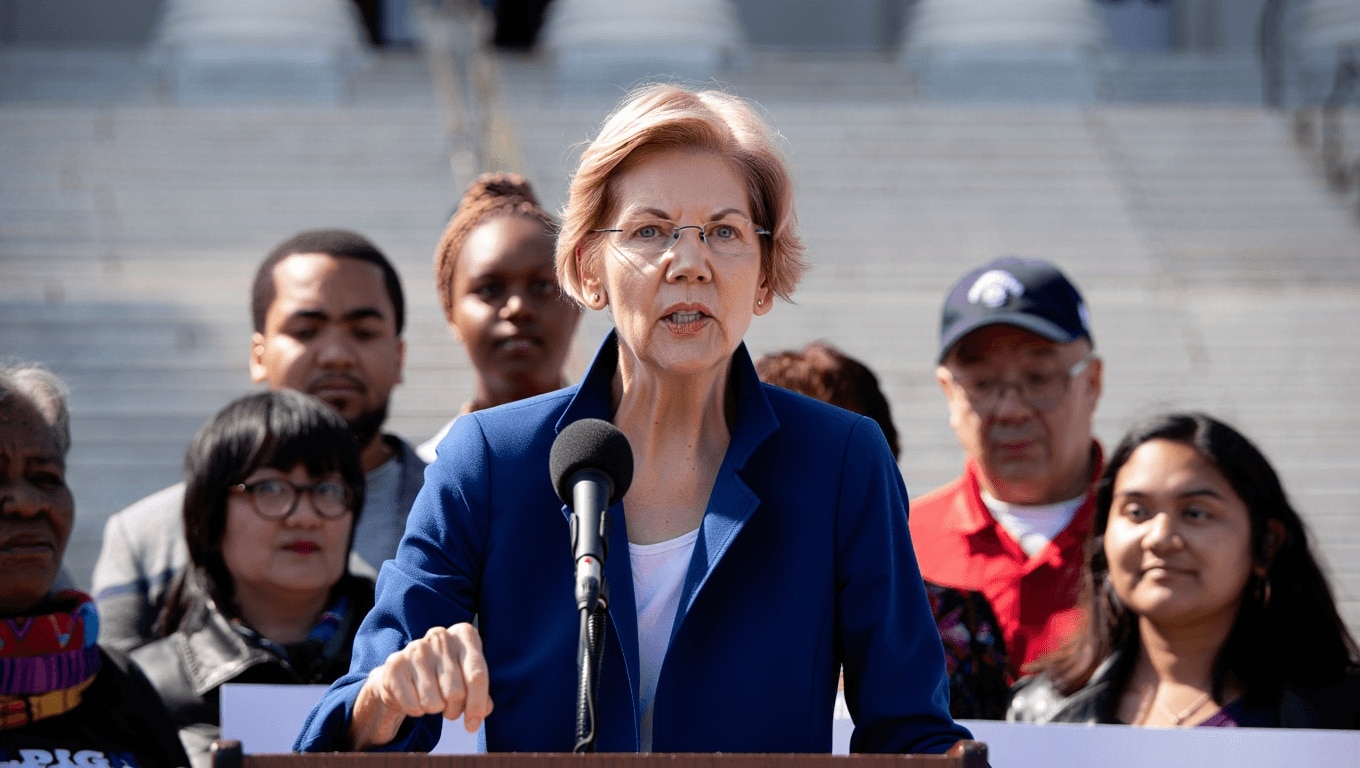
The reintroduced bill has roughly 30 sponsors in both chambers, mostly Democrats, with a small number of Republicans and independents joining the effort. Sen. Elizabeth Warren of Massachusetts is a leading sponsor in the Senate; other backers include Representatives Adelita Grijalva (D-Ariz.) and Jan Schakowsky (D-Ill.), Independent Sen. Bernie Sanders (Vt.) and Republican Rep. James Moylan of Guam, who has emphasized the measure’s territorial equity.
Despite the bipartisan label, cost remains the central obstacle. Using the 2024 draft as a baseline, the Roosevelt Institute estimated comprehensive reform would cost about $61 billion a year — a figure opponents say is a major barrier to passage. Less expansive options, such as boosting benefit amounts alone, were pegged at roughly $33.8 billion annually by the same analysts.
Past versions of the legislation stalled in committee. Lawmakers would need to reconcile competing budget priorities and secure scoring from budget offices before the plan could advance; the Congressional Budget Office has not yet released a cost estimate for the newest iteration.
Some policy analysts from outside the bill’s progressive base have argued SSI reform is an efficient way to fight poverty among older Americans and people with disabilities, potentially simplifying later debates over retirement policy.
Voices on the ground
Advocates stress that updating SSI is about preventing hardship for people who have limited work capacity. Tracey Gronniger of Justice in Aging warned that leaving the program untouched effectively abandons seniors and people with disabilities to poverty, and that inaction is a policy choice with real consequences.
Rep. Moylan framed territorial inclusion as a fairness issue, saying residents of Guam and other territories deserve the same basic protections as mainland communities.
What to watch next
The immediate steps will be procedural: reintroduction on the House and Senate floors, referrals to relevant committees and requests for budget scoring. Expect debates to center on trade-offs between the program’s cost and the depth of benefit increases. Any move forward will likely involve negotiation over which provisions to include and how to pay for them.
For recipients and advocates, the bill represents the most significant effort in decades to modernize a program many describe as overdue for reform. Whether Congress acts will hinge on political willingness to fund those changes and on how lawmakers choose to balance fiscal constraints with the stated goal of reducing poverty among the most vulnerable Americans.
Similar Posts
- Get $1,751 Next Week: See If You Qualify in This State!
- SNAP Overhaul in May: Which Families Will Struggle to Receive Benefits?
- CalFresh April Update: All Upcoming Payment Dates for Your Account!
- $1,751 Cash Boost in Your State: Check Eligibility and Payment Dates Now!
- June Boost for Retirees: Two Groups to Receive Bigger Checks!

Jordan Keller specializes in analyzing the US financial markets. With concrete recommendations, he helps you secure and boost your investments by providing strategies that adapt to market fluctuations.