
At 36, I should not know who Clavicular is. Yet the internet I grew up with — messy, ad-light and oddly private — has been replaced by a data-hungry landscape where niche performers and investment-obsessed teens share the same feeds. That shift matters because it changes what we pay attention to and how we talk about the world.
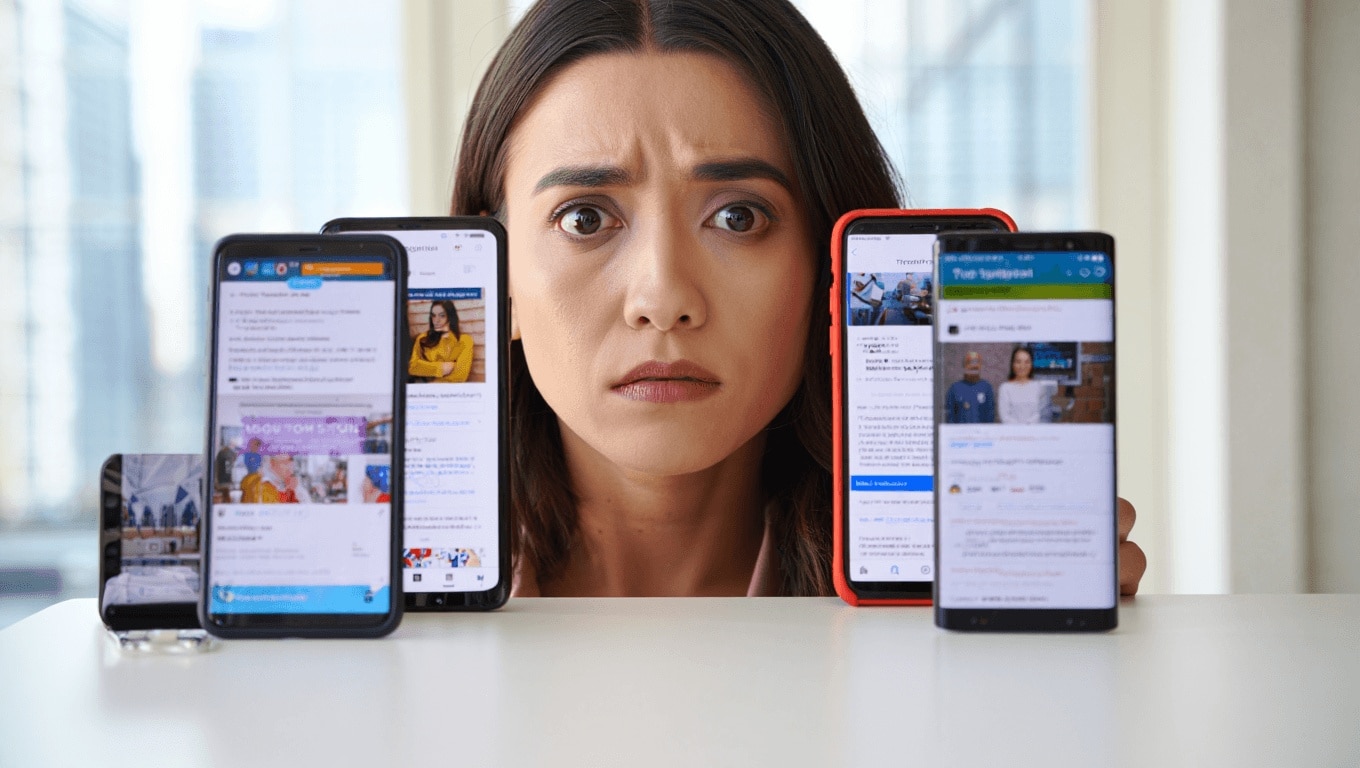
I didn’t set out to become conversant in post-9/11 streamer culture, but here I am: an adult who spends evenings holding a phone above my face, watching a young influencer named Gymskin perform for likes and algorithmic favor. It feels stupid and a little unsettling, and that feeling will be familiar to anyone who’s seen their leisure time colonized by quieter but more pervasive online habits.
Why a “slang amnesty” now?
Language is a social signal, and online slang ages faster than fashion. VICE compiled a “slang amnesty” aimed at people who want to avoid sounding unintentionally out of touch. The point isn’t to police speech but to note when a word has shifted from playful to performative — especially when that performance comes from people decades younger.
One example singled out in the guide is the term “ate”. Once a campy appropriation of queer vernacular used playfully in youth culture, it now reads, for some speakers, like an attempt to recapture a vanished cultural moment. The piece suggests that certain tropes of mimicry lose their charm with age — and that a little self-awareness about what we say can go a long way.
- ate — flagged as a youthful appropriation that can feel strained coming from older speakers.
- slay — once celebratory, now often sounds performative or ironic in older mouths.
- chopped — slang tied to specific subcultures that may not travel well across generations.
- delulu — shorthand for delusional fandom; concise but jarring if overused outside younger networks.
- aura — a trendy descriptor for vibe or presence; increasingly marked as youthful jargon.
The Polymarket bar and the business of monitoring events
In a separate members-only dispatch, reporter Nick Dove followed an unusual opening night in Washington, D.C.: Polymarket’s new concept bar, the Situation Room. Polymarket operates a crypto-based prediction market that lets users trade on outcomes ranging from elections to geopolitical events. The company recently made headlines after a customer received close to $1 million from a correct market bet that some observers say suggested inside knowledge of possible U.S. military action in Iran.
Dove’s reporting explores why a platform built on “monitoring” real-world events would want a physical space in the nation’s capital. For Polymarket executives, the venue is a way to embed the business in D.C. conversation — a social hub for people who already watch screens, follow live trackers, and place bets around unfolding news.
Polymarket’s legal chief framed the launch as a milestone in bringing prediction markets into mainstream civic discussion. Critics see a sharper edge: when speculation on war, disease, or diplomatic moves becomes entertainment and profit, it raises ethical questions about commodifying real-world harms.
That tension was visible on opening night. The bar drew a crowd that combined genuine curiosity about the technology with the performative energy of people who treat portfolios like identity markers. In that setting, casual drinking and casual wagering can blur into a culture that treats grave events as market data rather than lived consequences.
What to watch going forward
The trend matters because it points to two converging shifts: the privatization and monetization of attention, and the normalization of treating high-stakes developments as tradable assets. Both influence public conversation and can change incentives for how people interpret and amplify news.
- Regulatory risk: prediction markets trading on conflict or public health may attract closer scrutiny from regulators.
- Information integrity: markets that prize speed and profit can create incentives to prioritize rumor over verification.
- Civic norms: making bets out of events involving loss of life or destabilizing politics poses ethical and social questions.
Language and leisure have both been reshaped by platforms that monetize attention and taste. Whether it’s deciding whether to keep tossing around words that once felt fresh or worrying about a bar where people swap bets on disasters, these changes are real and immediate. They affect how we communicate, what we value in public life, and how quickly cultural markers move from edgy to awkward.
Emma Garland
Deputy Editor, VICE
Similar Posts
- Gen Z shuns everyday words as cringe: the terms falling out of favor
- London Vice screening offers first look at brutal fighting documentary
- Reptile smuggling guide from VICE sparks debate: Nadia Lee Cohen and Charlie Denis respond
- Tax Amnesty Alert: Slash Your Debt This Fall Before November 17!
- Clown Cult Craze: Can This Bizarre Movement Make Clowns Sexy?

Miles Harper focuses on optimizing your daily life. He shares practical strategies to improve your time management, well-being, and consumption habits, turning your routine into lasting success.