
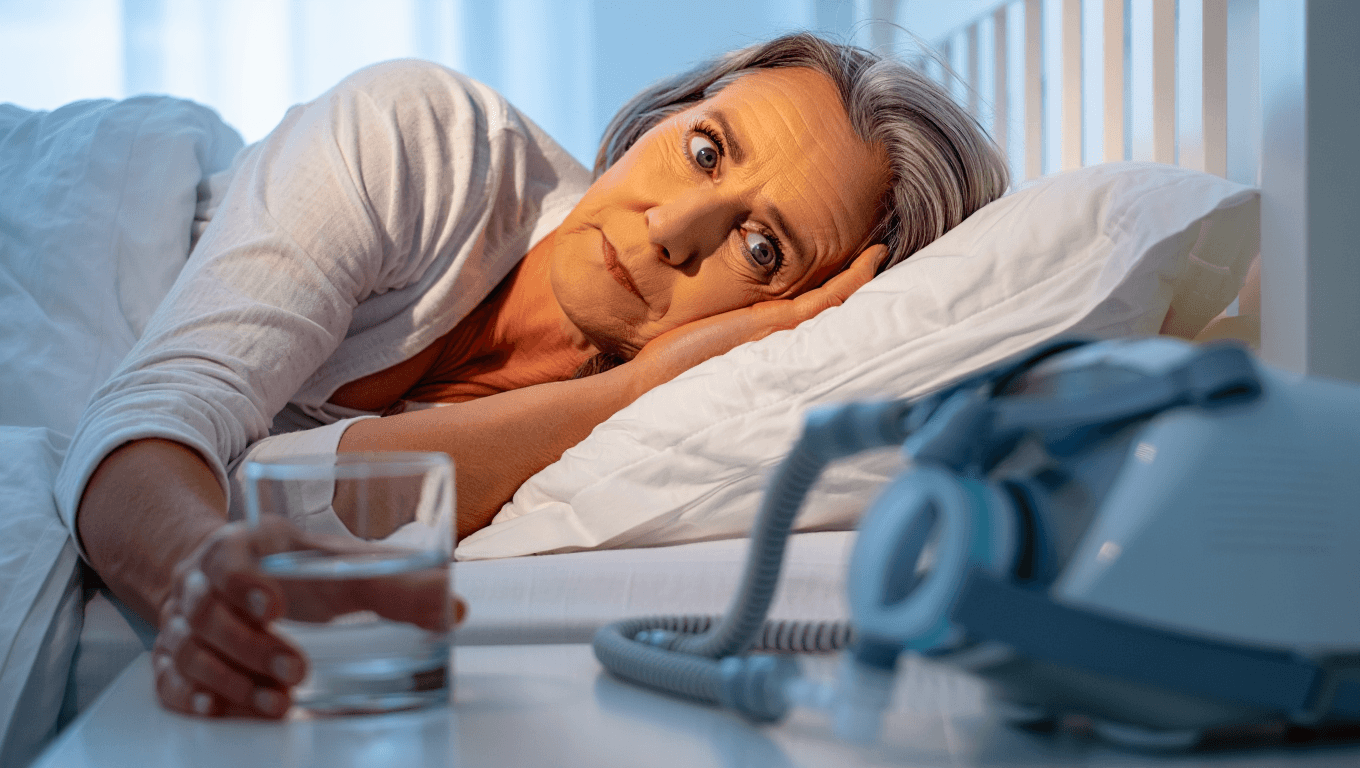
After years of sleeping with a noisy mask and hose, a recent drug trial gives me — and millions of others with obstructive sleep apnea — reason to hope for a simpler option. New results suggest a pill might reduce nighttime breathing interruptions, potentially offering an alternative to bulky machines and invasive implants.
Obstructive sleep apnea happens when throat muscles relax and block the airway during sleep, forcing brief awakenings that disrupt rest and lower blood oxygen. For many, continuous positive airway pressure — CPAP — remains the standard treatment, but masks, hoses and nightly maintenance are barriers that lead a large number of people to stop using the devices within a year.
The trial and what it found
Researchers tested a decades-old anti-seizure drug called sultiame in a randomized trial that enrolled 298 adults with moderate to severe obstructive sleep apnea. Participants took either a placebo or one of several doses of the medication nightly for 15 weeks. The results, published this year in The Lancet, showed meaningful improvements among those on higher doses.
Key findings included:
- Up to a 47 percent reduction in breathing interruptions per hour for patients receiving the larger doses compared with placebo.
- Better overnight oxygen levels and fewer reported daytime fatigue symptoms among treated participants.
- Evidence that the drug acts on an enzyme involved in respiratory control, which appears to stabilize breathing patterns and lower the risk of airway collapse during sleep.
While these outcomes are encouraging, the researchers caution that the trial’s size and duration are limited. Larger and longer studies are needed to confirm effectiveness, evaluate long‑term safety, and determine which patients would benefit most.
What this could mean for patients
If subsequent trials replicate these results and regulators approve the treatment, a pill could change the treatment landscape in several ways. Potential benefits include easier adherence, reduced need for nightly equipment, and fewer barriers related to comfort and cost. But there are important caveats: side effects, interactions with other medications, and the absence of long‑term outcome data remain unresolved.
Practical considerations at a glance:
- Pros: Noninvasive, may improve adherence, may lower device-related costs and maintenance burdens.
- Cons: Not yet approved; unknown long-term risks; may not replace CPAP for everyone, especially those with very severe disease.
- Next steps: Larger clinical trials, safety monitoring, and regulatory review before any clinical rollout.
For now, devices such as CPAP — and in select cases implantable stimulators that target throat muscles — remain standard options. The new drug study adds a potentially important tool to ongoing research but does not yet change clinical practice.
Patients currently using CPAP shouldn’t stop treatment based on this single trial. Speak with a sleep specialist before making changes. Still, the findings mark a fresh direction in sleep medicine: after decades of relying mainly on machines and surgical devices, pharmacologic control of breathing at night may soon be a realistic goal.
That prospect matters today because improving adherence and access could reduce the long-term risks tied to untreated sleep apnea, including cardiovascular disease and daytime impairment. Researchers say the next few years will be critical to determine whether a bedtime pill can deliver that promise safely and reliably.
Similar Posts
- Teeth grinding: 3 sneaky signs dentists warn could be wrecking your sleep
- Doctors Reveal: Worst Sleeping Position for Adults—Perfect for Babies!
- Mice Naturally Produce Ozempic: Could Humans Be Next?
- GLP-1 misuse linked to serious harm in people with eating disorders: study
- Better sleep linked to specific dream type: study finds

Miles Harper focuses on optimizing your daily life. He shares practical strategies to improve your time management, well-being, and consumption habits, turning your routine into lasting success.