
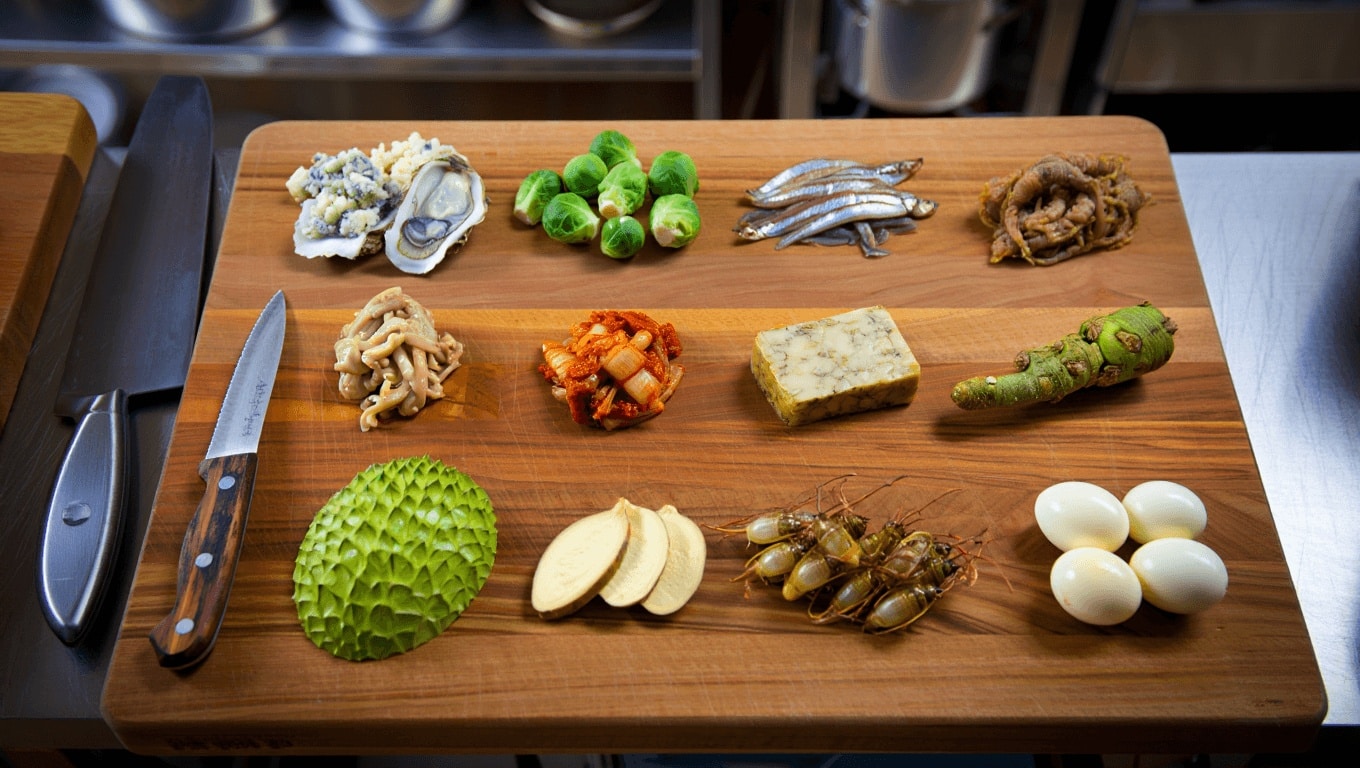
A recent YouGov survey exposes which foods most Americans actively avoid — and why that matters beyond dinner tables. The results highlight strong shared aversions to briny flavors, mushy textures and distinctively “acquired” tastes, with implications for restaurants, grocery shelves and anyone trying to please a group palate.
Foods most commonly disliked across the country
| Rank | Food | Share saying they dislike or hate it |
|---|---|---|
| 1 | Anchovies | 56% |
| 2 | Liver | 54% |
| 3 | Sardines | 52% |
| 4 | Tofu | 46% |
| 5 | Squid | 44% |
| 6 | Caviar | 43% |
| 7 | Oysters | 42% |
| 8 | Blue cheese | 39% |
| 9 | Sushi | 39% |
| 10 | Chitterlings | 38% |
| 11 | Beets | 35% |
| 12 | Kale | 31% |
The list makes clear that intense, polarizing flavors and unusual textures are the biggest triggers. Strongly salted or fishy items, chewy organ meat and pungent dairy show up repeatedly — and they don’t demand a price tag to be divisive.
Who hates what — and which items inspire the most outright loathing
When respondents were asked whether they actively “hate” foods rather than merely dislike them, liver topped the list: four in ten Americans say they hate it. Anchovies and sardines followed close behind, at about 36% and 35% respectively. Those sharper figures point to visceral reactions — not mild preference differences.
It’s worth noting the survey also showed a lot of culinary common ground. On a broader roster of 40 items, most foods were still liked by a plurality: for example, eggs had the fewest detractors (only 6% reported disliking or hating them), while 84% said they liked or loved eggs. Bananas scored similarly well, with 82% expressing positive feelings.
- Generational splits: Adults under 45 tended to reject certain condiments and pickled items more often — mustard, mayonnaise, pickles and olives showed higher dislike among younger respondents. People 45 and older were more apt to shy away from protein-forward foreign dishes such as tofu and sushi.
- Gender differences: Women were more likely than men to report dislike for a range of seafood items — anchovies, sardines, squid, oysters, caviar and sushi. Men, conversely, showed stronger aversion to some vegetables like Brussels sprouts, cauliflower, spinach and broccoli.
These patterns matter for more than bragging rights at the dinner table. Menu designers, food marketers and product developers pay attention to reliable majority tastes when making decisions about offerings, portion sizes, and how to position items to reduce resistance.
For consumers, the survey is a reminder that food preferences remain a mix of culture, upbringing and sensory reaction. Some dislikes are shaped by exposure and familiarity; others — driven by texture or astringency — can remain stubbornly consistent across age groups and regions.
Practical takeaways
Restaurants and retailers can use the data to lower customer friction: flagging strongly flavored items clearly on menus, offering milder alternatives, or presenting bold-flavored foods as optional add-ons can help avoid unpleasant surprises. Home cooks entertaining guests may want to steer clear of the most polarizing items unless they know their audience.
Above all, the survey underscores a basic point: while Americans often disagree on big things, food still produces fast, passionate consensus — and that consensus can shape what appears on plates nationwide.
Similar Posts
- Top 5 Best and Worst States for Food in America: See Who Made the List!
- Top 5 Unsafe Foods to Skip at Restaurants: Safety Experts Advise
- Pregnancy diet could reshape baby’s health and development: new research
- Boost Your Sex Life Now: Discover 4 Foods That Can Help!
- Sperm counts fall after common habit: new study warns fertility may suffer

Miles Harper focuses on optimizing your daily life. He shares practical strategies to improve your time management, well-being, and consumption habits, turning your routine into lasting success.