
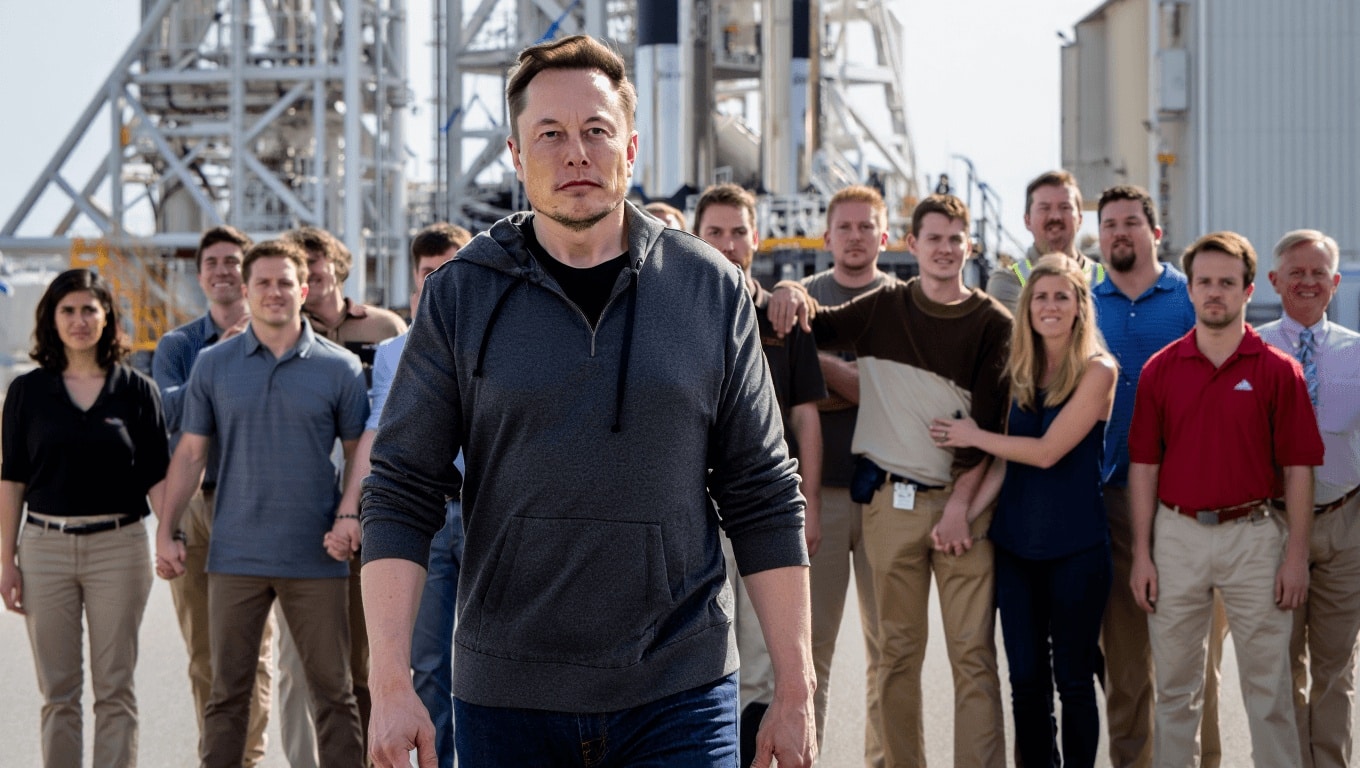
In February 2026, Elon Musk acknowledged a practical hiring problem at SpaceX’s South Texas operations: persuading married engineers to move to the company’s remote launch campus. The site — known as Starbase and located roughly 40 minutes from Brownsville near the U.S.–Mexico border — is drawing attention not for rockets but for the social and housing hurdles that come with building a high-tech workforce in a sparsely populated region.
Musk framed the issue as a major obstacle to staffing, saying relocation resistance among married couples has become “the biggest silent problem.” The candid admission highlights a growing, concrete challenge for employers that need concentrated teams on-site to complete complex aerospace work.
Why it matters now
SpaceX is scaling production and testing for next-generation vehicles that require hands-on collaboration. When experienced engineers decline relocation, companies can face slower rollout schedules, higher hiring costs and more pressure on existing staff. For readers, the development matters because it touches on regional economies, housing markets and national supply-chain timelines tied to space infrastructure.
Relocation reluctance also mirrors a broader labor-market shift since the pandemic: many tech workers now prioritize partner career options, local amenities, schools and shorter commutes. Those preferences change how major projects are staffed and where new industrial investments locate.
What’s keeping married engineers away?
The reasons are practical rather than ideological. Several factors commonly cited by workers and recruiters align with what SpaceX faces in South Texas:
- Limited local job opportunities for spouses, especially in specialized professions.
- Education and childcare concerns in a region still building school capacity and family services.
- Housing and commute constraints: availability, quality and distance from urban centers.
- Community amenities such as cultural life, healthcare options and broadband connectivity.
- Perceptions of remoteness and border proximity that affect personal and family comfort.
These are not unique to SpaceX. Companies that build concentrated engineering teams often face similar negotiations between operational needs and family logistics.
How employers typically respond
To overcome resistance, firms deploy a range of incentives and community investments. SpaceX and other large employers have options that can be scaled depending on urgency and budget:
- Relocation packages and signing bonuses aimed at offsetting short-term disruption.
- Company-sponsored housing developments or rental assistance to guarantee quality and proximity.
- Partnerships with local governments on school improvements, childcare and healthcare expansion.
- Spousal job placement programs or career services to help partners find local work.
- Hybrid staffing models where some work remains remote while critical tasks stay on-site.
Which combination will be used depends on cost, timeline and how essential on-site presence is for specific roles.
Local and industry implications
For Brownsville and nearby communities, an influx of high-skilled workers could bring economic growth and tax revenue — but also strain housing and public services if development outpaces planning. Conversely, if SpaceX scales back on-site hiring, the region may not capture the full economic upside of hosting a major aerospace hub.
For the space industry, sustained recruitment gaps could influence program milestones. Complex vehicle builds and test campaigns rely on concentrated expertise; distributed teams can substitute in some areas but may slow progress where hands-on integration is required.
Ultimately, Musk’s February comment spotlights a subtler constraint beneath headlines about rockets and launches: the social architecture needed to support high-tech work. How SpaceX balances workforce needs, community investment and operational tempo in South Texas will offer a real-world test of whether major industrial projects can be sited outside traditional tech hubs without losing momentum.
Similar Posts
- Elon Musk faces major hiring snag at Starbase near Mexican border: married engineers won’t relocate
- Elon Musk faces recruiting crisis: married engineers balk at moving to Starbase near the border
- T. rex weighing 145,000 pounds needs new home: giant fossil up for relocation
- Cincinnati veterans to get 14 $70K tiny homes on church land: move out of temporary housing
- Paychecks squeezed by rising costs: how workers can protect income

Calvin Baxter is an economic analyst specializing in the evolving US labor market. He leverages real data to provide you with concrete recommendations and help you adjust your professional strategies.