
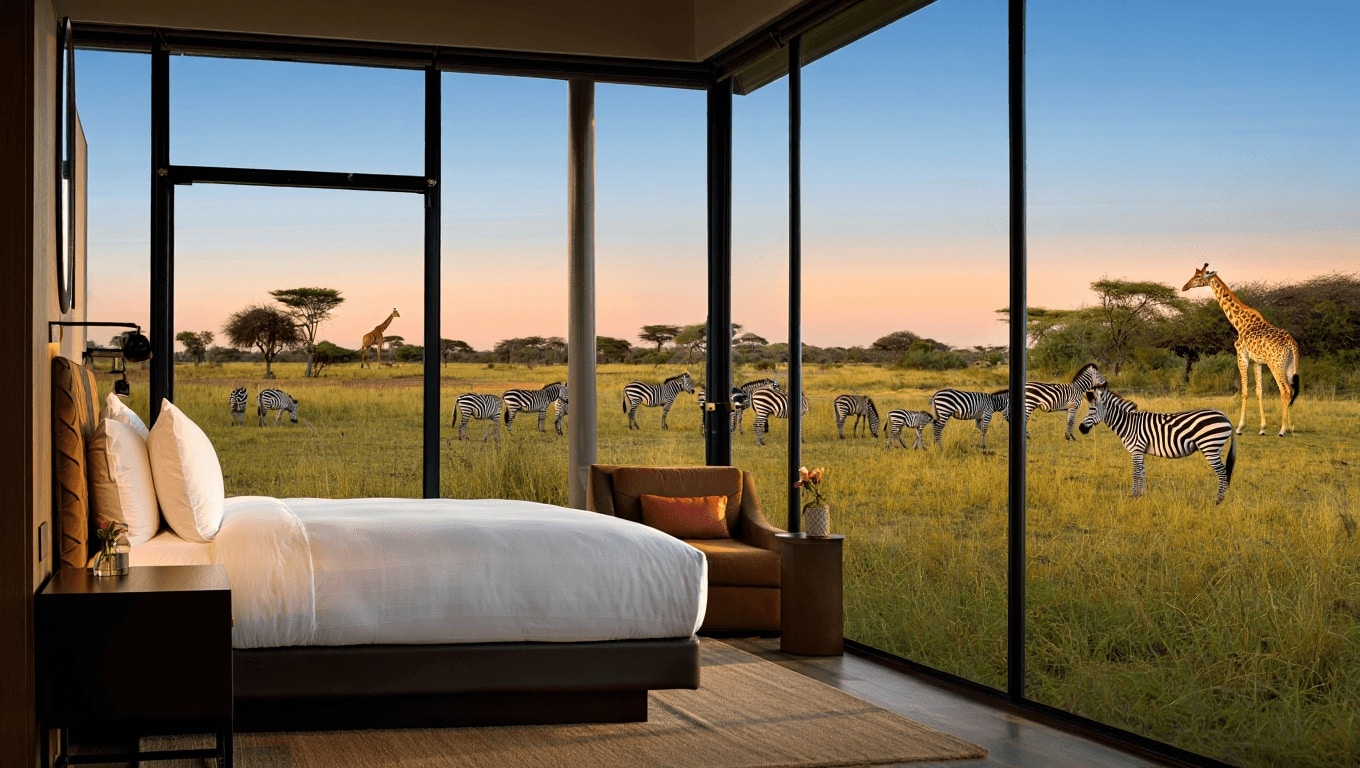
A U.S. zoo is building a $46 million replica of the African savanna, but the project’s headline grabber isn’t the giraffes or rhinos — it’s a new on-site hotel that will offer guests direct views into the habitat. The plan aims to reshape how visitors experience animals while raising fresh questions about the balance between immersion, revenue and animal welfare.
A different focal point
Rather than positioning the animals as the sole attraction, the development places an emphasis on guest experience. The centerpiece is an on-site hotel with rooms that open onto the savanna, letting visitors watch wildlife from close range without leaving their accommodations.
The habitat will house familiar African species, but the design and amenities are geared toward an immersive overnight stay rather than a traditional daytime exhibit. For zoo operators, that represents a shift toward blending hospitality and exhibit design to extend visitor time on site — and potentially boost income streams.
Why this matters now
Zoos nationwide have been exploring new revenue models as attendance and funding evolve. An on-site hotel changes the economics: overnight stays can generate higher per-visitor revenue and create marketing opportunities beyond the typical ticket sale.
At the same time, blending lodging with live exhibits raises immediate ethical and operational considerations. Animal welfare experts, local regulators and the broader public will be watching how the project manages noise, light, privacy and the animals’ behavioral needs.
- Project cost: $46 million estimated for the savanna and supporting infrastructure.
- Main feature: A hotel offering direct sightlines into the habitat.
- Visitor impact: Designed to extend visits and create an immersive overnight experience.
- Conservation angle: Potential to fund programs, but effectiveness depends on how revenue is allocated.
- Animal welfare concerns: Managing disturbance, privacy and natural behaviors will be critical.
Questions to watch
How the zoo addresses animal care will likely determine public reception. Will the hotel incorporate soundproofing, limited lighting and set-back viewing areas to protect the animals’ routines? Will a share of lodging revenue be earmarked for conservation and species care?
Regulatory scrutiny is another factor: local planning boards and animal welfare authorities often require detailed impact studies for projects that alter enclosure designs or increase nighttime human presence. The answers to those questions will shape whether this model becomes a one-off attraction or a blueprint for other institutions.
For visitors, the appeal is clear: a new way to connect with wildlife. For the broader community, the stakes are practical and ethical — how to fund and present conservation without compromising the animals at the center of the work.
Similar Posts
- Scientists Use Poop to Rescue Endangered Animals: Innovative Conservation Efforts Unveiled!
- Bison Attack in Yellowstone: Florida Man Gored in Shocking Encounter!
- Amazon animals tap a natural wireless network to communicate: what researchers uncovered
- Haunted Las Vegas Hotel Offers $5K To Brave a Night With Ghosts: Dare to Try?
- War elephants unearthed in Spain: bones tied to 2,200-year-old conflict

Calvin Baxter is an economic analyst specializing in the evolving US labor market. He leverages real data to provide you with concrete recommendations and help you adjust your professional strategies.