
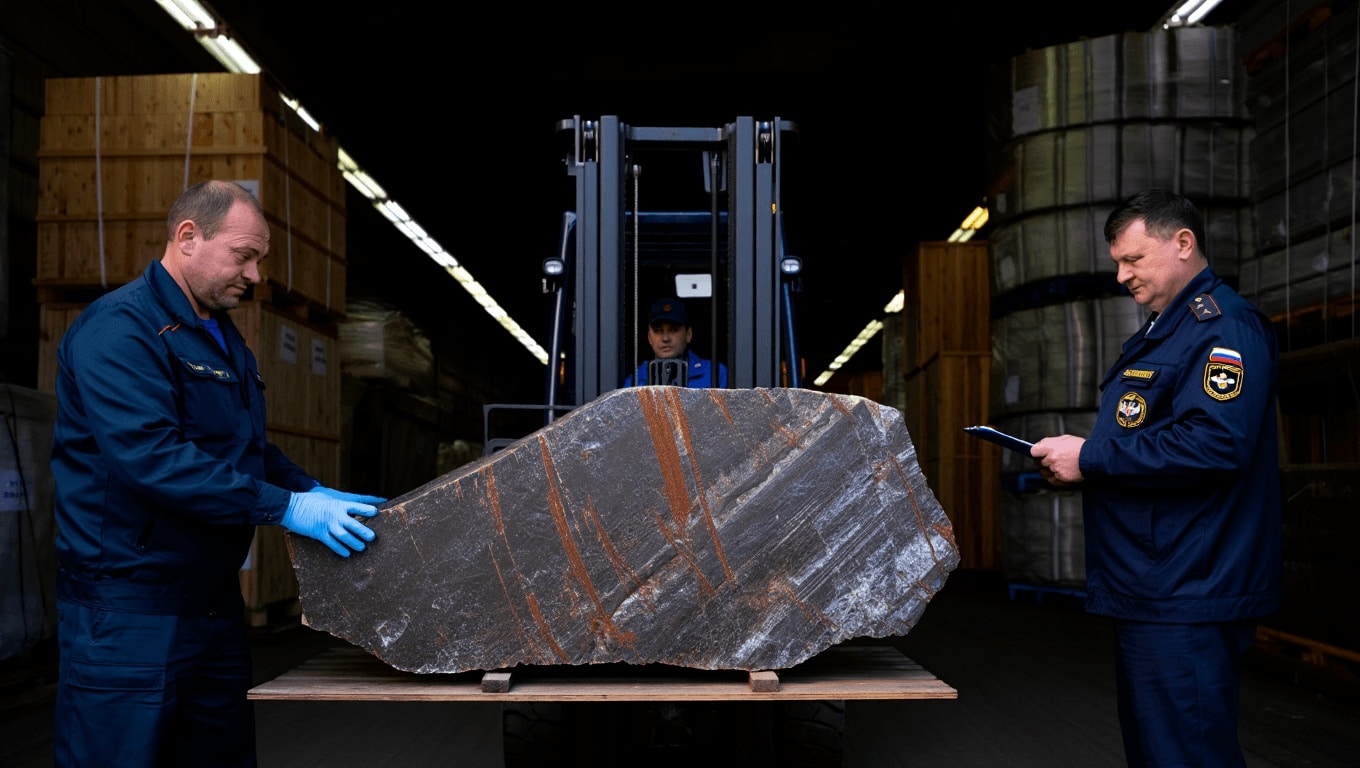
Russian authorities say they have intercepted a 2.8-ton fragment of the Aletai meteorite, valued at about $4.2 million, after it was packed to appear as ordinary garden decor and prepared for export. The seizure highlights both the lucrative black-market for rare space rocks and the difficulty of keeping scientifically important specimens out of illegal hands.
Investigators described the find as an attempted smuggling operation. Officials say the meteorite piece was concealed within what looked like a yard sculpture or ornament to avoid detection during transport. Details on where the shipment was stopped and who is under investigation have not been released publicly.
The Aletai fragment’s size—nearly three metric tons—makes it notable. Large meteorite fragments are uncommon, and their combination of scientific value and collector demand often drives intense interest from museums, laboratories and private buyers.
Why it matters now
Beyond the headline figure, the case raises practical and scientific concerns. When meteorites leave their discovery site without proper documentation and custody, researchers lose critical context that helps determine a specimen’s origin and history. Law enforcement seizures like this one can protect that context—but only if the material is handed to accredited institutions rather than trafficked to private collections overseas.
- Scientific loss risk: Uncontrolled removal destroys field data that scientists rely on to study planetary formation and impact processes.
- Legal and cultural stakes: Countries increasingly classify significant meteorites as protected objects, making unauthorized export a criminal offense.
- Market pressure: High prices for rare meteorites fuel theft, encouraging concealment and creative smuggling tactics.
- Customs challenges: Disguises and false labeling complicate detection for border and shipping officials.
Specialists in meteoritics and cultural property protection call for clearer chains of custody and stronger coordination between scientists and customs authorities. Proper documentation—from discovery to laboratory—preserves both research value and legal ownership claims.
For Russia, the interception will likely prompt closer scrutiny of shipments linked to mineral and specimen exports. Internationally, the episode is a reminder that valuable natural objects attract illicit trade networks as much as antiquities or wildlife products do.
The investigation remains active. If authorities follow past practice, the recovered fragment may be transferred to scientific institutions for study and cataloging, pending legal proceedings. How the case is resolved will affect not only one meteorite’s fate but also how future discoveries are protected and managed.
Similar Posts
- Meteorite Strike Survivor Shares Insane Space Tale: First Person Ever Hit!
- Massive 11,000-carat ruby jolts Myanmar mining: ignites debate on gem value, tracking and cost
- Karnataka village yields 14 gold coins: soil hints at bigger archaeological find
- Rarest mineral confirmed: a single 0.011 oz specimen reveals gaps in Earth’s catalog
- Man sought in backyard break-in after kissing rubber duck

Calvin Baxter is an economic analyst specializing in the evolving US labor market. He leverages real data to provide you with concrete recommendations and help you adjust your professional strategies.