
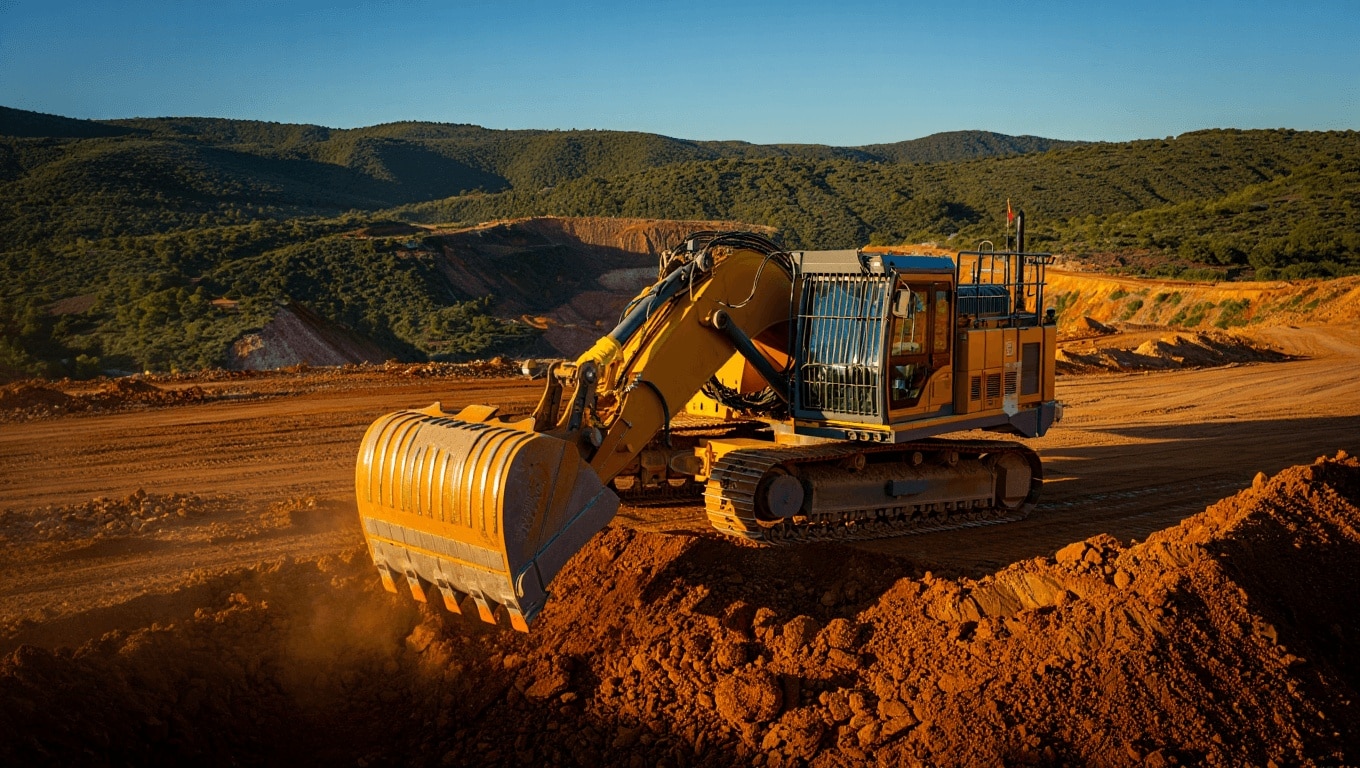
Spanish authorities have announced the discovery of a significant deposit of rare-earth elements that, if fully developed, could supply roughly one-third of Europe’s current demand — a finding that has immediate implications for the continent’s clean-energy and tech supply chains. The announcement arrives at a critical moment as EU policymakers and industry leaders race to shield the green transition from concentrated foreign suppliers.
The deposit, identified in recent field surveys and described by officials as one of the largest known in Western Europe, would bolster Europe’s access to magnets, batteries and other components essential for electric vehicles, wind turbines and advanced electronics. Analysts say the find could reshape procurement strategies and reduce reliance on external sources long dominant in the market.
Why this matters now: rare-earth materials are central to decarbonization efforts. A major domestic source in Spain would be a strategic win for European industry, but it also raises questions about timelines, environmental trade-offs and the need for local processing capacity to realize the full geopolitical benefits.
What officials and experts are saying
Spanish authorities emphasized the discovery’s potential while cautioning that estimates are preliminary. Early assessments suggest the deposit contains concentrations of several critical elements — including neodymium and dysprosium, which are prized for permanent magnets used in wind turbines and EV motors.
Industry specialists note that having the raw resource is only the start. Extraction, refining and magnet manufacturing require substantial investment and technology. Without nearby processing facilities, much of the economic and strategic value could still flow abroad.
- Estimated contribution: roughly one-third of Europe’s present demand, according to initial public statements.
- Key elements detected: neodymium, praseodymium, dysprosium and related lanthanides (preliminary analysis).
- Time to production: analysts generally expect a multiyear timeline—often five to ten years—between discovery and meaningful output, factoring permitting and construction.
- Local challenges: permitting, community consultations, environmental impact assessments and development of refining capacity.
Supply-chain and geopolitical implications
The discovery could ease Europe’s dependence on a small number of suppliers that currently dominate global rare-earth production and processing. For policymakers, a domestic resource translates into bargaining power: countries can negotiate from a stronger position on trade, investment and technology transfer.
However, securing a supply chain that is truly independent requires more than mining. Processing rare earths into usable alloys and magnets is energy- and capital-intensive and often concentrated where established industrial ecosystems exist. Without rapid investment in European refining and manufacturing, the resource’s strategic value will be limited.
For companies in the electric-vehicle and renewable-energy sectors, the news offers a potential pathway to lower supply risk. But firms will need clarity on costs, timelines and regulatory frameworks before reallocating long-term sourcing plans.
Environmental concerns and community response
Mining and refining rare-earth elements can have significant environmental footprints if not carefully managed. Tailings, water use and chemical processing risks will be central to public debate and regulatory scrutiny in Spain. Local communities and environmental groups are likely to press for stringent protections and transparent oversight.
Spanish authorities have indicated that environmental assessments will guide the development process. Observers say that early, inclusive consultations with affected communities and independent oversight will be essential to avoid delays and to secure social license to operate.
Next steps and timeline
Officials plan further geological surveys and independent assays to refine estimates. If commercial viability is confirmed, the project will move into permitting and feasibility studies—phases that typically require detailed environmental impact reports and public hearings.
Industry stakeholders are watching funding and policy responses closely. The European Union has been rolling out incentives and funds aimed at strengthening domestic critical-minerals value chains; the Spanish discovery could accelerate those discussions and unlock targeted financing for processing and manufacturing projects.
For now, the discovery is a strategic opening rather than an immediate fix. Transforming mineral wealth into a stable, sustainable supply for Europe will demand coordinated public policy, private investment and clear environmental safeguards.
Bottom line: this find could be a turning point for Europe’s industrial autonomy in the green transition — but turning geological potential into geopolitical advantage will take years of investment, careful regulation and a concerted push to build processing and manufacturing capacity on the continent.
Similar Posts
- Spain rare-earth mine could meet 33% of Europe’s demand: reshaping green geopolitics
- Rare earths: Sweden’s 2.2 million-ton Per Geijer find threatens China’s processing monopoly
- Electric cars and wind power costs driven by rare-earth magnets: AI unveils magnet-free fix
- Largest U.S. rare earth deposit in Wyoming coal mine: production pushed to 2031
- China finds 540 million-ton lithium deposit: global battery markets scramble

Calvin Baxter is an economic analyst specializing in the evolving US labor market. He leverages real data to provide you with concrete recommendations and help you adjust your professional strategies.