
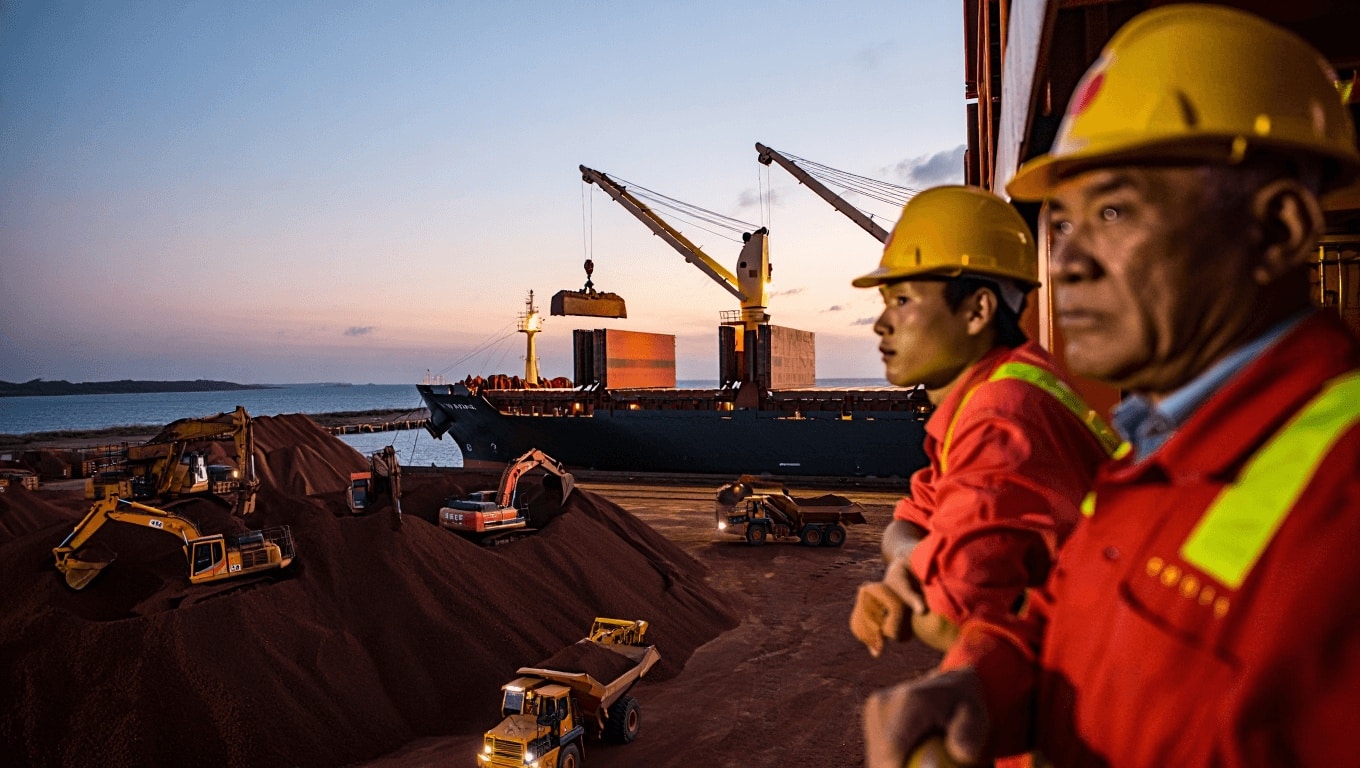
China has taken delivery this week of an initial 200,000-ton shipment from what industry sources describe as Africa’s largest previously untapped iron deposit — a move with immediate implications for global raw-material flows and regional politics. The cargo is small in scale compared with annual iron exports, but its timing and origin make it a potential pivot point in how nations secure steelmaking inputs.
Why this shipment matters now
For steel producers and national planners, even a single shipment signals more than raw tons crossing an ocean. Securing a direct feed of high-grade ore can shave costs for mills, reduce reliance on traditional suppliers, and strengthen long-term purchasing relationships.
This delivery also plays into a broader contest over African mineral wealth. As global powers compete to lock in critical resources, a steady stream of iron ore bound for China can shift negotiating leverage, investment patterns, and infrastructure priorities on the continent.
Short-term effects on markets and logistics
The 200,000-ton cargo is roughly the size of a single large bulk carrier load, enough to supply several medium-sized steel mills for weeks. In the near term, expect these immediate outcomes:
– Reduced spot-market purchases for some Chinese buyers, easing short-term price pressure.
– Increased demand for port and rail capacity near the mine and along export corridors.
– A testing ground for contractual, environmental, and security arrangements between the mine operator, the host nation, and Chinese importers.
Longer-term geopolitical and economic consequences
This shipment could presage deeper investment and closer ties if follow-on exports become steady. Governments and industry watchers will be watching three arenas closely:
– Trade and diplomacy: Import deals often come with financing, construction, or political concessions that reshape bilateral relations.
– Infrastructure investment: Large-scale mining typically spurs new rail, port, and power projects — with big economic and environmental costs.
– Local governance and revenue-sharing: How royalties, taxes, and jobs are managed will influence domestic politics in the host country.
What to watch next
Markets will look for a handful of signals that indicate whether this was an isolated delivery or the start of regular shipments:
– Frequency of follow-up cargoes heading to the same ports.
– New or expanded shipping contracts and insurance coverage.
– Announcements of financing, joint ventures, or public-private infrastructure deals.
– Statements from host-country officials on royalties, environmental safeguards, or export strategy.
Analysts will also monitor price response in regional benchmarks and whether other major consumers react by seeking alternative sources or negotiating their own long-term agreements.
Risks and unknowns
The move contains several uncertainties. Production scale-up can be delayed by technical, political, or environmental hurdles. Transport bottlenecks — from bad roads to limited rail capacity — can limit how much ore actually reaches export terminals. And any perceived favoritism toward a single foreign buyer can provoke domestic backlash in the producing country.
Finally, environmental and social impacts around large mining projects remain contentious. Transparent revenue management, meaningful community consultation, and credible environmental safeguards will determine whether the deposit becomes a sustainable development asset or a source of conflict.
Key takeaways:
- The first 200,000-ton shipment is small relative to global flows but symbolically significant for resource diplomacy and industrial planning.
- Expect closer scrutiny of follow-up shipments, infrastructure deals, and bilateral agreements that could lock in new trade patterns.
- Long-term outcomes depend on political choices in the producing country, the durability of contracts, and how environmental and social impacts are handled.
This is a development worth watching: a single cargo can be the first visible sign of a deeper reordering in how critical raw materials are sourced and leveraged on the world stage.
Similar Posts
- Pilbara high-grade iron deposit confirmed: 55 billion tons worth $6.52 trillion
- Rare earths: Sweden’s 2.2 million-ton Per Geijer find threatens China’s processing monopoly
- Port of Recife $19.7M dredging to allow 689-foot ships: could shift regional trade
- Largest iron deposit found in Australia: 5.7 billion-ton reserve dates back billions of years
- China gold find tops 1,000 tons, valued at $86 billion: could redraw global supply map

Calvin Baxter is an economic analyst specializing in the evolving US labor market. He leverages real data to provide you with concrete recommendations and help you adjust your professional strategies.