
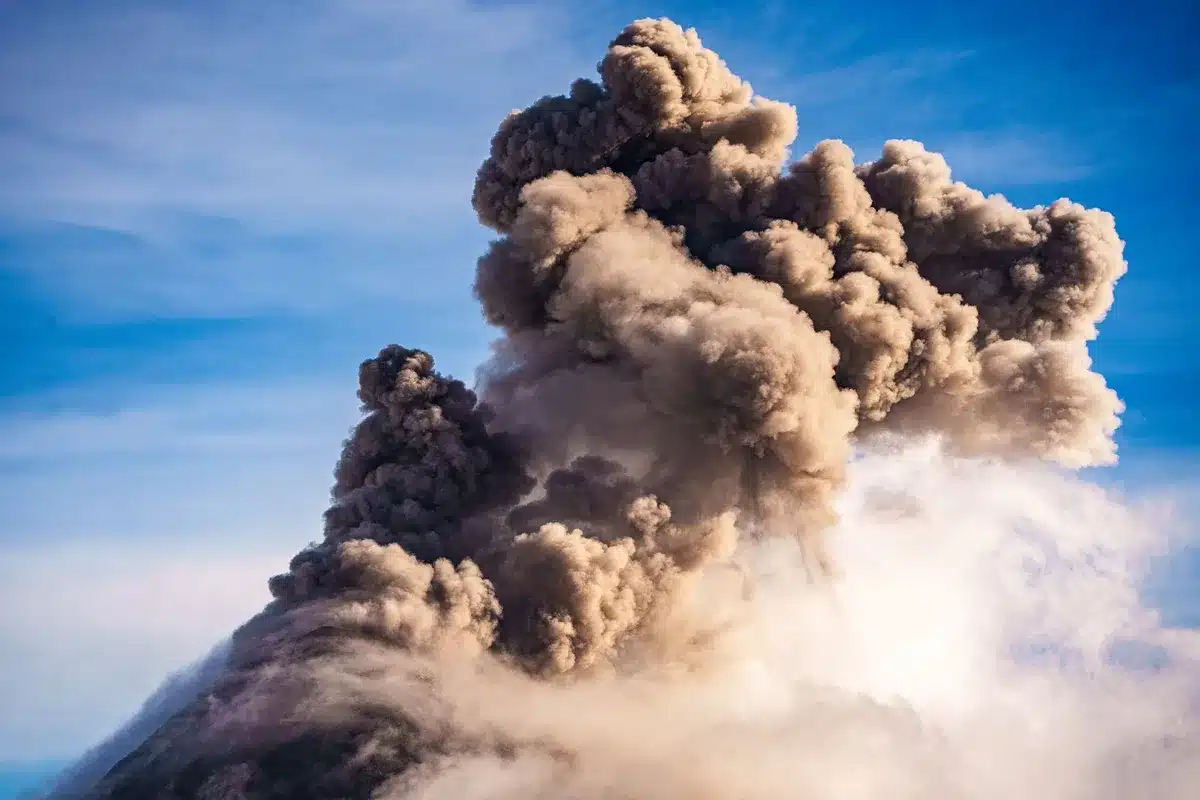
A 29-year-old hiker from Kansas died after being struck by lightning while on Mount Etna, Italy’s most active volcano, highlighting a little-known but deadly hazard for visitors: electrical discharges tied to volcanic activity. The incident and ongoing ash emissions that have disrupted nearby flights underscore why officials have tightened access to parts of the mountain.
What authorities say and how the rescue unfolded
The Associated Press reports the man was discovered alone in an exposed area of the volcano at about 4,600 feet and was flown to a hospital in Catania in cardiac arrest; he later died. Local officials have not released his name.
Fire and rescue crews had already restricted access to several slopes of Etna because of increased activity. The specific location where the hiker was found — the broad, steep basin known as Valle del Bove — had been closed to the public, according to local fire officials.
How lightning forms on a volcano
Forecasters had warned of thunderstorms across Sicily on Sunday, but the lightning that struck the hiker could also have been linked to the eruption itself. When ash and rock particles collide in an eruptive plume, they can generate electrical charges that lead to powerful lightning bolts within the dark clouds. Scientists call this phenomenon volcanic lightning.
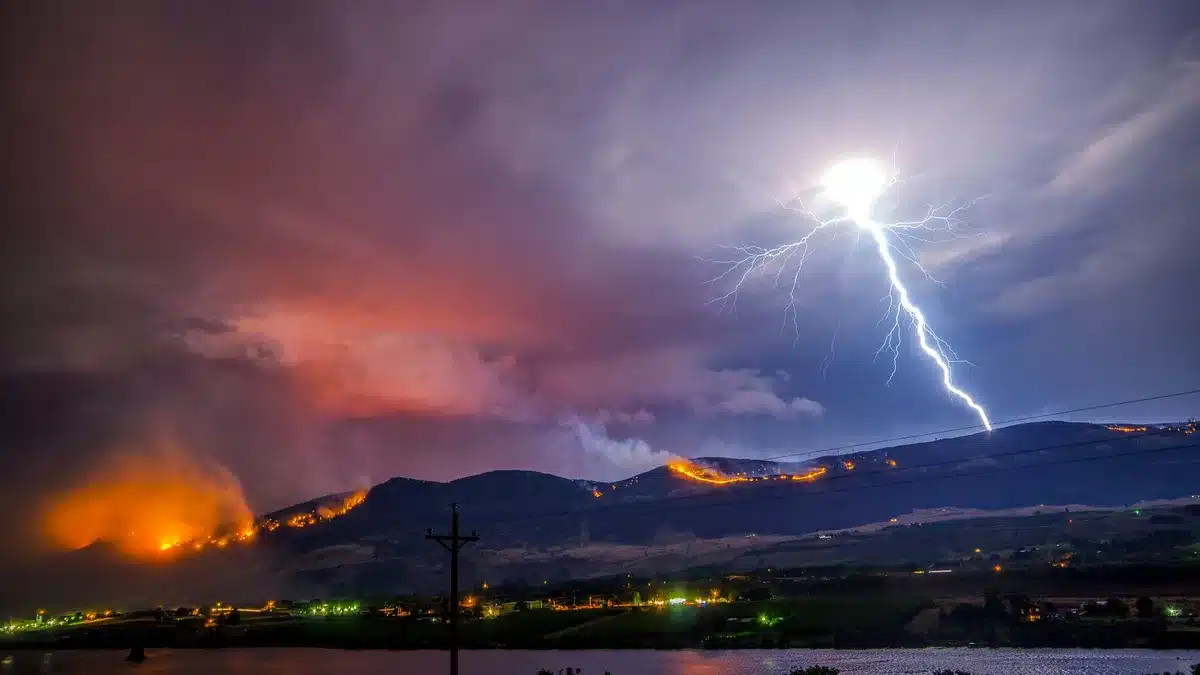
On Etna, officials note that lightning strikes have accounted for more fatalities in recent decades than direct eruption hazards. The last recorded death tied directly to an eruption on the volcano dates back to 1987.
Immediate effects on travel and public safety
Recent ash emissions forced temporary disruptions at Catania Airport, affecting flights in and out of the region. Authorities have reiterated warnings and closed sensitive sectors of the volcano to reduce risk to hikers and tourism operators.
- Access restrictions: Certain trails and basins remain off-limits while activity continues.
- Flight impacts: Ash plumes can halt operations at nearby airports and create ongoing airspace uncertainty.
- Weather and eruption overlap: When storms coincide with eruptions, the chance of volcanic lightning increases.
- Public safety: Visitors should follow official closures and advisories — exposed ridges and basins are especially dangerous.
Mount Etna’s frequent eruptions and shifting hazards make situational awareness crucial. For hikers, that means checking official updates from regional civil protection and local fire authorities before approaching the volcano, and avoiding closed zones even when conditions appear calm.
While volcanic eruptions draw attention for their lava flows and ash clouds, the electrical risks inside eruptive columns are less visible but can be just as lethal — a reminder that the greatest danger on an active volcano may not always be the fire you expect.
Similar Posts
- Giant Deep-Sea Volcano Eruption Delayed Until 2026: Scientists Reveal
- Pompeii Disaster: Volcano Blast Turns Man’s Brain to Glass!
- Mars Lightning Discovery: What Does This Mean for Science?
- Pompeii Discovery Shocks Scientists: New Clothing Clues Reveal True Vesuvius Eruption Date!
- El Salvador’s Wild Fireball Festival: No Rules, Total Chaos!

Miles Harper focuses on optimizing your daily life. He shares practical strategies to improve your time management, well-being, and consumption habits, turning your routine into lasting success.