
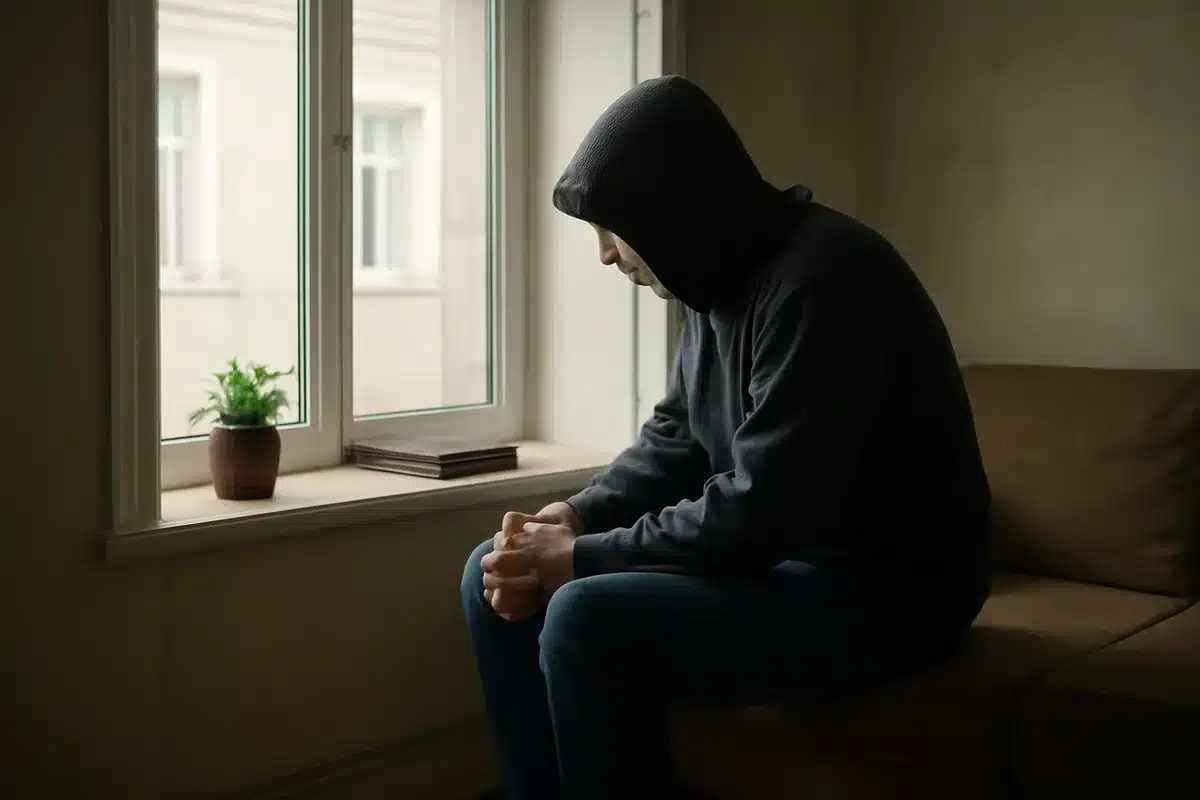
Some people seem to get stuck in a loop of sadness or resentment, treating misery as a default state. That pattern matters now more than ever: as mental health conversations move into the mainstream, recognizing why someone clings to pain can change how we respond and whether they get help.
Why people settle into misery
Most people don’t choose unhappiness, but long-term exposure to disappointment can make suffering feel familiar and therefore safer than something unknown, like contentment. Over time, predictable pain becomes an emotional baseline people know how to manage.

Brittany Polansky, MSW, LCSW, assistant clinical director at First Step Behavioral Health, explains that years of self-criticism or conflict can hardwire expectations. When peace arrives, it may trigger anxiety rather than relief because it introduces the possibility of loss.
In other words, the very prospect of happiness creates a new risk: something valuable to lose. For people raised or conditioned to expect problems, steady calm can feel intolerably fragile, and that discomfort can push them back toward old patterns.
How shame and protection keep the cycle alive
Shame, low self-worth, or the belief that one must earn love through struggle often feed this dynamic. Those feelings can make joy feel unearned or wrong, so clinging to strife becomes a kind of emotional armor.
Polansky describes a common defense: emotionally stepping away from good experiences before anything actually goes wrong, as a way to avoid getting hurt. It looks like control, but it limits the chance to enjoy—and build—lasting happiness.
Signs someone may be stuck in habitual suffering
- They quickly dismiss compliments or positive changes as temporary or undeserved.
- They anticipate disappointment and prepare themselves for the worst, even in safe situations.
- They draw attention by dramatizing problems or positioning themselves as a perpetual victim.
- They sabotage progress—relationships, job opportunities, or recovery—before it can take root.

Practical steps to open up to peace
Moving away from entrenched misery isn’t about forcing perpetual happiness. It’s about learning to tolerate vulnerability and to recalibrate how risk and reward are weighed emotionally.
- Notice the pattern: Track when you expect the worst and what that belief costs you emotionally.
- Test safety gradually: Allow small risks—a new friendship, a modest goal—and observe the outcome without jumping to protection strategies.
- Challenge shame-based rules: Ask whether struggle is truly required to deserve care or success.
- Practice presence: Mindfulness and grounding techniques can reduce the urge to flee from positive moments.
- Seek guidance: Therapy can help separate learned defenses from healthy coping.
| Habituated Suffering | Healthy Emotional Response |
|---|---|
| Predictable negativity; expects disappointment | Flexibility to feel both joy and pain |
| Uses conflict as comfort or identity | Seeks connection without self-sabotage |
| Avoids vulnerability to reduce perceived risk | Accepts short-term uncertainty for long-term gain |
Accepting vulnerability doesn’t mean ignoring caution. It means rebalancing how much weight you give to past pain when deciding how to live now. The more someone practices risk in small, manageable doses, the more emotional resilience they can develop—and the more room there is for lasting contentment.
If this pattern describes you or someone you care about, professional support can help unpack the roots of shame and teach safer ways to connect with happiness. Change is slow, but the payoff is learning that peace can be a place where you belong rather than something to be guarded against.
Similar Posts
- Navigating Relationships: Is ‘Swamping’ Bringing You Closer or Tearing You Apart?
- Emotional baggage is sabotaging your new relationship: experts share 4 steps to reset
- Long-term couples’ sex life slipping: common daily habit to blame
- Manipulative daters: mixed signals that trap you and red flags to spot
- Freefall dating explained: experts warn of emotional and safety risks

Miles Harper focuses on optimizing your daily life. He shares practical strategies to improve your time management, well-being, and consumption habits, turning your routine into lasting success.