
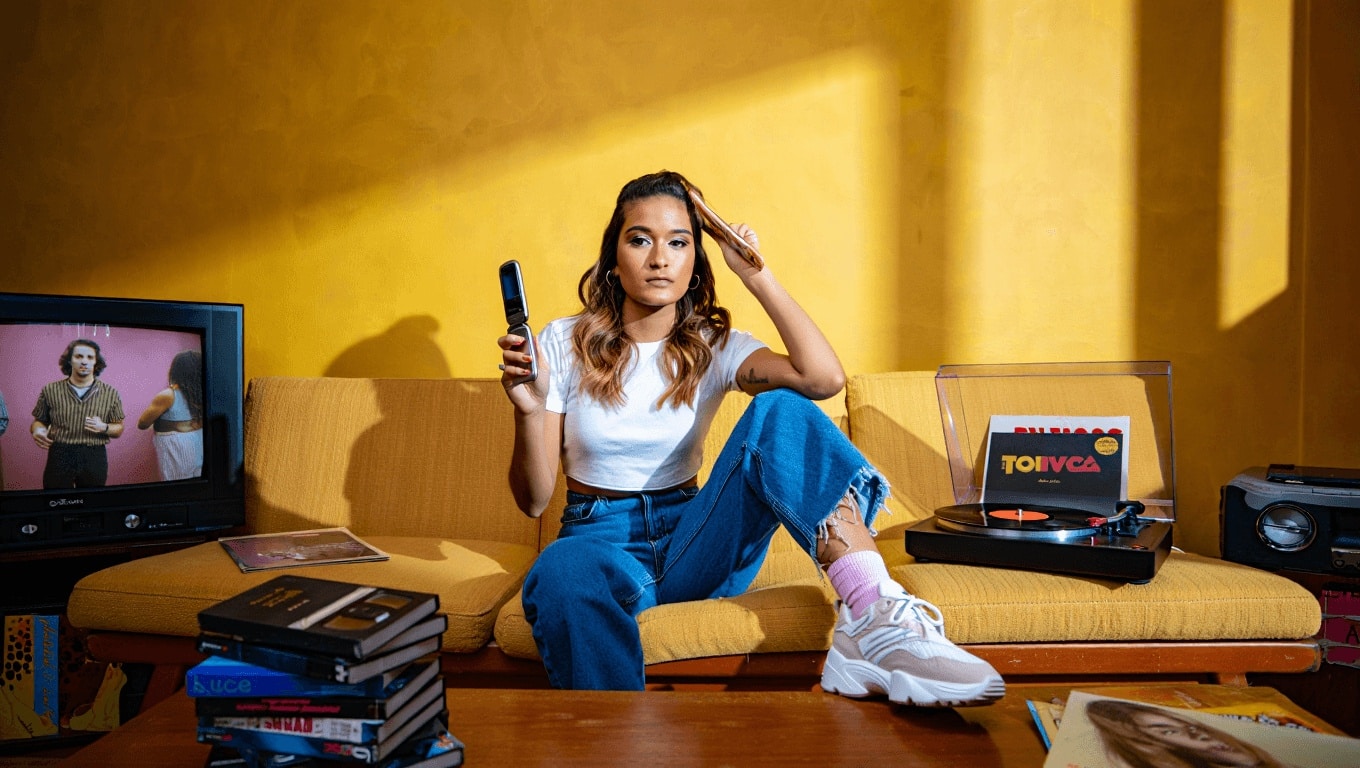
A recent surge in 1990s nostalgia isn’t just about retro fashion or soundtrack playlists — it’s a cultural response to a world that feels relentlessly fast and hyperconnected. The popularity of a high-profile FX dramatization of John F. Kennedy Jr. and Carolyn Bessette has crystallized that trend, showing how many people are retreating into a curated vision of a simpler past.
That longing is partly personal: iconic figures and glossy images from the decade remain irresistible. But the larger pull is psychological. As daily life grows more saturated with screens, constant updates, and social-media pressure, the 1990s have become shorthand for a pre-digital, tactile era that seems emotionally easier to handle.
Why the 1990s feel like a refuge right now
The interest in the 1990s isn’t merely fashion or fandom; it aligns with how nostalgia works in the brain. Research published in 2020 by Frontiers in Psychology summarized evidence that nostalgic reflection can boost self-worth, strengthen social bonds, and increase a sense of meaning — in short, it can act as a small but reliable emotional stabilizer during uncertain times.
Hailey Perez, LMFT at the therapy practice Octave, frames it simply: when life feels overwhelming and the news cycle never pauses, people seek safety in memories that seem calmer. That’s why even adults who were children during the decade — or who only know it through movies and music — often respond to 1990s imagery with real emotional intensity.
What people actually miss — and what they don’t
When someone says they miss the 1990s, they’re rarely yearning for the decade in full. Instead, they’re longing for a set of sensations: slower rhythms, more physical experiences, and a sense of privacy that predates social media timelines. In cultural memory, the decade functions as a kind of psychological sanctuary.
But nostalgia is selective. Perez warns that revisiting the past can reconnect people with creative impulses and childhood comfort, yet it can also become a coping mechanism that prevents forward movement if relied on too heavily. Living in memory rather than the present risks fostering regret or avoidance.
- Potential benefits: Increased optimism, stronger social connection, and temporary relief from anxiety.
- Potential downsides: Escapism that interferes with decision-making, diminished motivation to address current problems.
- Who’s affected: Everyone from true 1990s adults to younger generations raised on retro references in streaming shows and social feeds.
Why the recent streaming hit matters
The success of a dramatized look at JFK Jr. and Carolyn Bessette — which became FX’s most-watched limited series on Hulu and Disney+ — is a concrete indicator that nostalgia is more than passing trend. It’s a commercial force that shapes programming, advertising, and creative choices across media platforms.
For viewers, that has practical consequences: producers and platforms are likely to greenlight more period pieces that offer a comfortable, familiar aesthetic. For mental health and culture, the stakes are mixed. Nostalgia can be healing in measured doses, but a culture that increasingly prefers curated memory over messy reality may delay confronting present-day challenges.
In the end, missing the 1990s often translates to missing a feeling — a slower pace, hands-on interactions, and a perception of privacy. As society adapts to constant connectivity and rapid change, that feeling has become valuable, and media-savvy creators are responding in kind. How individuals balance those comforting returns to the past with real-life obligations will determine whether nostalgia serves as a brief refuge or an ongoing retreat.
Similar Posts
- Pizza Hut goes back to basics and could win back lapsed customers
- Old-school dating comeback: slow courtship and subtle cues reshape romance
- Rockefeller’s remark reveals what fuels our endless hunger for more
- Why Time Flies As You Age: The Surprising Science Explained!
- Nostalgia drives markets and politics: how it affects your choices today

Miles Harper focuses on optimizing your daily life. He shares practical strategies to improve your time management, well-being, and consumption habits, turning your routine into lasting success.