
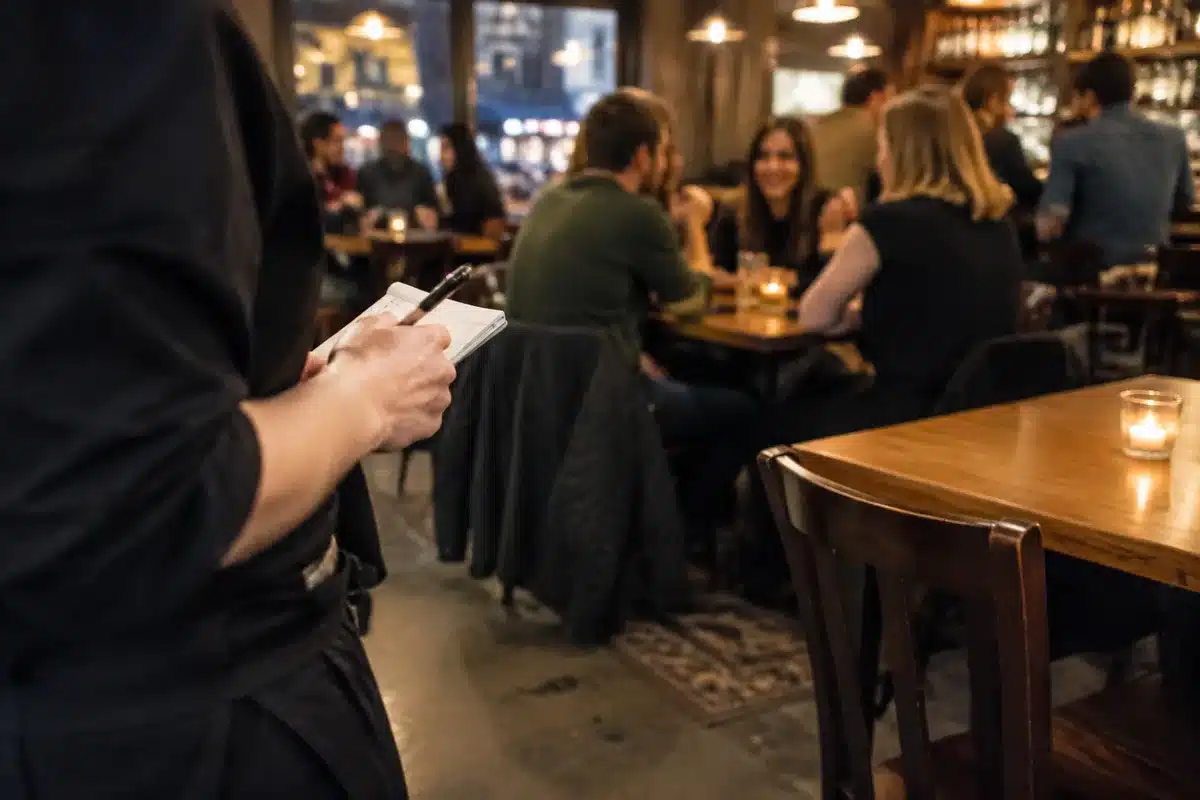
Some singles are now calling restaurants and bars ahead of a night out to ask whether any attractive patrons will be there — a small, slightly playful tactic that signals a bigger shift in how people want to meet. This minute-long ritual matters because it exposes a tension in today’s dating scene: many want spontaneous, in-person sparks but still crave the control and predictability of digital dating.
That yearning for organic encounters comes at a moment when dating apps feel both indispensable and exhausting, and as pandemic-era social habits continue to reshape how people socialize.
What the trend reveals
Recent survey data from Hily shows a clear appetite for offline encounters: roughly six in ten Gen Z women and more than half of Gen Z men say they’re open to meeting someone in real life. Yet a significant portion — nearly four in ten women and just over four in ten men — report feeling nervous about approaching strangers.
Those two facts capture the paradox: people want chance meet-ups, but many are hesitant to make the first move. Dr. Sabrina Romanoff, a Harvard-trained clinical psychologist and relationship specialist with Hily, says the behavior reflects competing desires — the wish for spontaneity and the simultaneous impulse to manage social outcomes as you would on an app.
Benefits and blind spots
Calling ahead can be harmless and even useful. It’s a low-stakes way to scout a venue and mentally prepare for a night where you hope to make a connection.

But there’s a downside when every social outing is evaluated solely as a potential dating opportunity. Turning a night out into a mission can heighten pressure, reduce presence with friends, and make casual interactions feel transactional.
Dr. Romanoff warns that treating evenings as a checklist — where time spent is “successful” only if you meet someone — can backfire, increasing anxiety and disappointment when expectations aren’t met.
- What the numbers suggest: Interest in IRL meetings is high, but so is approach anxiety.
- Practical risk: Over-focusing on meeting a partner can make social situations tense and less enjoyable.
- Possible benefit: Scoping a place in advance may reduce unpredictability for someone who’s anxious about crowds or vibe.
- Best balance: Use scouting as a tool, not a goal; prioritize the experience you want to have that night.
I’ve heard the familiar, well-meaning lines — “it’ll happen when you least expect it” — and they don’t land for everyone. For many, including those who’ve actively worked on relationship goals, finding a partner required intentional steps, not passive waiting.
How to approach the trend thoughtfully
If you’re tempted to try the call-ahead tactic, keep it light. Use it as a way to reduce uncertainty (crowd size, noise level) rather than as a pre-screen for potential partners.
Consider small shifts that lower friction without turning every outing into a search mission: go with friends, set curiosity-first goals (meet someone new, learn a story), or pick activities where conversation happens naturally.
Ultimately, the call-ahead trend is more symptom than solution — a creative response to an unsettled dating landscape. It’s fine as a quirky strategy, but it won’t replace the kinds of low-pressure encounters that actually let chemistry and connection grow.
Similar Posts
- Mercury Retrograde Alert: Why You’re More Likely to Be Ghosted Now!
- Compliment to avoid on first dates: it could kill your chances
- Scared of Solo Dates? Discover the App That’s Changing the Game!
- Gen Z split on sunscreen: dating etiquette clashes go viral
- 10% of Americans Secretly Catfishing on Dating Apps: Are You Being Deceived?

Miles Harper focuses on optimizing your daily life. He shares practical strategies to improve your time management, well-being, and consumption habits, turning your routine into lasting success.