
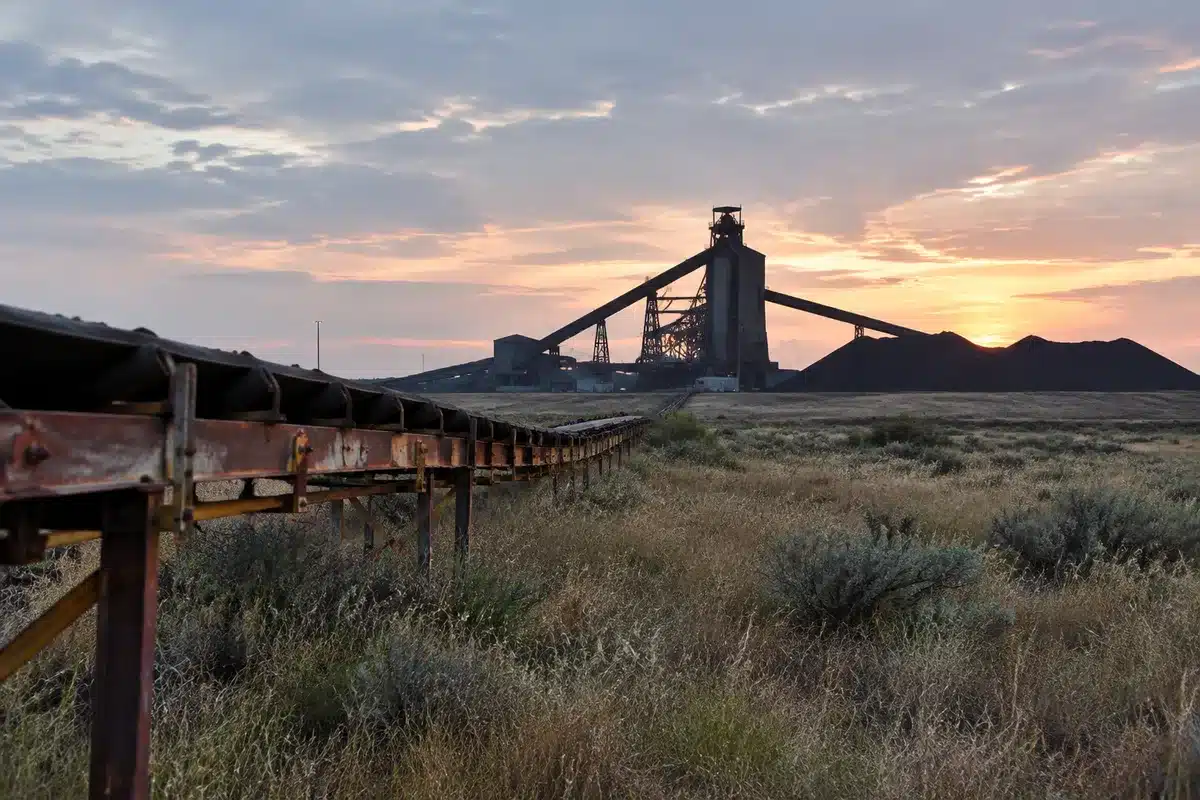
A small coal operation in Wyoming that was bought for $2 million in 2011 now hosts what company officials describe as the largest unconventional rare earth deposit in the United States — and a new engineering study has pushed projected first production out to 2031. The delay underlines the challenge of turning coal-hosted mineral claims into a reliable domestic source of materials crucial for electronics, electric vehicles and defense systems.
Ramaco Resources, the miner behind the project, calls the find an unconventional deposit because the rare earth elements are associated with coal and coal byproducts rather than a traditional hard-rock ore body. That distinction affects how the minerals must be extracted and processed, complicating engineering, permitting and financing compared with more conventional mines.
A company engineering report released this year recalibrated timelines and technical requirements, moving the earliest commercially viable production window to 2031. The report cites expanded process design work and the need for additional infrastructure and regulatory clearances — steps that often lengthen development schedules and raise capital needs for projects of this type.
Why this matters now: the U.S. remains heavily dependent on overseas suppliers for many rare earths. Developing domestic sources is a strategic priority for policymakers and manufacturers, but projects that rely on novel extraction or processing methods can be slower and more expensive than anticipated. Delays at one of the country’s largest coal-hosted deposits highlight the gap between ambition and the practical hurdles of producing critical minerals at scale.
Key facts at a glance:
- Purchase price: The Wyoming mine was acquired in 2011 for $2 million.
- Claimed scale: Ramaco says the site is the largest unconventional rare earth deposit in the U.S.
- New timeline: An engineering report now schedules first production for 2031.
- Deposit type: Rare earths occur in coal and coal-related materials rather than hard rock.
- Implications: Extended development timelines affect domestic supply strategy and investment needs.
Practical hurdles are familiar to mining projects that try to break new technical ground. Extracting rare earths from coal material requires tailored processing plants and waste-handling systems. Those systems must meet state and federal environmental standards, and they often trigger fresh rounds of technical review and public comment before permits can be issued.
Financially, delays increase capital requirements. Projects that once expected early revenue must either secure additional funding or stretch budgets longer, exposing developers and investors to price swings in global rare earth markets. For the wider industrial base, a postponed start date reduces near-term options for companies seeking alternative suppliers outside established international chains.
There are also local and ecological dimensions. Communities near the Wyoming site will watch permitting and remediation plans closely, and regulators will weigh potential impacts from novel extraction processes. Proponents argue that coal-hosted deposits could reuse existing mine infrastructure and create jobs; critics point to environmental risks and long-term liability for waste streams.
What to watch next:
- Follow-up engineering or feasibility reports for more detailed cost and processing estimates.
- Permitting milestones from state and federal agencies that would indicate whether the 2031 target is achievable.
- Financing announcements or partnerships that could accelerate construction or offset higher upfront costs.
The shift to a 2031 production date is a reminder that discovering a strategic mineral deposit is only the first step. Turning that discovery into a dependable U.S. supply chain element requires complex engineering solutions, regulatory approvals and sustained capital — any of which can stretch timelines and reshape expectations for domestic rare earth production.
Similar Posts
- Spain rare-earth discovery could supply 33% of Europe’s needs: upends green-energy geopolitics
- Spain rare-earth mine could meet 33% of Europe’s demand: reshaping green geopolitics
- Rare earths: Sweden’s 2.2 million-ton Per Geijer find threatens China’s processing monopoly
- Gold deposit 2,000 meters underground may hide one of the world’s largest reserves
- Copper deposit on Argentina-Chile border could upend markets: 84B lbs plus major gold and silver

Calvin Baxter is an economic analyst specializing in the evolving US labor market. He leverages real data to provide you with concrete recommendations and help you adjust your professional strategies.