
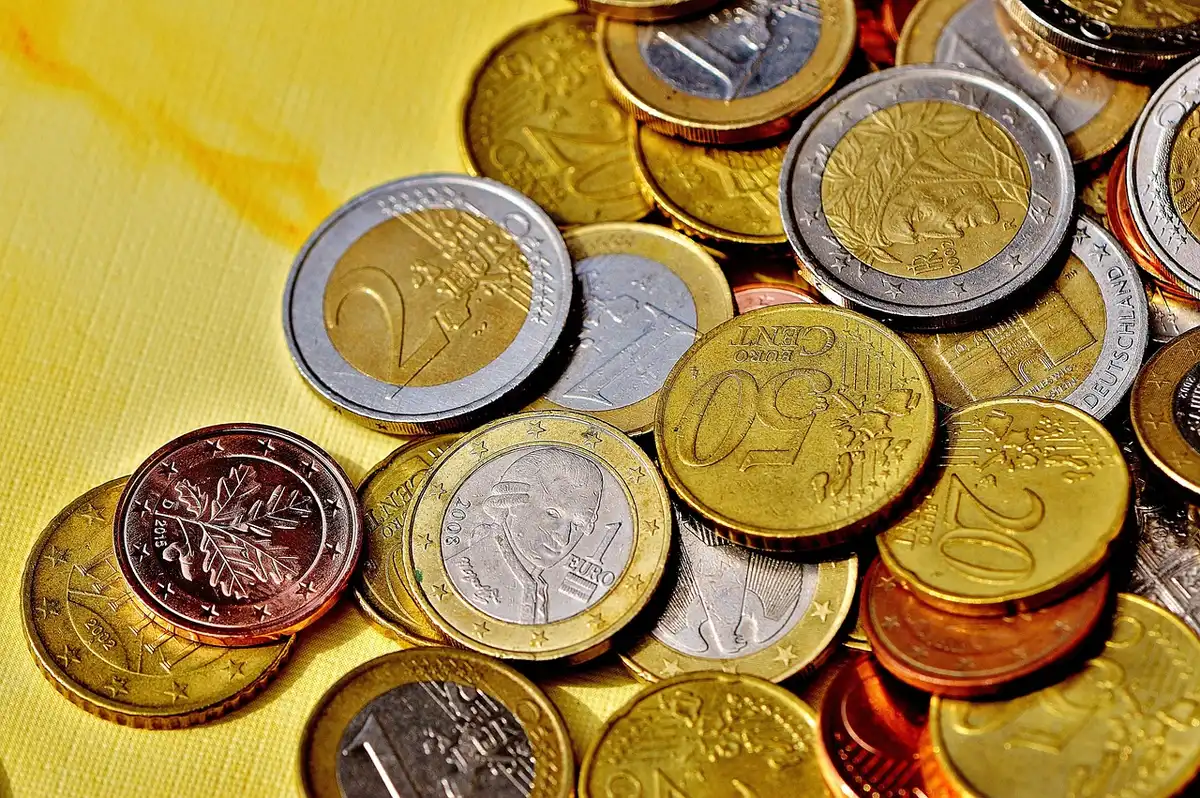
A hobbyist using a metal detector near Cologne unearthed a find that turned out to be far larger than expected: after stopping at 15 silver coins and alerting specialists, archaeologists recovered a hoard of 934 Roman coins — the biggest cache from Emperor Hadrian’s era ever recorded in Germany. The discovery sheds fresh light on Roman-era activity along the Rhine and raises immediate questions about how coins moved and were stored in frontier provinces.
How the find unfolded
A detectorist encountered a small cluster of silver coins and did the right thing: he stopped digging and informed local archaeologists. That prompt action allowed professionals to carry out a controlled excavation before the site could be disturbed further.
Once specialists opened the ground, they uncovered nearly a thousand silver coins, all identified as **Roman denarii**, a common silver denomination in the early 2nd century AD. Preliminary study dates the hoard to the reign of Hadrian, who ruled from 117 to 138 AD.
What the hoard tells us
The scale and composition of the cache make it exceptional for several reasons. First, the total — 934 coins — is unusually large for a hoard specifically linked to Hadrian’s reign in modern Germany. Second, the presence of so many silver denarii in one deposit offers a snapshot of circulating currency on the empire’s northern edge.

Archaeologists are cautious about simple explanations. The hoard could represent savings hidden during a crisis, pay intended for soldiers, a merchant’s reserve, or even a ritual deposit. Each scenario carries different implications for how people lived and worked in Roman frontier zones.
Key facts at a glance
| Item | Detail |
|---|---|
| Location | Near Cologne, Germany |
| Finder | Metal detectorist who reported the initial coins |
| Number of coins | 934 silver denarii |
| Dating | Reign of Hadrian (circa 117–138 AD) |
| Significance | Largest Hadrianic coin hoard recorded in Germany |
Why this matters now
For historians and numismatists, the hoard provides new material to refine understandings of monetary circulation and economy in the Roman provinces. For local communities, it highlights how everyday people and hobbyists can contribute to preserving cultural heritage by involving authorities rather than removing artifacts privately.
There are practical consequences, too. Conservators will need to stabilize and clean the coins, specialists must catalogue each piece, and researchers will analyze die links, mints, and wear patterns to map trade and movement across the frontier. The process could take months, but the results will feed into academic studies and museum displays.
The case also reinforces the value of controlled archaeology: had the detectorist continued digging alone, context and fragile evidence would likely have been lost. In many European countries, prompt reporting of finds is legally required and essential to protect the full historical record.
Next steps
Regional archaeologists are conducting a detailed inventory and conservation program. After scientific analysis, the coins will likely be made available for study by numismatists and — potentially — prepared for public exhibition so that the find can inform both scholarship and broader public understanding of Roman-era life along the Rhine.
Similar Posts
- Karnataka village yields 14 gold coins: soil hints at bigger archaeological find
- War elephants unearthed in Spain: bones tied to 2,200-year-old conflict
- Celtic settlement spanning 62 acres found near Hradec Králové: gold, amber and workshops
- Pompeii Discovery Shocks Scientists: New Clothing Clues Reveal True Vesuvius Eruption Date!
- Gold bars, almost 1,000 coins up for auction in France: lot tops $2 million

Calvin Baxter is an economic analyst specializing in the evolving US labor market. He leverages real data to provide you with concrete recommendations and help you adjust your professional strategies.