

Vietnam’s low-cost frozen whitefish is showing signs of recovery in U.S. markets: shipments to the United States rose about 4% during January–April 2026, a modest but meaningful uptick that could affect supply, pricing and retail availability this year. That shift matters now for consumers stocking freezers and for processors and retailers still adjusting after pandemic-era disruptions.
The increase reflects growing demand for affordable seafood at a time when grocery budgets remain tight. Vietnam is one of the largest suppliers of processed, frozen whitefish—including varieties such as pangasius—that often end up in family-sized packs on supermarket shelves and in foodservice supply chains.
Industry observers say the rebound is likely the result of several intersecting trends: easing logistics and shipping bottlenecks, steady U.S. consumer appetite for inexpensive protein, and efforts by Vietnamese exporters to expand distribution channels. The March–April momentum followed slower months earlier in the year, but the early‑season gains suggest the category is stabilizing.
What this means for shoppers and retailers
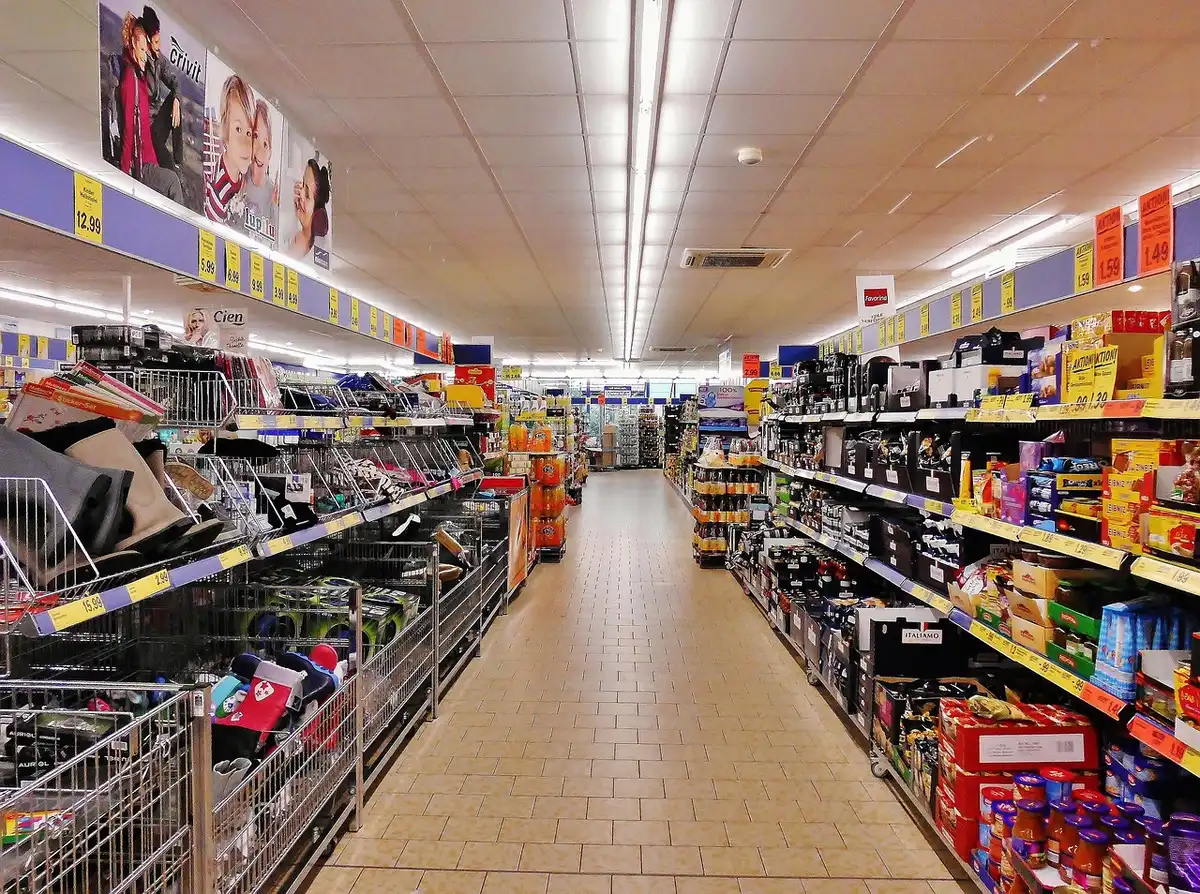
- Availability: Expect more steady inventory of frozen whitefish products in mainstream supermarkets and discount chains as shipments normalize.
- Prices: A modest rise in supply could relieve short-term upward pressure on retail prices, though longer-term movements will depend on fuel, feed and labor costs.
- Private label and value ranges: Retailers chasing price-sensitive shoppers may lean harder on private-label frozen fish offerings, affecting brand-category dynamics.
For Vietnamese processors, the uptick offers breathing room. Increased volume to the U.S. can help plants operate nearer to capacity, improving margins after a period of underutilization. But exporters still face cost headwinds—transportation expenses, currency fluctuations and certification requirements for food safety remain key variables that could influence how much of this early-year growth holds through the rest of 2026.

U.S. buyers also watch for changes in quality standards and labeling. As trade flows recover, retailers and distributors are likely to press suppliers on origin verification and sustainable sourcing practices—criteria that are becoming more important to consumers and procurement teams alike.
Quick snapshot
- Timeframe: January–April 2026
- Change: Shipments from Vietnam to the U.S. up ~4%
- Category affected: Frozen, low-cost whitefish (including pangasius/basa)
While a 4% increase is not a dramatic swing, it signals recovery in a category that matters to price-conscious households and high-volume buyers. The coming months will show whether this is a short-term correction or the start of a steadier climb, as suppliers, shippers and retailers react to shifting costs and consumer demand.
For now, consumers seeking budget-friendly seafood are likelier to find familiar frozen options back on shelves, and merchants will be monitoring whether the modest rebound translates into sustained market improvement through summer and into the holiday season.
Similar Posts
- Tomato prices surge: tariffs and conflict raise costs for BLTs and salads
- April 2026 inflation: what rose and what fell in a single chart
- Supermarket running low on fresh food: neighborhood grocer fights to survive as big chains toss tons
- Gas prices could fall soon if ceasefire holds: experts expect gradual relief at the pumps
- Egg producers hit with $3.3 million settlement in DOJ case over 53 million eggs

Calvin Baxter is an economic analyst specializing in the evolving US labor market. He leverages real data to provide you with concrete recommendations and help you adjust your professional strategies.