
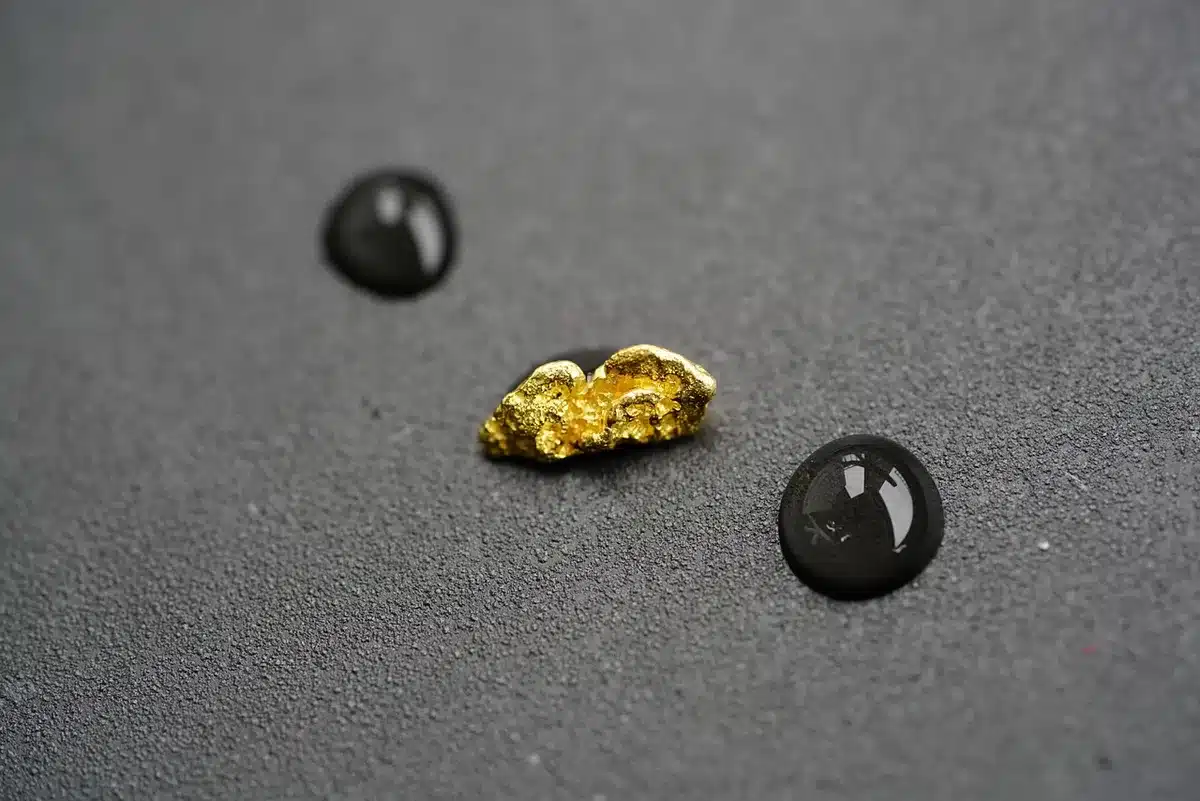
Brazil’s central bank is the custodian of a 134‑pound gold nugget pulled from the infamous Serra Pelada mine, but internal files differ on how much of that lump is actually gold. The mismatch in official entries has renewed scrutiny of how the bank documents and values physical holdings — a matter that could affect reserves accounting and public confidence.
Where the nugget came from and why it matters
The nugget originates from Serra Pelada, the Pará mine that became a symbol of Brazil’s 1980s gold rush and remains a potent national image. For the central bank, objects like this are more than curiosities: they are part of the institution’s broader role in preserving the nation’s monetary assets and reporting on its gold reserves.

That is why a disagreement inside the bank’s own records — rather than an external claim — is significant. Discrepant entries can change the reported weight, purity or estimated market value of the nugget, and by extension affect how the asset appears on official balance sheets.
What could explain the record mismatch
There are several routine and technical reasons why two internal records might not line up:
- Different measurement methods: one entry may record total mass while another logs only the estimated pure gold content after accounting for nonmetallic impurities.
- Varied sampling: assays often analyze a small portion of a specimen; extrapolating from a sample can produce different results than weighing the whole piece.
- Data-entry errors or clerical duplication, especially if older paper files were digitized at different times.
- Cataloging standards: one record might list the nugget by historical provenance, another by commodity classification.
Immediate implications and risks
On its face, a few grams’ difference seems minor. But for central-bank accounting and transparency, any ambiguity invites questions about internal controls. The consequences are practical and reputational:
- Valuation: discrepancies affect the nugget’s reported market value and, marginally, the total sum of bullion holdings.
- Auditability: conflicting records complicate external reviews and independent audits.
- Public trust: high‑profile items tied to national history amplify public interest and political scrutiny.
Given how closely investors watch central-bank balance sheets, even symbolic irregularities can attract attention from markets and oversight bodies.
What observers and officials are likely to do next
Best practice in such cases is straightforward: reconcile the records, commission a full assay of the entire piece, and publish the results. An independent assay would establish both mass and purity and resolve whether the divergence stems from method or mistake.

Beyond that, officials may review internal cataloging procedures, tighten documentation when converting legacy files to digital formats, and clarify how historical items are reported alongside bulk bullion holdings.
Quick facts
- Weight reported: 134 pounds (about 60.8 kilograms).
- Origin: Serra Pelada mine, Pará state.
- Issue: internal records at the central bank list different figures for gold content or valuation.
- Immediate remedies: reconciliation, full physical assay, and transparent reporting.
Why this matters now: with governments and markets sensitive to central-bank transparency, a small artifact can become a test of institutional record-keeping. Watch for an official statement, the results of any independent assay, and whether the bank revises its cited holdings or procedures in response.
Similar Posts
- China gold discovery valued at $85.9B found 2,000m deep: geologists probe if it tops 1,000 tons
- Alaska’s largest gold nugget, 294.1 oz, found in 1998 fetches $750,000
- China uncovers 1,444-ton gold cache worth $150 billion: largest find since 1949
- China gold find tops 1,000 tons, valued at $86 billion: could redraw global supply map
- Gold spikes after Middle East unrest: what investors need to know

Calvin Baxter is an economic analyst specializing in the evolving US labor market. He leverages real data to provide you with concrete recommendations and help you adjust your professional strategies.