
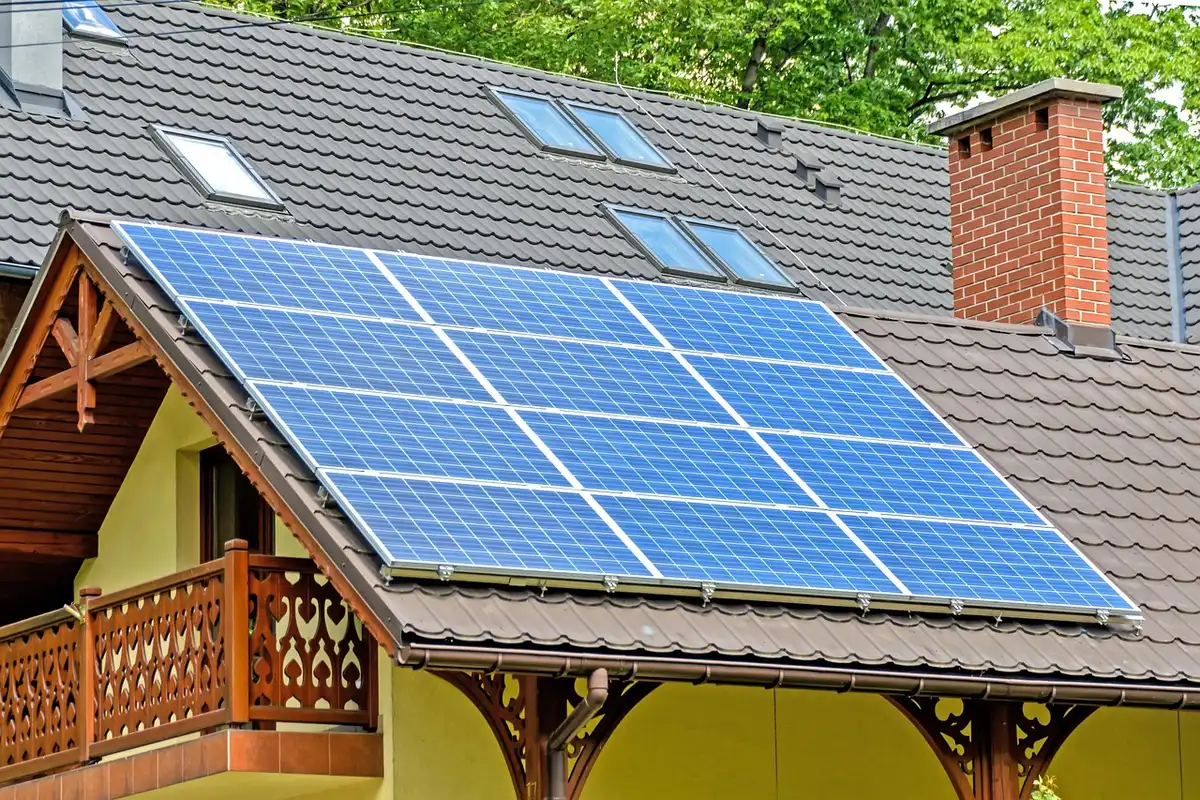
The global market for low‑carbon goods and services has now passed the $10 trillion mark, a milestone that recasts the economic scale of sustainability efforts worldwide. If counted on its own, this collection of clean energy, efficiency, and climate-related industries would sit among the planet’s very largest sectors — reshaping investment, jobs and policy debates almost overnight.
What’s included in the figure
The $10 trillion estimate aggregates activities tied to reducing greenhouse gas emissions and adapting to climate change. That includes the construction and operation of renewable energy systems, energy-efficient buildings and appliances, electric vehicles and charging infrastructure, low‑carbon industrial processes, climate finance products and emerging services like carbon removal and credits.
It does not refer to a single firm or product but to an economic ecosystem: technologies, manufacturing, construction, finance and services that together support a lower‑carbon global economy.
Why this matters now
- Investment flows: Crossing $10 trillion signals major capital is already chasing decarbonization, influencing where banks, institutional investors and venture capital allocate funds.
- Jobs and supply chains: Rapid growth in manufacturing for batteries, solar panels and heat pumps is altering labor markets and international trade patterns.
- Policy leverage: The size of the sector strengthens the case for industrial policy and public support — from subsidies to trade rules — because governments see clear economic stakes.
- Corporate strategy: Large companies must factor the scale of green opportunities and risks into long‑term planning, from procurement to capital expenditure.
- Geopolitics and energy security: Less reliance on imported fossil fuels and more control over critical clean technology supply chains can shift strategic relationships among nations.

Winners, losers and the short-term friction
Growth at this scale creates clear beneficiaries — manufacturers of clean technology, construction firms specializing in retrofits, and financial players offering climate products. Regions that can scale production of batteries, solar cells or key minerals stand to gain industrial advantage.
At the same time, incumbents in fossil fuel extraction and related services face accelerated risk of stranded assets and declining revenues. Communities and workers tied to legacy industries will need targeted support to avoid disruption — a political as well as economic challenge.
Market signals and what to watch next
- Government budgets and policy packages — especially in major economies — that prioritize clean infrastructure and industrial incentives.
- Corporate capex announcements and supply‑chain deals that reveal who is scaling manufacturing capacity for critical components.
- Movements in commodity markets for lithium, nickel and rare earths, which affect costs and timelines for electrification.
- New financial products and regulatory rules around carbon accounting and disclosure, which will influence capital allocation.
The bottom line: hitting $10 trillion is more than a headline figure. It marks a shift in where economic activity is concentrated and where future growth — and risk — will be found. For policymakers, investors and workers, the scale of the green economy changes the calculus for planning, regulation and reskilling in the years ahead.
Similar Posts
- Spain rare-earth mine could meet 33% of Europe’s demand: reshaping green geopolitics
- Spain rare-earth discovery could supply 33% of Europe’s needs: upends green-energy geopolitics
- Historic 16th-century bullets traced to surprising noncombat use
- Man Plans to Save Earth by Nuking Its Crust: Is It Genius or Madness?
- US and Japan pledge $550 billion for lab-grown diamonds: a direct rebuke to China

Calvin Baxter is an economic analyst specializing in the evolving US labor market. He leverages real data to provide you with concrete recommendations and help you adjust your professional strategies.