
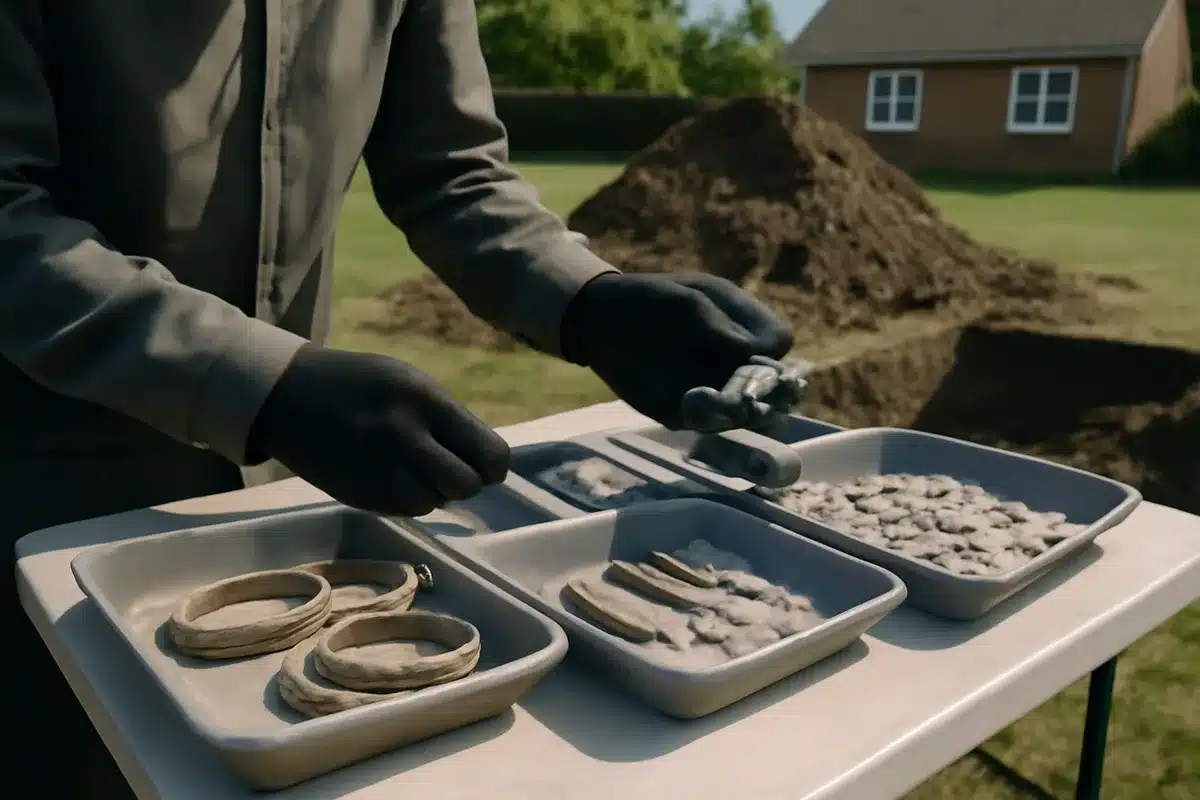
A homeowner installing a backyard patio in northern Denmark has unearthed what researchers say is the largest known Viking silver hoard found in the country — a cache of bracelets, bars and coins weighing about 18.5 kilograms (roughly 41 pounds). Among the find is a silver ingot scratched with a runic word that specialists have not encountered before, a detail that could reshape how scholars read Viking-era inscriptions and economic practice.
What was uncovered
The deposit includes a mixture of arm rings, hacked silver pieces, coins and several ingots. The total mass and composition make this the biggest Viking-era single silver hoard recorded on Danish soil.
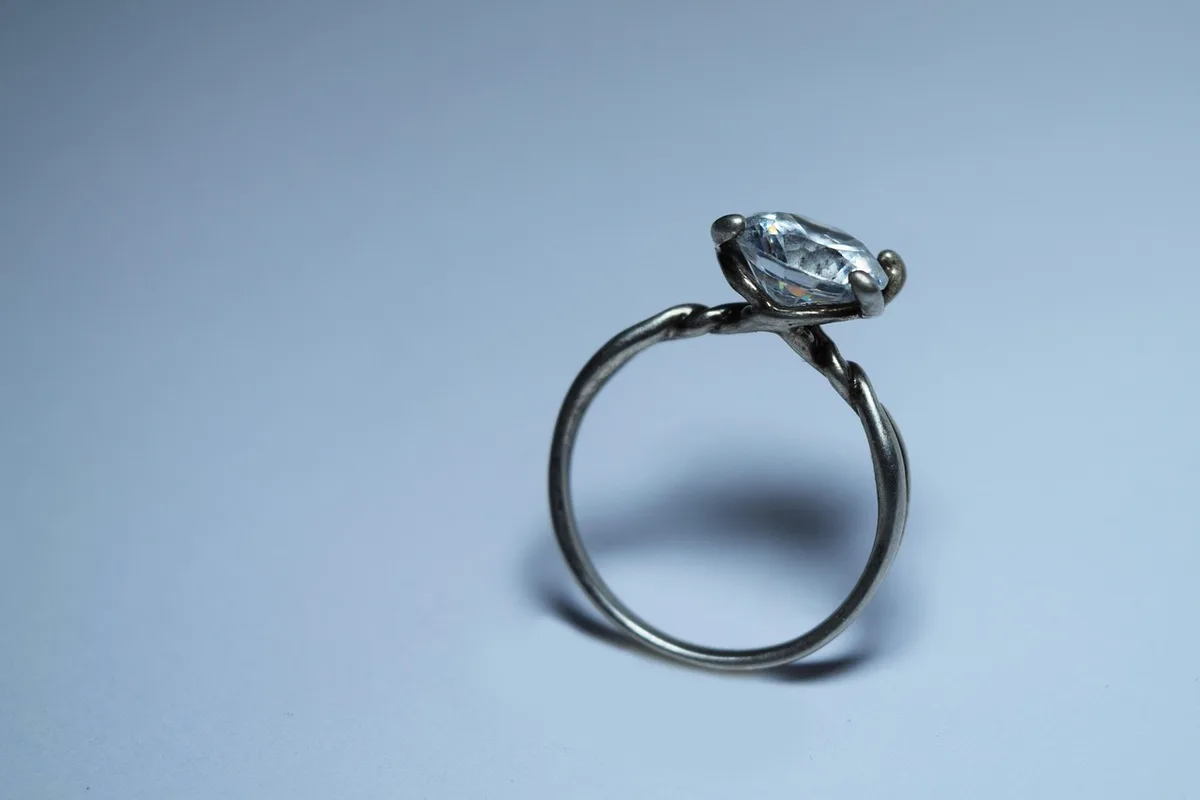
The discovery happened during routine groundworks on private property. The owner alerted local authorities, and archaeologists moved in to document and recover the material under controlled conditions.
- Location: Northern Denmark (exact site withheld during investigation)
- Weight: 18.5 kilograms of silver
- Contents: bracelets, coins, bars/ingots
- Notable feature: an ingot marked with a previously unattested runic word
Why the runic mark matters
Runes appear frequently on Viking-age objects, from memorial stones to portable items, but a newly recorded word can be significant for several reasons. It might represent a personal name, a workshop or owner mark, a monetary term, or even a coded label used in trade.
Philologists and archaeologists are likely to treat the inscription cautiously. Single-word marks are notoriously hard to interpret without corroborating finds, but every new example expands the dataset researchers use to map linguistic variation, naming practices and commercial behavior across the Norse world.
Broader implications
Large hoards like this one shed light on Viking-period economies, where silver functioned more often as bullion than coinage. The mix of hacked pieces and complete items is typical of bullion economies, where metal weight mattered more than minted faces.
Beyond economics, the hoard may inform questions about where the silver originated, how it circulated, and why people buried such wealth—whether as ritual offerings, emergency savings, or merchant stock temporarily concealed.
Conservation and metallurgical analysis will be essential next steps. Chemical and isotopic tests can point to ore sources and trade links, while numismatic study of any identifiable coins will provide tighter dating for the deposit.
What comes next
Authorities have secured the find for conservation and research. Specialists will clean, stabilize and analyze the objects, a process that can take months. Results from laboratory tests and epigraphic study of the runic sign will determine how this discovery is integrated into the larger picture of Viking activity in Scandinavia.
For now, the hoard offers a vivid reminder that significant archaeological finds still emerge from everyday work at private sites — and that even a single scratched word can open new lines of inquiry into the past.
Similar Posts
- Roman denarii: 934 coins unearthed near Cologne in Germany’s largest Hadrian-era hoard
- Gold bars, almost 1,000 coins up for auction in France: lot tops $2 million
- Karnataka village yields 14 gold coins: soil hints at bigger archaeological find
- $80 Million Coin Collection? Find Out How to Spot Rare Coins Now!
- Celtic settlement spanning 62 acres found near Hradec Králové: gold, amber and workshops

Calvin Baxter is an economic analyst specializing in the evolving US labor market. He leverages real data to provide you with concrete recommendations and help you adjust your professional strategies.