
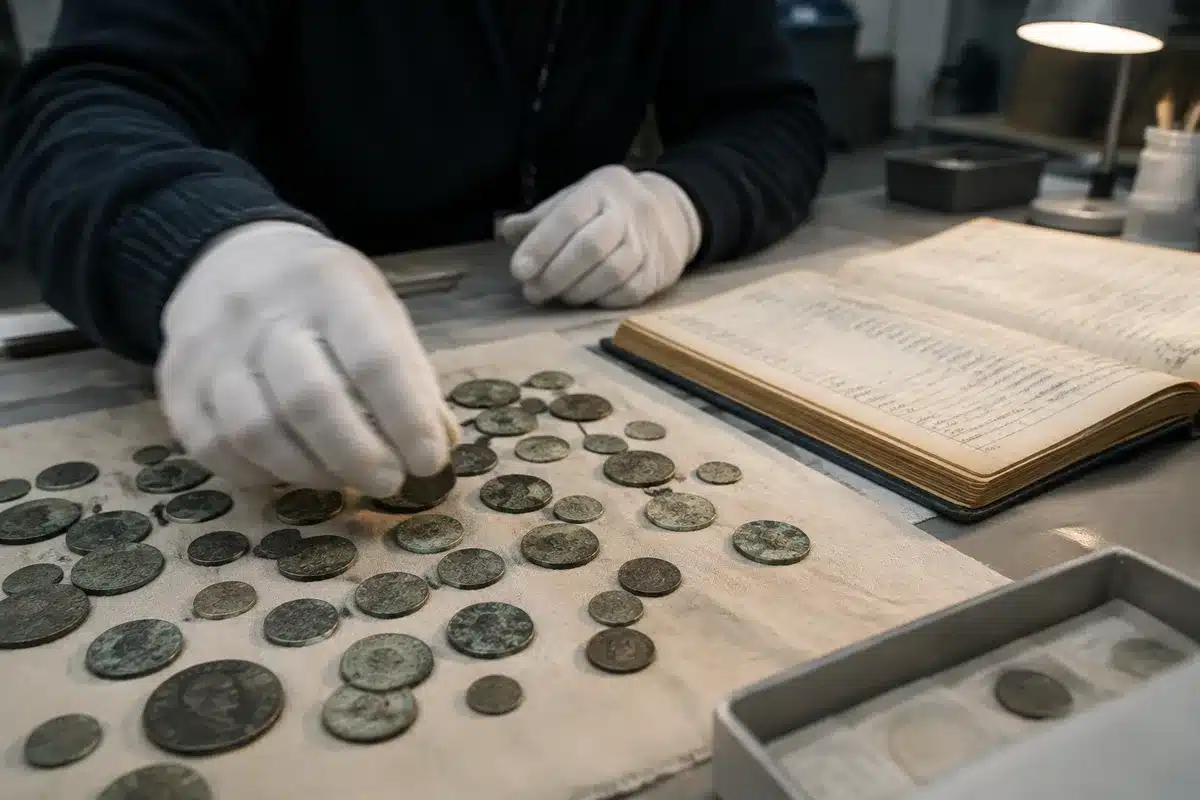
In 1988 a diver surfaced with evidence of a long-lost cargo of gold from a vessel that sank in 1857 — and what began as a high-profile salvage triumph turned into a decade-long legal and personal catastrophe. The finder ultimately served more than 11 years behind bars in a case centered on the disappearance of roughly 500 coins, which to this day have not been accounted for.
The story matters now because it highlights persistent tensions between private treasure hunters, public authorities and the law governing shipwrecks — and because the unresolved fate of the coins still raises questions about evidence handling, ownership and cultural stewardship.
Discovery, dispute and the missing coins
When the wreck was located in 1988, the salvage promised a remarkable haul: coins and other valuables dating to the mid-19th century. The find attracted immediate attention from collectors, museums and legal authorities eager to determine who had legal claim to the cargo. Instead of a clean payout and historical rescue, the episode devolved into courtroom battles and criminal prosecution.

Authorities later alleged that a portion of the recovered material — including an estimated 500 gold coins — vanished from custody. The diver who led the discovery was convicted in connection with the missing items and spent over 11 years in prison. The coins themselves remain unlocated, fueling speculation and continuing debate about how maritime finds are handled.
Why this case still matters
The practical stakes are clear: lost or concealed artifacts can amount to criminal offenses, but they also complicate legal claims over wrecks and threaten historical preservation. For families, miners and museums, the costs are more than financial. Long investigations and prosecutions can consume lives and leave cultural objects inaccessible to researchers or the public.

- Chain of custody: The case underscores how fragile evidence can be once artifacts leave a wreck site, and how gaps can make prosecutions messy.
- Ownership disputes: When a private party finds a wreck, questions arise about whether he or she, the state or original insurers hold title to the material.
- Preservation vs. profit: Public interest in conserving maritime heritage can clash with commercial salvage operations incentivized by high-value finds.
- Legal deterrence: Long prison sentences signal consequences for concealment, but they do not necessarily solve systemic problems in oversight and regulation.
A number of maritime lawyers say high-value wrecks tend to attract complex litigation, and that this case became an emblematic example — not because it was the only such dispute, but because the missing items and the protracted punishment captured public imagination.
At the same time, historians lament that artifacts tied up in legal fights are effectively removed from scholarship. Coins, in particular, can provide precise chronological and economic context for ship losses. Until the vanished items are recovered — or formally accounted for — scholars and curators are denied that evidence.
Lessons for recoveries going forward
The episode offers several practical takeaways for anyone involved in ocean salvage today. Rigorous documentation at the point of recovery, transparent reporting to authorities, and clear agreements about ownership and conservation can reduce the risk of disputes. Courts and regulators also face pressure to balance enforcement with mechanisms that keep artifacts available for study and public display.
But even with improved protocols, the human dimension remains: finders can lose years of their lives to criminal proceedings, while recovered objects may never be shared with the public. That unresolved tension — between discovery and disclosure, profit and preservation — keeps this case relevant to policymakers and maritime professionals.
The missing coins are a concrete reminder that shipwrecks connect past and present in ways that are legally and ethically complicated. Until those pieces reappear, the case will live on as both a cautionary tale and an unsolved chapter in maritime history.
Similar Posts
- Karnataka village yields 14 gold coins: soil hints at bigger archaeological find
- Roman denarii: 934 coins unearthed near Cologne in Germany’s largest Hadrian-era hoard
- Roman gold hoard uncovered in Luxembourg field: hidden fortification buried for 1,600 years
- Ancient Vulture Nests Reveal 750-Year-Old Shoe: Discover Hidden Human Artifacts!
- Retro computer trove discovered in old farmhouse: 2,200 machines, 22-ton lot sold on eBay in days

Calvin Baxter is an economic analyst specializing in the evolving US labor market. He leverages real data to provide you with concrete recommendations and help you adjust your professional strategies.