

A 9-year-old boy touring a castle in Poland recently discovered a small silver coin that heritage officials say dates back roughly 400 years. What might look like pocket change to a visitor is now being treated as a window into how ordinary people bought and sold goods centuries ago.
Conservators and museum staff described the find as modest in size but rich in context: the coin’s wear, marks and metal can reveal patterns of trade, wages and everyday spending that rarely show up in official records. It was handed over to local heritage authorities for cleaning and detailed study.
Why this matters now
Finds like this resonate beyond curiosity. They reconnect the public with the tangible traces of daily life in the past, shape conservation priorities at historic sites, and often prompt renewed interest in local museums and educational programs.
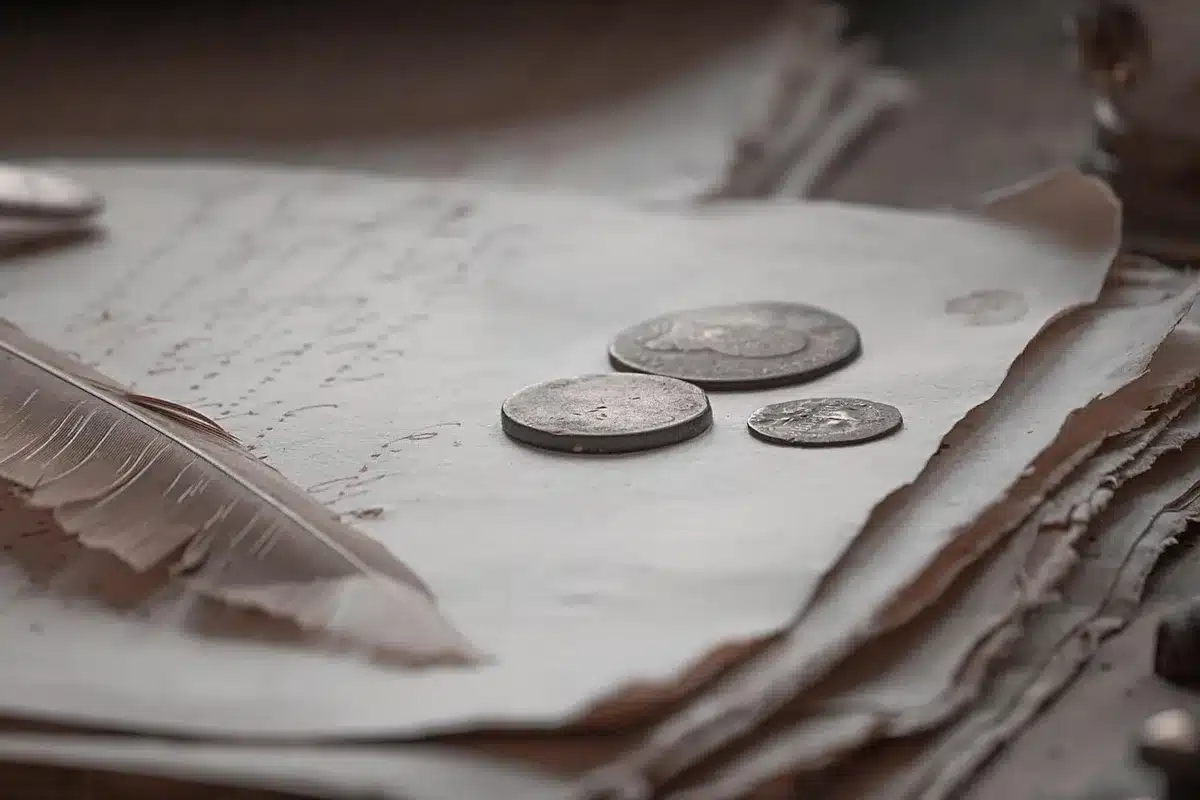
Heritage officials emphasized that such discoveries are not only about numismatic value. A common coin can tell a different story than a palace inventory or legal document — one focused on the routines, choices and mobility of ordinary people.
- Metal composition — analysis can show where the silver came from and hint at trade links.
- Wear patterns — smoothing and nicks indicate how long the coin circulated and what kinds of transactions it saw.
- Mint marks and inscriptions — these provide dating clues and connections to rulers or mints.
- Context of discovery — where exactly the coin was found within the castle helps archaeologists build a narrative about who used the space.
Researchers plan to document the coin with photography, stabilize any corrosion and run non-destructive tests to learn more before deciding its long-term home. That process may take weeks to months, depending on the conservation needs and the tests chosen.
For the young finder, the experience is also educational — a moment that can spark interest in history and heritage. For the public, the incident is a reminder that historic sites continue to yield surprises, and that small objects often offer the clearest glimpses into everyday life.
What experts look for next
Investigators will compare the coin’s features to regional collections and published catalogues to narrow its origin and date. They will also consider how similar coins circulated in the region and whether this piece fits broader economic patterns from roughly four centuries ago.
Even without dramatic headlines, this discovery matters: it subtly reshapes our understanding of how people lived, worked and exchanged value at a time when most surviving records reflect the lives of elites rather than ordinary households.
Similar Posts
- Finland silver hoard found by detectorist: museum says Viking-era tag isn’t proof of ownership
- Roman denarii: 934 coins unearthed near Cologne in Germany’s largest Hadrian-era hoard
- Roman gold hoard uncovered in Luxembourg field: hidden fortification buried for 1,600 years
- $14,000 Coin Found in Circulation: Check Your Wallet for This Rare $1 Treasure!
- Massachusetts coin hoard: 82 international coins unearthed, 1764 Mexican gold worth $10,000

Calvin Baxter is an economic analyst specializing in the evolving US labor market. He leverages real data to provide you with concrete recommendations and help you adjust your professional strategies.