
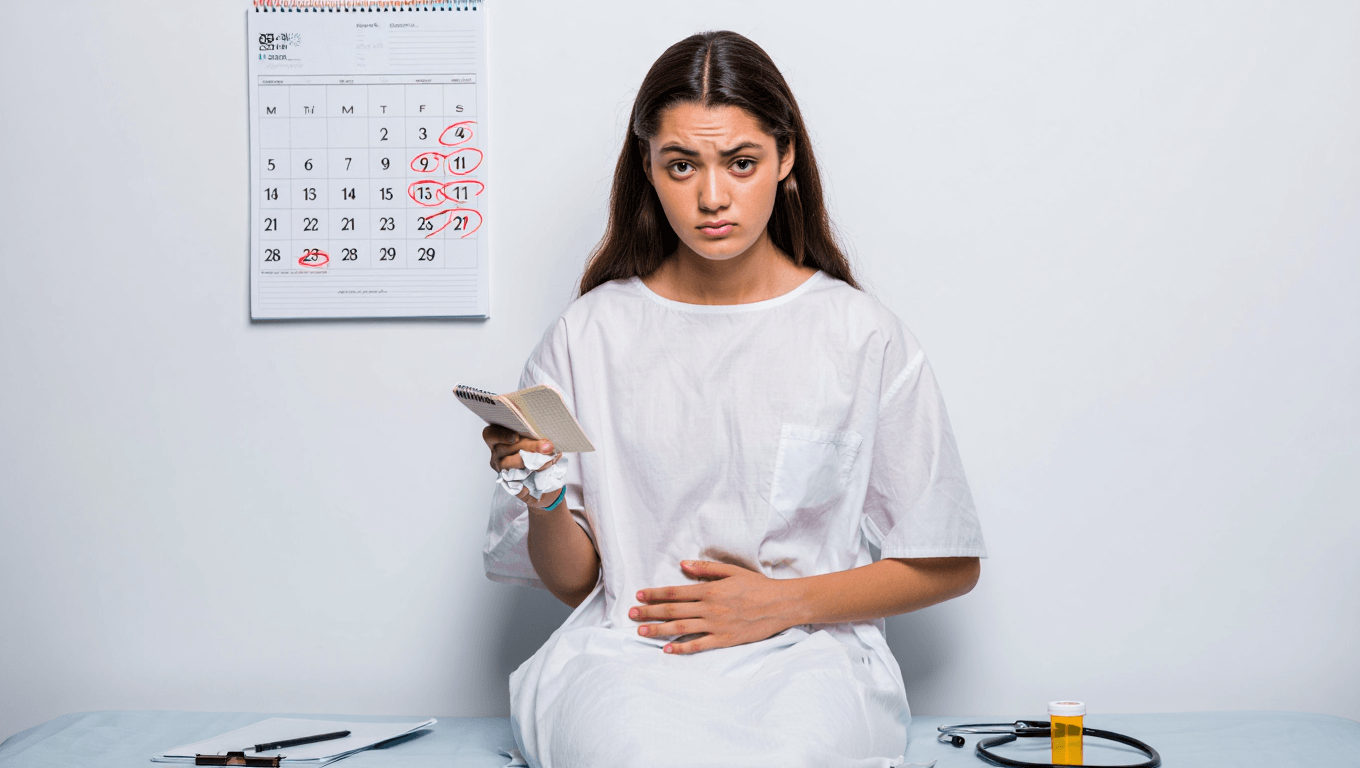
After nearly seven years of unexplained hives, fatigue and stomach upset that doctors repeatedly shrugged off, I finally landed on a diagnosis that changed everything: progestogen hypersensitivity, a rare immune reaction to progesterone. My experience exposes how hormone-driven conditions can be misread as anxiety, delay effective care and carry serious consequences for fertility and safety.
When symptoms won’t be explained away
Morning after morning I woke feeling unwell—nauseous, exhausted and unbearably itchy. Hives would erupt across my face, neck and chest, then spread down my body. Prescription antihistamines and ER visits offered little relief, and more than once clinicians suggested my symptoms were psychosomatic.
I lost weight, my appearance changed, and everyday foods sometimes left me feeling like I had food poisoning. For years I quietly blamed my own anxiety and obsessive tendencies, even as the pattern continued.
Pattern recognition that finally mattered
The turning point came when I noticed a monthly rhythm to the illness. Symptoms eased around my period but worsened around ovulation and during the luteal phase—when progesterone rises. That pattern pushed me online to search for phrases I had been too embarrassed to say aloud.
One of the first authoritative pieces I found was a 2024 overview from the National Organization for Rare Disorders, which described what it called progestogen hypersensitivity—an immune response to natural progesterone or to synthetic progestins used in contraceptives and fertility treatments.
Diving into a diagnosis
Further reading showed overlap with terms like autoimmune progesterone dermatitis. I learned that symptoms can appear at any time during a woman’s reproductive years and range from cyclic rashes and hives to systemic signs such as fever, joint pain and even anaphylaxis in severe cases.
My history offered a possible trigger: while in college I was put on a progestin-only birth-control pill after a diagnosis of polycystic ovarian syndrome. The course was brief, but in sensitive people even short exposure can, experts say, sensitize the immune system.
Late last year an allergist finally validated what I had suspected. The diagnosis explained a lot—why I had been dismissed, why my mental health had deteriorated in tandem with my physical symptoms, and why pregnancy now carried new risks.
I felt a mix of relief and grief: relief that the symptoms had a name, grief for fertility uncertainties and anger over years of medical gaslighting that wasted time, money and emotional energy.
What patients and clinicians should know
This condition is described in medical literature as rare—fewer than 200 reported cases—but many clinicians and patients argue it’s underdiagnosed because symptoms are cyclical and easily attributed to stress. Research is limited, which makes finding willing specialists difficult.
- Common signs: cyclic hives or dermatitis, low-grade fevers, gastrointestinal upset, fatigue, mood changes and chest tightness timed to the luteal phase.
- Potential triggers: exposure to progestins (including progestin-only pills), pregnancy, or onset of regular ovulatory cycles.
- Diagnostic challenges: standard allergy testing may not identify the problem; diagnosis often depends on clinical history and timing of symptoms.
- Treatment landscape: approaches reported by patients include symptomatic management, hormonal suppression, desensitization protocols in specialized centers, and, in some cases, hysterectomy—described in the literature as a definitive but irreversible option.
Why this matters now
As awareness of hormone-driven immune disorders grows, timely recognition is important for both quality of life and reproductive planning. Misdiagnosis can prolong suffering and, in some cases, increase risks during pregnancy. For many patients, the path to answers means persistent self-advocacy.
Clinicians who dismiss cyclical symptom patterns as purely psychiatric may miss an underlying biological cause. That gap has real consequences: delayed diagnosis, ineffective treatments and, for some, avoidable complications.
Moving forward
I’m taking time to process choices and weigh options. Several regional specialists declined to manage my case because it’s uncommon, and that experience illustrates broader gaps in care for rare women’s health conditions.
Still, receiving a diagnosis felt like a crucial corrective. I no longer have to carry the self-doubt that came with years of being told I was “overreacting.” I know now to listen to my body and to press for answers when symptoms don’t fit neat explanations.
My last insight is simple and practical: keep records. Track symptom timing, treatments tried and any potential hormonal triggers. If clinicians won’t listen, bring a trusted advocate to appointments and seek a second—or twentieth—opinion. For conditions that intersect hormones, immunity and reproductive health, persistence can make the difference between years of unanswered suffering and a pathway to care.
Similar Posts
- GLP-1 misuse linked to serious harm in people with eating disorders: study
- Do Tattoos Harm Your Immune System? What the Latest Research Reveals!
- PMS Transformation Explained: Why You Feel Like a Different Person Every Month
- Doctors warn after bizarre cases of patients swallowing nonfood objects
- Gen Z turns to breaking facial bones for beauty: experts warn of permanent harm

Miles Harper focuses on optimizing your daily life. He shares practical strategies to improve your time management, well-being, and consumption habits, turning your routine into lasting success.