
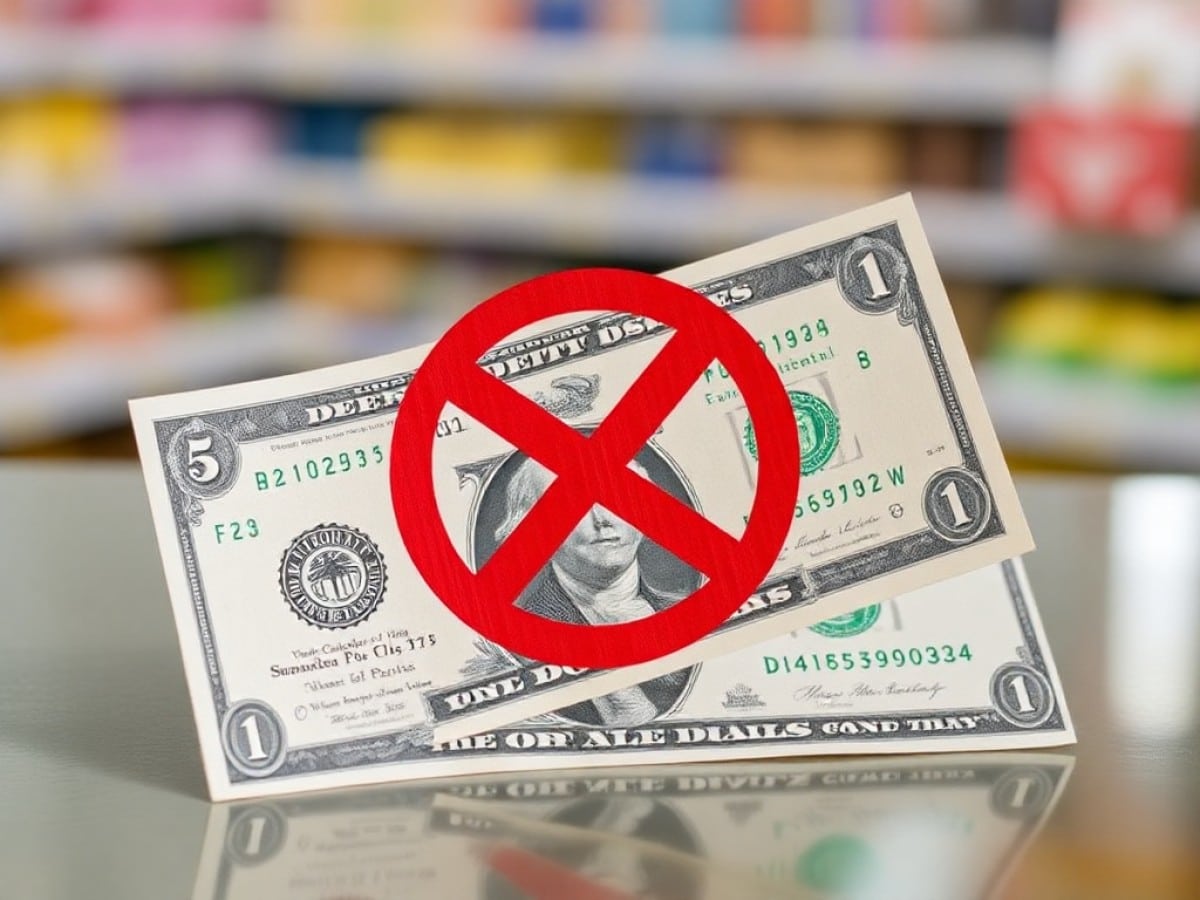
Bidding Farewell to Certain Dollar Bills — Supermarkets to Decline Them Based on This Criterion
In a significant shift, various grocery outlets have announced they will no longer accept certain types of dollar bills. This change affects bills that are excessively worn or damaged, potentially complicating transactions for shoppers unaware of the new policy.
Understanding the New Policy
Starting next month, numerous well-known grocery chains will implement a policy where dollar bills that are significantly torn, overly wrinkled, or otherwise visibly deteriorated will be rejected at the checkout. This decision comes in response to difficulties in handling and processing these damaged bills, which can cause delays and operational issues at registers.
Criteria for Dollar Bill Rejection
The criteria for rejecting dollar bills include severe tears, heavy wrinkles, and any form of mutilation that makes the bills difficult to recognize or process. Stains and marks that obscure important details of the bill, such as the serial number or security features, will also lead to rejection. Grocery stores are advising customers to inspect their cash before shopping to ensure a smooth checkout experience.
Impact on Consumers
This new policy might inconvenience some consumers, particularly those who rely heavily on cash transactions rather than digital payments. People accustomed to using cash for their daily transactions may find themselves in a bind if their money is not in reasonably good condition. Senior citizens and individuals without access to banking services, who often depend more on cash, might be disproportionately affected.
Preparing for the Change
Grocery stores are gearing up for this transition by informing customers through various channels. Signs are being posted at entrances and registers, and announcements are being made through store PA systems. Additionally, customer service desks will provide information and assistance to help shoppers understand and adapt to the new policy.
Why the Change is Necessary
Store representatives explain that handling damaged bills often slows down transactions, affecting service efficiency and overall customer experience. Modern automated systems used for cash handling and deposits also have trouble accepting and processing worn-out bills, leading to further complications.
Advice for Shoppers
Shoppers are encouraged to check their dollar bills before visiting the store and possibly exchange heavily damaged notes at a bank. Banks typically accept worn bills and can replace them with newer ones, ensuring smoother transactions at stores. Additionally, exploring alternative payment methods such as debit cards, credit cards, or digital wallets could be beneficial.
As this new policy rolls out, both consumers and stores are bracing for a period of adjustment. By preparing in advance and staying informed, shoppers can navigate these changes with minimal disruption to their routine shopping experiences.
Similar Posts
- Credit card surcharges and cash rounding quietly raise what you pay at checkout
- Say Goodbye to the Iconic $100 Bill: Find Out Its Final Use Date!
- Tomato prices surge: tariffs and conflict raise costs for BLTs and salads
- Cash App Gives Away $2,500: Claim Your Share Before It’s Too Late!
- Massive Cash App Settlement Confirmed: Act Now to Claim Over $2,000 Fast!

Calvin Baxter is an economic analyst specializing in the evolving US labor market. He leverages real data to provide you with concrete recommendations and help you adjust your professional strategies.