
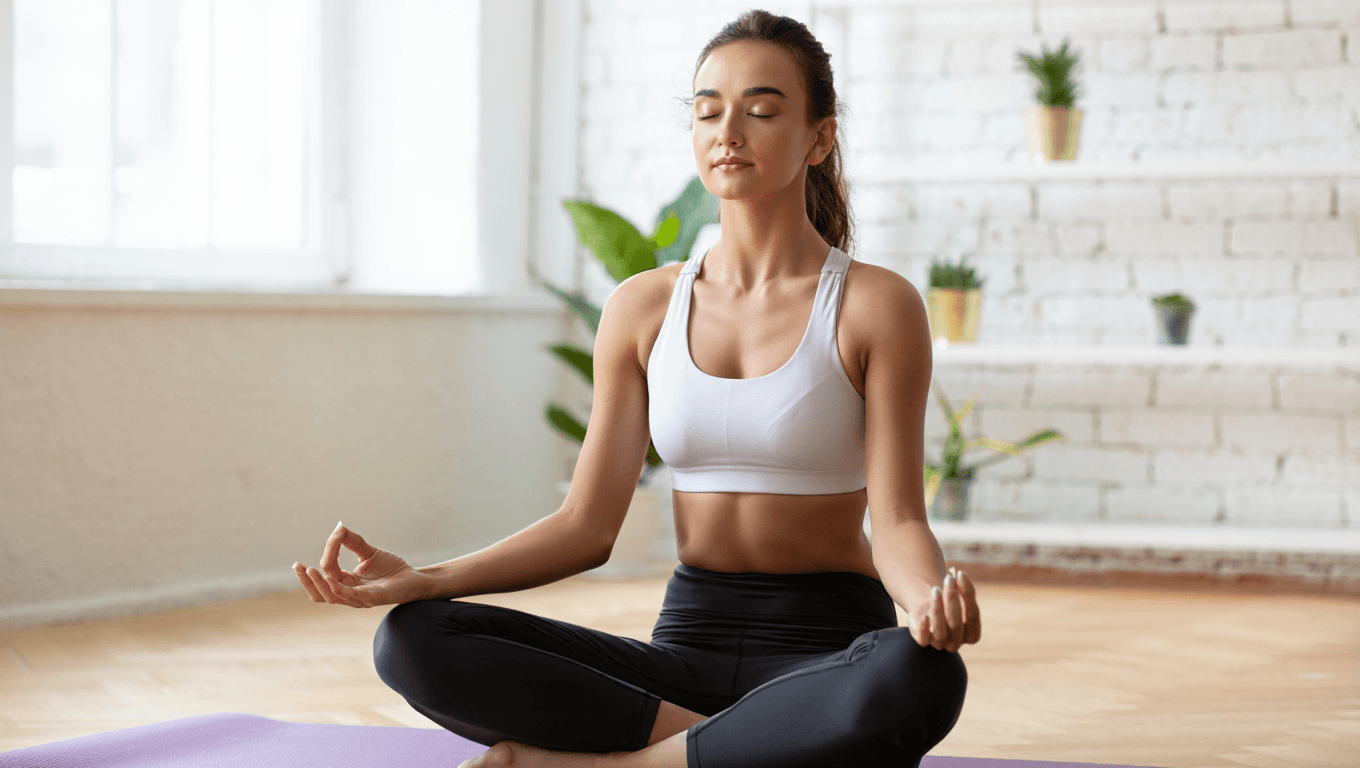
As stress and screen time surge, many people are turning to yoga not for calories burned but for steadying the mind. Newcomers who treat it only as a workout may miss the practice’s deeper benefits—starting with simple shifts in how you approach it.
Below are practical, beginner-ready reminders from experienced teachers on what matters most when you unroll a mat for the first time.
Know where yoga began—and why it still matters
Yoga’s roots go back thousands of years in South Asia and originally centered on uniting attention and awareness rather than building muscle or flexibility. Timothy Burgin, founder of YogaBasics.com and a veteran teacher, notes that the Sanskrit root often translated as “yoga” points to joining or bringing together—an idea that frames the practice as mental and spiritual work as much as physical.
Seen this way, yoga becomes less about achieving a particular body and more about an ongoing method for calming the mind and improving how you respond to stress. That perspective changes what success looks like on the mat.
Flexibility is a result, not a requirement
One of the most persistent myths is you must be limber to begin. That’s backwards: increased range of motion tends to follow regular practice. Many teachers recommend slowing down and using breath to release tension rather than forcing deeper positions.
Beginners often start with tight hips, neck stiffness, or limited hamstring mobility. Burgin says his own early practice began from serious stiffness; over time, steady practice and attention to relaxed breathing produced measurable gains.
Sitting with discomfort is part of the training
Stillness can feel unexpectedly difficult—and that difficulty is not a sign you’re failing. Learning to remain present with physical or mental discomfort is central to the discipline. It translates off the mat, helping people tolerate anxiety, boredom, or difficult feelings more effectively.
If long seated holds or silent meditations are overwhelming, choose classes that move. Styles such as vinyasa or breath-centered flows provide continuity and make building tolerance for stillness gradual rather than abrupt.
Create a kindness-first practice
Self-criticism is common among new students. But studios are usually low-key environments: most people are focused on their own practice, not evaluating anyone else. Yoga culture tends to reward patience—teachers and fellow students expect and accept beginners.
If public classes feel too exposing, start at home. Online classes and guided flows allow you to learn privately and at your own pace until you feel comfortable joining a group.
Reframe yoga beyond “exercise”
Viewing yoga solely as a fitness routine can turn it into another task on a to-do list and run counter to its broader aims. Many people continue because it brings improved calm, energy, and clarity—benefits that aren’t captured by standard workout metrics.
Burgin points to traditional sources that define yoga as quieting the restless activity of the mind; in that sense, the physical postures are an entry point, and the breath is the primary tool.
- Begin where you are: don’t delay practice because you think you’re not “ready.”
- Prioritize breath over depth: use slow inhales and exhales to unwind tension.
- Choose a style that fits you: movement-heavy classes suit restless beginners; slower practices develop stillness.
- Be patient: flexibility and focus improve gradually with consistency.
- Practice without judgment: treat the mat as a private lab for noticing and adjusting, not performing.
Start small—five to ten minutes a day—and build from there. The earliest gains are often mental: better attention, reduced reactivity, and a steadier sense of presence. For people navigating high pressure, persistent worry, or long hours at a desk, those changes are immediately useful and sustainable.
Similar Posts
- Sex life boost: therapist-backed moves to try now
- Rope bondage gains steam as couples rebuild intimacy, experts say
- Money Worries May Age Your Heart Faster Than Disease: New Study Reveals
- Feeling Wrecked After Hanging Out? Here’s Why: The Friendship Hangover Explained
- Main character walks trend is helping people build confidence: how to try it today

Miles Harper focuses on optimizing your daily life. He shares practical strategies to improve your time management, well-being, and consumption habits, turning your routine into lasting success.