
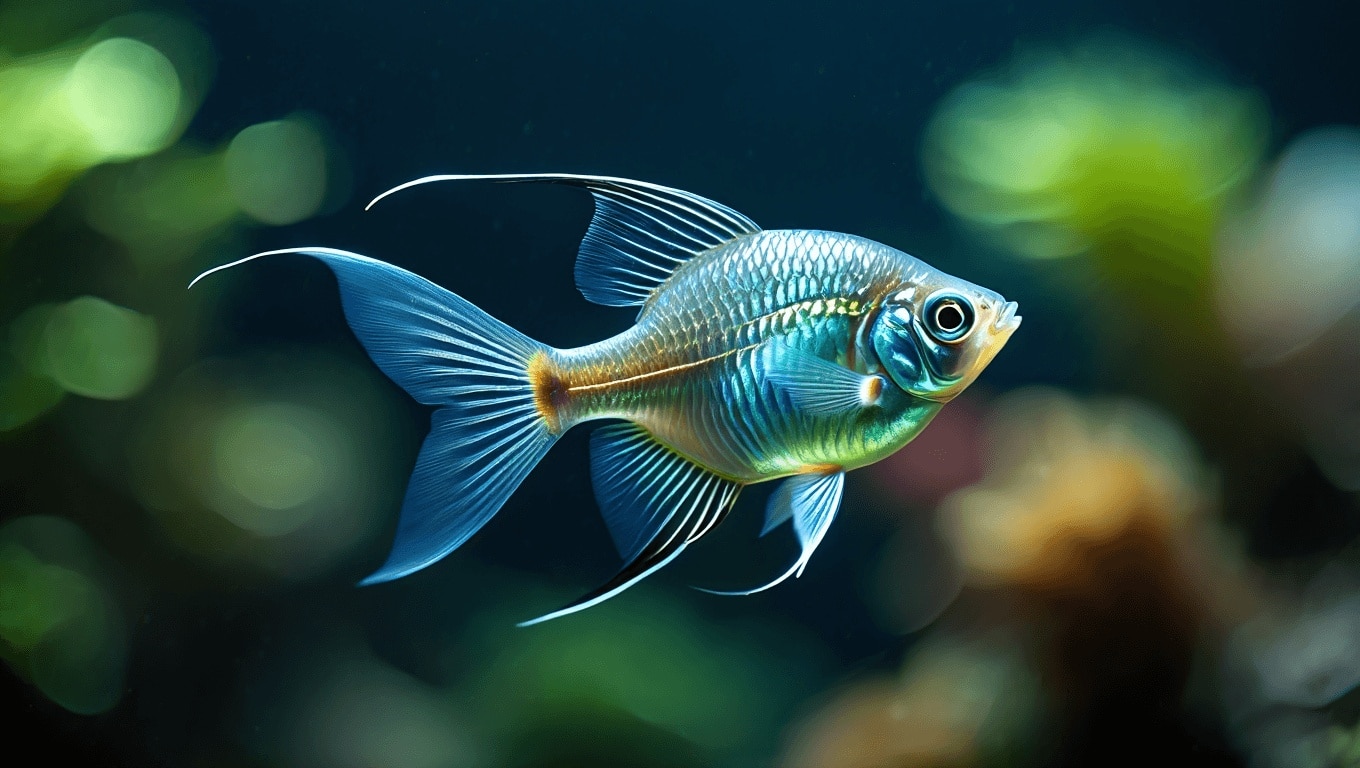
The Amazon molly has a reproductive trick that reads like science fiction: females produce viable offspring that are genetic copies of themselves after mating with males of related species, yet the lineage has avoided the long-term genetic decay scientists expected. A new study published in Nature and reported by National Geographic reveals how these fish sidestep the usual pitfalls of cloning—and why that matters for biology and medicine today.
The fish, native to parts of Central America, arose roughly 100,000 years ago through a hybrid event between two molly species. From that cross came a lineage that reproduces by a process called gynogenesis: females mate with males from other species, but the male genetic material does not contribute to the embryo. The mating interaction simply triggers the egg to develop into a new fish that is genetically maternal.
How they avoid genetic collapse
Conventional thinking holds that strictly asexual lineages accumulate harmful mutations over generations because they lack the genetic reshuffling that sexual reproduction provides. That accumulation—called mutational load—tends to weaken populations and can eventually lead to extinction.
Researchers sequenced genomes from multiple Amazon mollies and discovered a different strategy at work. Instead of relying on genetic recombination between two parents, these fish use a mechanism known as gene conversion to repair damaged DNA. In essence, one chromosome can copy a short stretch of sequence onto its partner, overwriting deleterious variants and restoring healthier versions of the gene.
That copying doesn’t create the same breadth of variation produced by sex between unrelated parents, but it does provide a way to remove harmful mutations and maintain genomic integrity across generations—an evolutionary workaround that keeps the species viable far longer than theory predicted.
What scientists found and why it’s important
The study provides the clearest genomic evidence to date that an asexual vertebrate can persist by using repair-oriented molecular mechanisms rather than classical recombination. For researchers, this changes how we think about the limits of asexual reproduction and opens new avenues for studying genome maintenance.
| Feature | Amazon molly |
|---|---|
| Reproductive mode | Gynogenesis (female-driven development after mating) |
| Origin | Hybridization between two molly species ~100,000 years ago |
| Genetic maintenance | Gene conversion repairs and replaces damaged DNA segments |
| Broader relevance | Insights for crop genetics, disease research, and evolutionary theory |
Practical implications reach beyond ichthyology. Understanding how cells selectively copy and replace DNA segments to purge harmful changes could inform plant breeding strategies that aim to preserve desirable traits without genetic mixing, and it may shed light on how rapidly dividing cells—such as cancerous tissues—manage or fail to manage mutation accumulation.
Scientists caution that gene conversion is not a magic bullet that creates the same adaptive potential sex provides. The Amazon molly’s approach limits the introduction of novel, beneficial variation that sexual recombination supplies. Still, the fish demonstrate a viable alternative to sex for long-term survival under some conditions.
Future work will test how widespread similar mechanisms are in other asexual organisms and whether components of that repair system can be leveraged in agriculture or medicine. For now, the Amazon molly stands as a rare, working example of nature finding a middle path between cloning and classic sexual reproduction.
Similar Posts
- Animal reproduction: 9 species with shocking breeding tactics
- Y Chromosome Vanishing: What Does This Shocking Revelation Mean for Us?
- Dinosaur Mating Battles Unlock Gender Secrets: Discover How!
- Octopus mating: males risk death with extreme reproductive tactics
- Secrets Unveiled: Why Orange Cats Boast Their Vibrant Coats!

Miles Harper focuses on optimizing your daily life. He shares practical strategies to improve your time management, well-being, and consumption habits, turning your routine into lasting success.