
In 1998, a bulldozer operator working near Ruby, Alaska uncovered what would become the state’s largest recorded gold nugget — a single mass weighing 294.1 troy ounces that later fetched $750,000 at sale. The discovery is a sharp reminder of Alaska’s still-active placer-mining landscape and the occasional, high-profile finds that capture collectors’ and historians’ attention.
How the nugget turned up
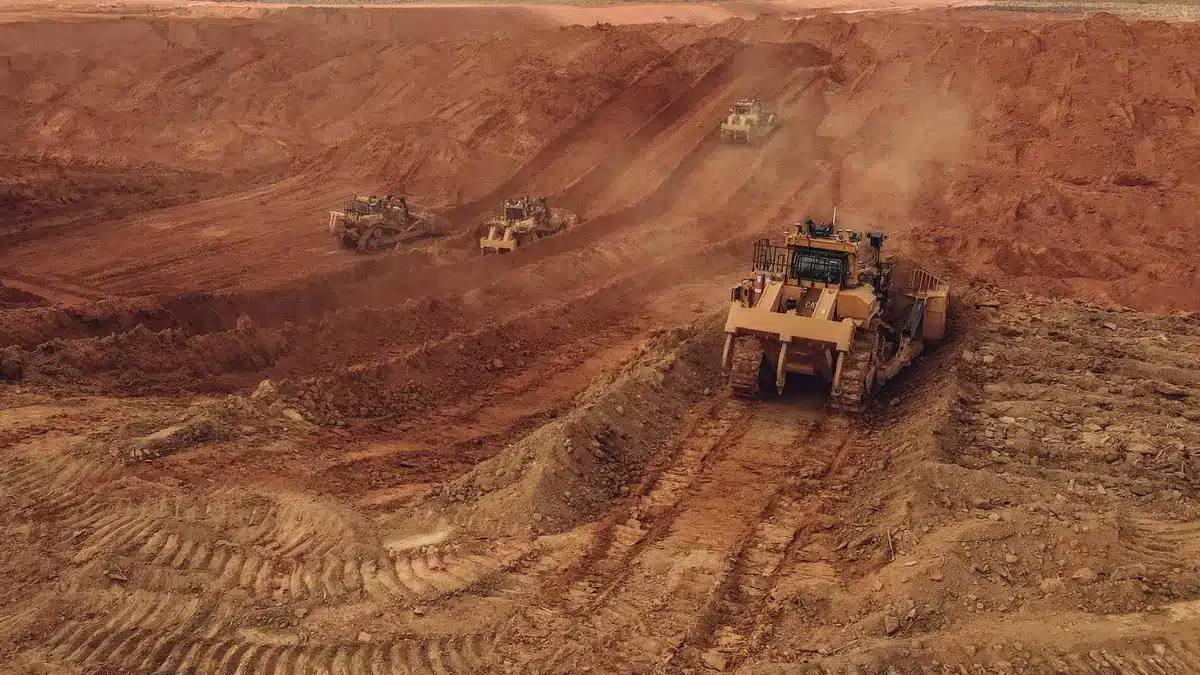
A miner pushing earth with heavy equipment noticed an unusual glint in a pile of disturbed material and stopped to investigate. The object was extracted and identified as a massive gold lump, not a typical speck or flake from placer operations but a consolidated mass large enough to be noteworthy statewide.
The nugget’s size made it stand out immediately. At 294.1 troy ounces, it is officially recorded as the largest found in Alaska, a state with a long history of gold discoveries dating back to the 19th-century rushes.
- Location: near Ruby, Alaska
- Date discovered: 1998
- Weight: 294.1 troy ounces (about 9.15 kg or roughly 20.17 pounds)
- Sale price: $750,000
- Implied price per troy ounce: about $2,550
Why this matters now
Large nuggets are rare and often draw attention beyond the mining community: they become part of regional lore, can boost interest in local tourism, and occasionally prompt legal or ownership questions when found on contested land. For collectors and investors, a specimen of this scale also represents a tangible, historically meaningful asset rather than a standard bullion bar.
Because the find dates to 1998, it also offers a snapshot of values and market appetite at that time. The sale price — $750,000 — reflects not only the raw gold content but the premium buyers place on the story, rarity, and physical presence of a notable nugget.
Perspective
Such discoveries underscore two constant aspects of Alaska’s relationship with gold: first, that the state’s geology still yields surprising results to hands-on prospectors; second, that the cultural and monetary value of a large, named nugget often exceeds its melt value. For small communities near historic mining districts, a headline-grabbing find can briefly refocus attention on local history and current mining activity.
The 1998 Ruby nugget remains an emblematic example — part geological curiosity, part regional artifact — and a clear instance of how unexpected finds continue to shape Alaska’s mining story.
Similar Posts
- China gold deposit found 3,000 meters down could be worth more than a country’s entire GDP
- China uncovers 1,444-ton gold cache worth $150 billion: largest find since 1949
- 600,000 Americans Get Stimulus Checks: Mark Your Calendars for Oct. 2!
- Stimulus Checks Hitting Bank Accounts: Receive $1,702 in Cash This March!
- Gold bars, almost 1,000 coins up for auction in France: lot tops $2 million

Calvin Baxter is an economic analyst specializing in the evolving US labor market. He leverages real data to provide you with concrete recommendations and help you adjust your professional strategies.