

Researchers reporting at the ECNP Congress in Munich say a breathing technique used by wind musicians can trigger brain changes that resemble those produced by psychedelic drugs — a finding that could broaden nonpharmacological approaches to mood and trauma treatment. The study, published in Progress in Neuropsychopharmacology and Biological Psychiatry, suggests intentional breathing may shift brain activity in ways that matter for mental health care and neuroscience research today.
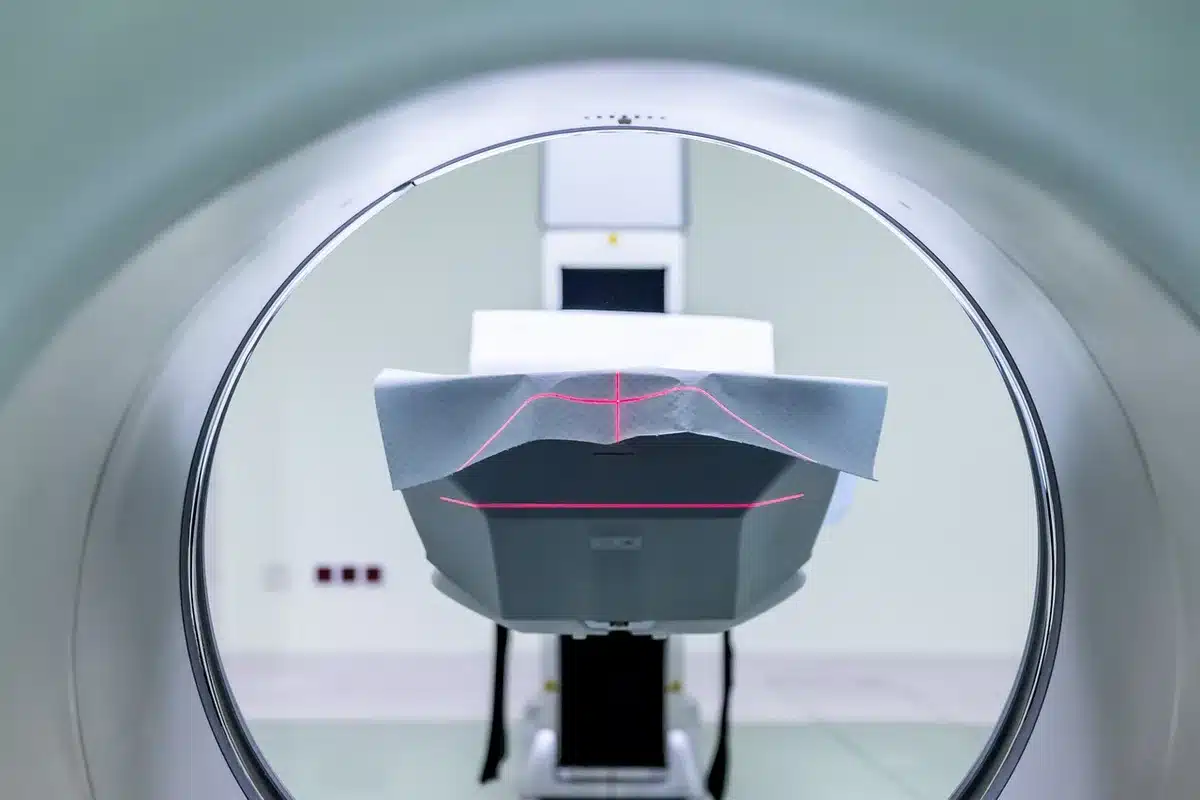
In the experiment, 30 skilled practitioners performed a continuous inspiration-exhalation method while lying in an MRI scanner. The maneuver — known among performers as circular breathing — lets players sustain sound without pausing for air by inhaling through the nose while blowing out through the mouth into an instrument.
What the imaging showed
During the breathing exercise researchers recorded a striking decline in blood supply to the brain: overall gray matter cerebral blood flow dropped by roughly 45 percent. That degree of reduction is dramatic and helped explain why participants reported intense subjective changes.
Participants described profound, immersive experiences — a sense of unity and detachment from ordinary consciousness often reported in psychedelic sessions. Investigators say the breathing pattern appeared to reorganize functional connections across brain networks, producing states similar in character to drug-induced altered consciousness.
- Sample: 30 experienced breathworkers scanned in an MRI.
- Technique: continuous circular breathing, as used by brass and woodwind players.
- Key objective measure: ~45% reduction in global gray-matter blood flow.
- Subjective results: reports of high-intensity “oceanic” or unity experiences comparable to psychedelic reports.
- Publication and presentation: results published in Progress in Neuropsychopharmacology and Biological Psychiatry and presented at ECNP Congress, Munich.
Why this matters now
Interest in psychedelic-assisted therapies for depression and PTSD has accelerated research into how those substances reshape consciousness and the brain. Breathwork offers a low-cost, non-drug window into similar brain dynamics without regulatory hurdles tied to controlled substances. That makes it an attractive target for further work — both to study mechanisms and potentially to develop therapeutic tools.

Still, the study does not establish breathwork as an evidence-based treatment. There was no inactive control group, the cohort was small and highly experienced, and the magnitude of blood-flow change raises physiological questions that need careful follow-up. Reduced perfusion on this scale can produce powerful subjective effects, but it’s not the whole story: neural circuitry and metabolic factors also play roles.
Implications and next steps
Researchers and clinicians will likely pursue several directions:
- Replication with larger, more diverse groups and proper control conditions.
- Comparative studies that directly contrast breathing-induced states with psychedelic sessions using comparable brain measures.
- Safety assessments to determine tolerability and any short- or long-term risks of prolonged circular breathing.
- Exploration of whether shorter, guided breathwork protocols can produce reliable therapeutic effects for anxiety, depression, or PTSD.
For now, the finding is a provocative step rather than a clinical breakthrough. It highlights how something as mundane as breathing — when practiced in specific, trained ways — can alter brain physiology and subjective experience. Researchers caution against trying extreme breath-hold or continuous-breath techniques without guidance and clinical oversight; controlled studies are needed before any therapeutic claims can be made.
As investigations continue, the study underlines a broader point: nonpharmacological approaches may help illuminate the biology of altered states and expand the toolkit for mental health research and treatment — but careful science will be required to separate promising leads from short-lived curiosities.
Similar Posts
- Unlock Your Health Secrets: Discover How Unique Your Breathing Pattern Is!
- Boost Your Brain Power: How Sniffing This Scent Increases Gray Matter!
- NASA scientist recounts three clinical deaths and vivid afterlife visions
- Sleep apnea: new treatment could sideline CPAP for millions
- Blood pressure responds better to an easy daily tweak than to exercise, study finds

Miles Harper focuses on optimizing your daily life. He shares practical strategies to improve your time management, well-being, and consumption habits, turning your routine into lasting success.