
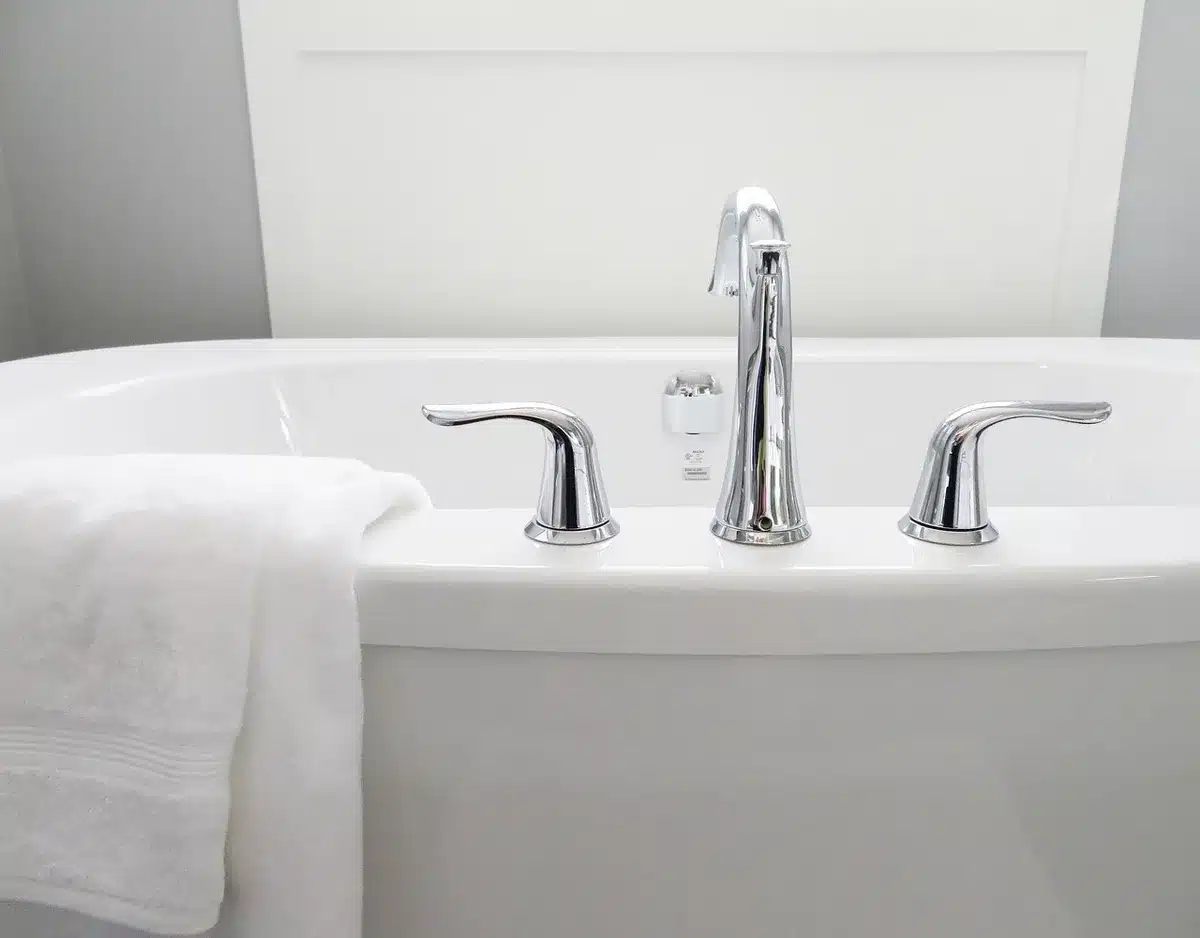
A small, new study suggests a 30-minute hot bath can lower blood pressure more than a 30-minute moderate bike ride in middle-aged adults with excess weight — a finding that could matter for people who have limited mobility or are looking for low-effort ways to ease elevated blood pressure. While the result doesn’t replace the broad cardiovascular benefits of exercise, it highlights heat exposure as a simple, immediate way to improve circulation.
What researchers tested and what they measured
Scientists at the University of Western Australia recruited 25 adults, aged 45 to 70, with overweight or obesity for a paired trial. Each volunteer completed two sessions at least three days apart: one involved sitting chest-deep in 104°F (40°C) water for 30 minutes; the other was 30 minutes of moderate cycling on a stationary bike.

Investigators used optical coherence tomography to scan the tiny blood vessels beneath the skin and tracked changes in blood flow, vessel diameter and microvascular structure. The heat soak produced larger increases in vessel diameter and faster skin blood flow, along with greater measures of what researchers called microvascular density, compared with the cycling session.
The hot bath also led to slightly larger reductions in both systolic and diastolic blood pressure immediately after the session than the bike ride did.
Why the hot bath had an effect
Raising core body temperature triggers the body’s heat-loss mechanisms: blood vessels near the skin widen to move warm blood outward, a process known as vasodilation. That outward flow increases skin blood velocity and expands the network of capillaries engaged in circulation — measurable changes the study recorded.

Exercise raises heart rate and redistributes blood to working muscles, but the pattern of temperature-driven, skin-focused circulation is different from the vascular response during moderate cycling. In short: heat nudges blood to the skin to cool off, and that appears to produce a stronger short-term drop in peripheral blood pressure in this group.
- Study population: 25 overweight or obese adults, ages 45–70
- Interventions: 30 minutes chest-deep in 104°F water vs. 30 minutes moderate stationary cycling
- Key findings: greater increases in vessel diameter, blood flow speed and microvascular density after the bath; slightly larger reductions in systolic and diastolic blood pressure
What this means for readers
For people who struggle with mobility, or who need gentle ways to lower blood pressure, regular hot baths may offer a low-effort option to improve peripheral circulation and achieve short-term reductions in blood pressure. That could be useful as an adjunct to medical care or lifestyle changes — not a substitute.
Exercise remains essential. Physical activity builds muscle, burns calories, improves endurance and provides long-term cardiovascular benefits that passive heat exposure cannot match. A practical approach for many might be to keep exercising when possible and consider a warm soak afterward to amplify short-term circulatory relief.
Importantly, the study sample was small and limited to a specific age and weight group, so the results may not apply to younger, leaner people or to those with different health profiles.
Safety and cautions
Hot baths are not without risk. People with unstable heart disease, uncontrolled hypertension, fainting history, or pregnancy should consult a clinician before using prolonged hot soaks. Rapid heat exposure can strain the cardiovascular system, and anyone feeling lightheaded, nauseous or excessively weak should stop and seek help.
Doctors can advise on temperature limits, session length and how to integrate heat therapy safely with medications that affect blood pressure.
In short: the new findings point to heat as a quick way to ease blood pressure in certain older adults, but they don’t undermine the irreplaceable long-term benefits of regular physical exercise. For those considering hot baths as part of blood-pressure management, a conversation with a healthcare provider is a sensible next step.
Similar Posts
- Maximize Your Health: Discover the Exact Exercise Needed to Counteract a Day of Sitting!
- 7 Shocking Ways Your Bathroom Habits Are Damaging Your Health: Are You at Risk?
- Boost Your Sex Life Now: Discover 4 Foods That Can Help!
- Money Worries May Age Your Heart Faster Than Disease: New Study Reveals
- TikToker’s Prison Routine Goes Viral: You Won’t Believe Why People Are Jealous!

Miles Harper focuses on optimizing your daily life. He shares practical strategies to improve your time management, well-being, and consumption habits, turning your routine into lasting success.