

A new analysis published in iScience suggests that the emotional chemistry between cats and their owners may be more intertwined than previously documented. The study links fluctuations in the “feel-good” hormone and stress markers across households, a finding that could reshape how veterinarians and mental health professionals think about human–animal bonds.
The research at a glance
Researchers followed 19 people and 29 pet cats for roughly a month, tracking hormonal changes alongside owner-reported mood and how physically close cats and owners were throughout the day. The focus was on two hormones: oxytocin, often associated with social bonding, and cortisol, a key indicator of stress.
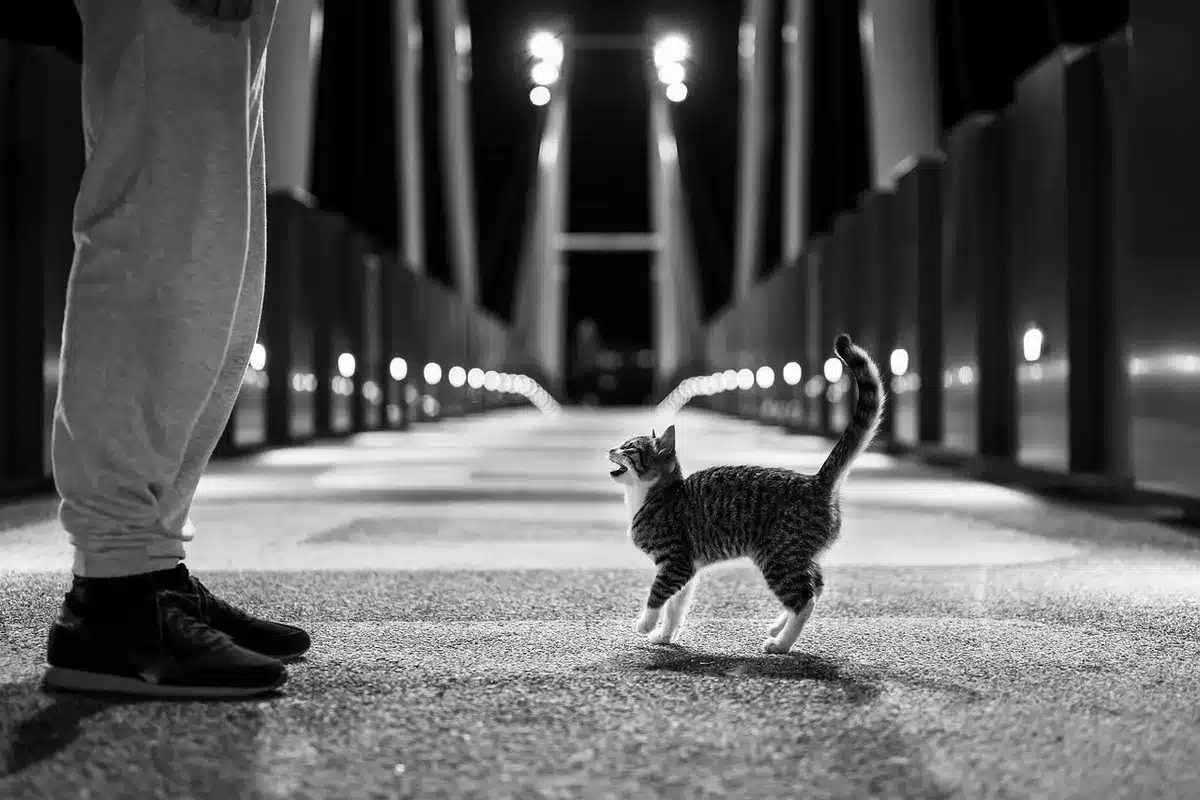
The headline result: when owners and cats showed similar patterns in oxytocin, owners tended to report better mood and lower stress. In contrast, correlations for cortisol were weaker, though some links appeared between higher cat cortisol and more negative owner mood.
Key findings and what they mean
- Oxytocin alignment: Cat and owner oxytocin levels tended to rise and fall together, especially when the animal spent more time near its person.
- Owner mood associations: Higher oxytocin in cats was associated with lower owner cortisol and fewer reports of negative feelings.
- Weaker cortisol coupling: Cortisol levels between owners and cats showed less direct synchrony, suggesting stress transmission is more complex or situational.
- Proximity matters: Physical closeness strengthened oxytocin links, implying daily contact can deepen physiological connections.
Why this matters now
Interest in the mental-health benefits of companion animals has grown during the pandemic era and beyond, with more people working from home and spending extended time with pets. If pets and people truly share shifting hormonal states, that could affect everything from how veterinarians advise stressed owners to how therapists consider animals in treatment plans.
At the same time, the results prompt practical questions: could owner stress be buffering a pet’s wellbeing, or vice versa? And how should caretakers respond if a pet’s stress is reflecting back on the household?
Study limitations and unanswered questions
While the study provides intriguing evidence of shared hormonal patterns, it does not establish cause and effect. The sample was small and observational, so we cannot yet say whether people primarily influence their cats’ hormones, cats primarily influence their humans, or if the relationship runs both ways.
Other factors—daily routines, health conditions, handling and sampling methods, and environmental stressors—may also shape the hormonal profiles observed. The authors note that experimental or larger longitudinal studies are necessary to sort out directionality and mechanism.
Practical takeaways for cat owners
Until more is known, owners can consider a few modest steps that may benefit both sides of the partnership:
- Maintain regular, calm interactions—consistent routines and gentle handling may support lower stress levels in both pets and people.
- Pay attention to proximity: quiet, shared time (sitting together, petting) appears linked to stronger bonding signals.
- Watch for behavioral signs of stress in your cat; a distressed animal could be both a consequence and a contributor to household tension.
- Consult veterinarians or animal behaviorists if either you or your pet shows persistent anxiety—professionals can suggest targeted interventions.
Perspective and next steps
These findings add to a growing body of research showing that relationships with companion animals extend beyond companionship into measurable physiology. But the picture is still emerging.
Future studies with larger, more diverse samples and experimental designs will be crucial to determine how hormone exchange unfolds, whether specific behaviors trigger hormonal shifts, and how veterinarians and clinicians might use that knowledge to improve welfare for both species.
As a cat owner, it’s tempting to read these results as validation that my pet calms me and that I return the favor. Scientifically, the jury is still out—but the study underscores a truth many owners already feel: living with a pet is a deeply reciprocal experience, shaped as much by hormones as by habit.
Similar Posts
- Cats boost mood and reduce stress, new study finds
- Vet Reveals: 5 Surprising Signs Your Pet Is Super Stressed!
- Cat-linked fungus poised to reach US: CDC warns of growing threat
- Discover How Pets Deliver Joy Comparable to Spouses: New Study Reveals
- Dog owners’ odd habits sparking neighbor complaints: what it means for you

Miles Harper focuses on optimizing your daily life. He shares practical strategies to improve your time management, well-being, and consumption habits, turning your routine into lasting success.