
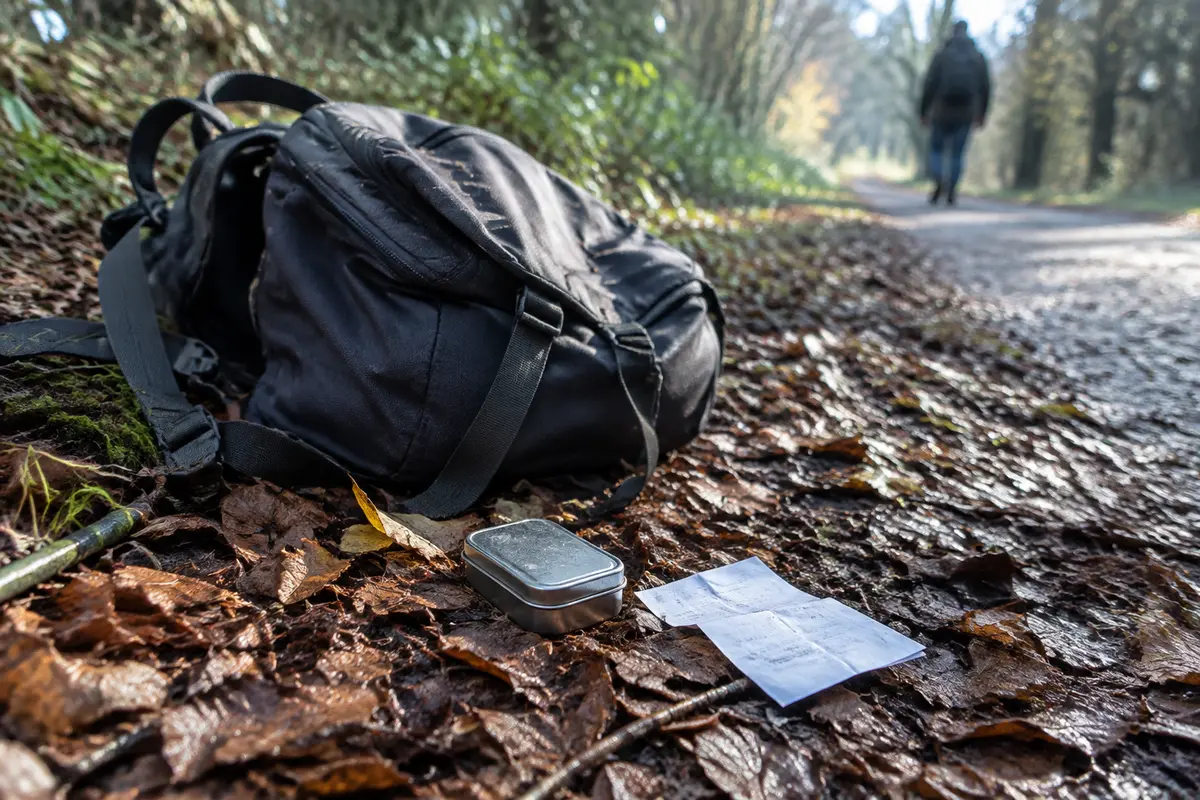
A fresh fraud scheme in Norway is prompting banks to issue urgent warnings after dozens of customers converted cash into metal and were then instructed to hide it in nearby woodlands — only to have the stash disappear. The case is a sharp reminder that scams using physical valuables can spread quickly, especially in rural and forested regions where anonymity and distance help criminals operate.
Financial lobby group Finans Norge alerted the public after reports surfaced in the spring that people around Oslo and Bergen had been persuaded to buy gold and stash it outdoors at the direction of strangers. Authorities say the valuables did not remain safe; in many instances, third parties retrieved the hidden holdings.
How the scheme operates
According to reporting by Bloomberg and statements from Norwegian banking officials, the pattern is consistent: a target is contacted, encouraged to withdraw funds or buy physical metal, and then told to conceal the purchase in a specified outdoor location. The caller or contact claims the items will be monitored or that their value will appreciate while hidden.

Instead, the hidden items are often collected by accomplices or opportunistic thieves. The operation leverages two key factors: the logistical difficulty of recovering assets left in isolated places, and the false assurance offered by the person instructing the depositor.
Why this matters now
Financially, the losses are immediate and irreversible for many victims. Beyond the personal harm, incidents like this complicate investigations — evidence is lost, witnesses are unreliable, and the trail often crosses municipal or regional boundaries.
There’s also a broader risk: when a low-cost, low-tech tactic works once, it can be copied and adapted elsewhere. Forested and rural areas in other countries could become targets if the scam spreads beyond Norway.
- Recognize the red flags: Unsolicited instructions to move or hide assets; pressure to act quickly; requests to buy physical commodities with cash; and promises of guaranteed protection or returns.
- Immediate steps if targeted: Stop communication, record the caller’s details, notify your bank, and report the incident to local police.
- Protect your assets: Use secure, official channels — bank accounts, regulated custodial services, and insured storage facilities rather than ad-hoc hiding places.
- Preserve evidence: Keep messages, emails, and transaction receipts; these help investigators and your financial institution assess fraud.
What authorities are doing
Finans Norge has issued public advisories urging customers not to transfer savings to strangers or follow instructions that involve removing funds from banks. Police in affected areas are collecting reports, but recoveries are difficult once valuables are hidden or moved.

Officials warn that the exact scale of losses remains unclear; the fact authorities felt compelled to make a broad announcement suggests the problem is substantial enough to merit public attention.
Context and prevention
Scams that involve physical goods exploit vulnerabilities different from online frauds. They rely on in-person handoffs, misleading narratives, and the perceived safety of remote locations. That mix makes detection slower and recovery far harder.
Financial institutions and law enforcement recommend skeptical scrutiny of any unexpected financial instruction, especially when it involves converting electronic funds into cash or physical commodities and then relocating them outside regulated storage.
For now, the best defense is caution: treat unsolicited investment advice with suspicion, keep funds in traceable accounts, and report suspicious approaches promptly so authorities can track and contain emerging patterns.
Similar Posts
- Casino Scam Alert: Couple Nabs $800K with Spy Gear and Earpieces!
- Salomon Brothers partner loses $10M after assistant pleads guilty
- Bank of America Shuts Down Branches: Full Closure List Revealed!
- Imposter scams again top FTC fraud complaints: $3.5 billion lost in 2025
- IRS Scam Warning for Millions: Exercise Caution When Claiming Your Check!

Miles Harper focuses on optimizing your daily life. He shares practical strategies to improve your time management, well-being, and consumption habits, turning your routine into lasting success.