
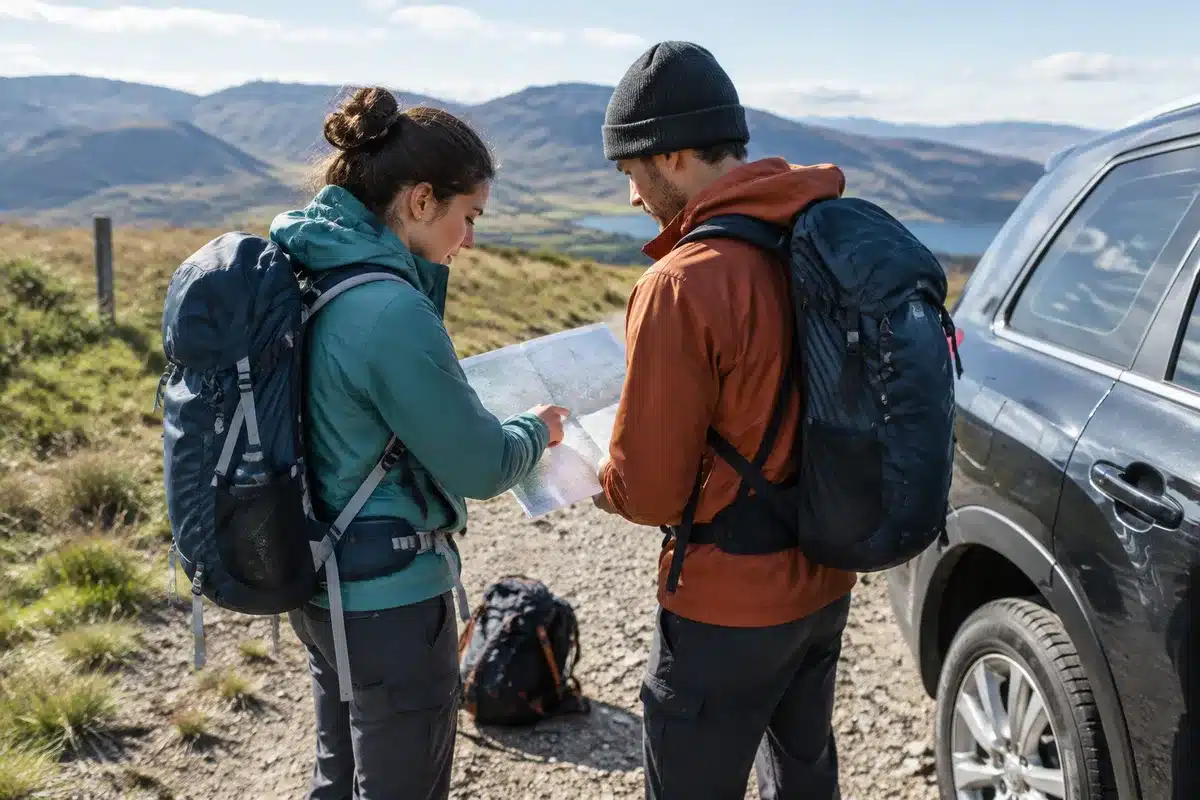
A series of service failures this month — including a major Microsoft outage and a nationwide FAA ground stop — has raised fresh questions about how dependent everyday life is on online systems. The interruptions were resolved quickly, but they offer a useful reminder: when cloud services and air-traffic tools falter, practical, low-tech skills suddenly matter.
On November 12, several Microsoft platforms experienced outages that affected businesses and consumers. The following day the Federal Aviation Administration paused departures across the U.S. for several hours, an action officials later tied to equipment and network issues rather than a confirmed cyberattack. The close timing of the incidents prompted widespread online alarm and underscored how fragile some operational chains can be.
A 2023 FEMA survey found that roughly half of American adults consider themselves prepared for a major emergency, a statistic that highlights a gap between digital convenience and basic readiness. Below are simple, human-scale skills you can practice now so a short outage doesn’t become a personal crisis.
Find your way without a signal
Smartphones and vehicle navigation systems have made getting lost rare — until the battery dies. You can still orient yourself using natural cues. During the day, the sun travels from east to west; before noon it will be generally in the east, after noon in the west. At night, look for the Big Dipper: the two stars at the cup’s rim point to Polaris, the North Star, which sits nearly over true north.
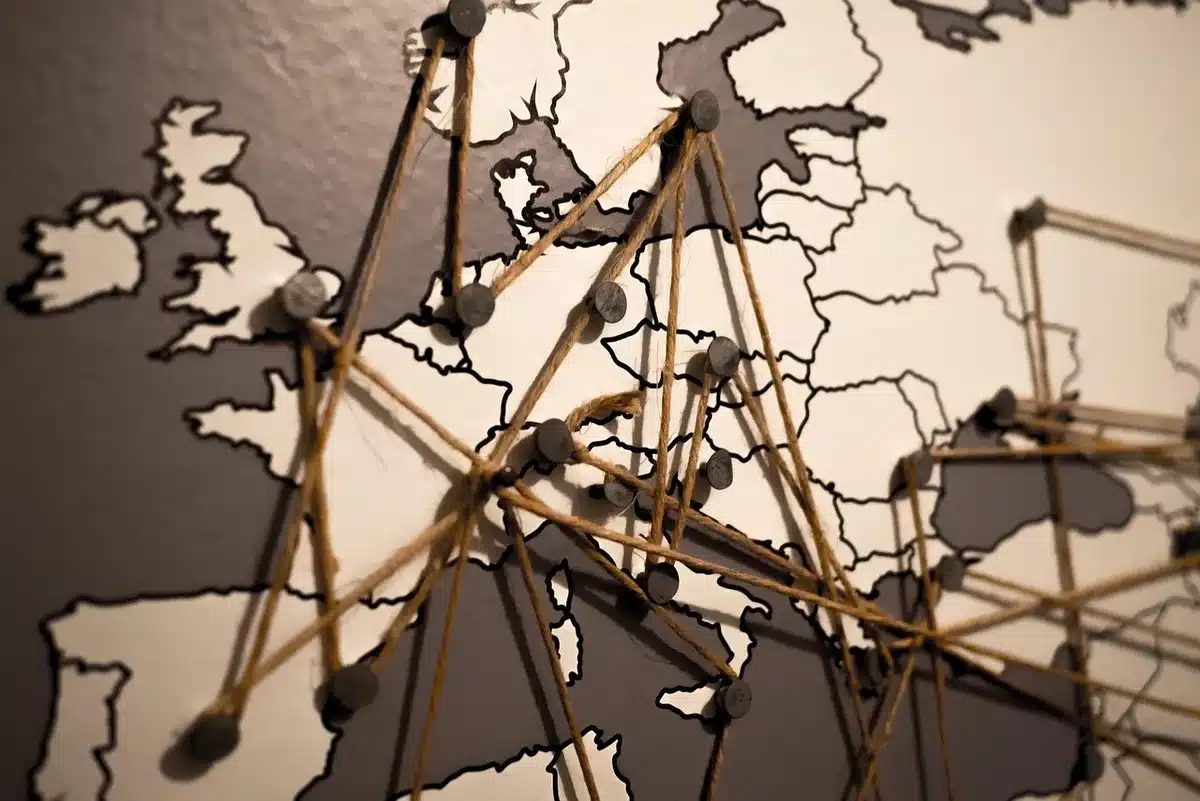
If you’re moving through unfamiliar terrain, combine these methods with simple cross-referencing: note where the sun was when you left, look for landmarks, and mark your path with temporary, low-impact markers so you can backtrack if needed.
Tell time without your phone
Analog clocks remain common in public places. The shorter hand indicates the hour; the longer hand shows minutes. If you need to estimate time without a clock at all, recall the sun’s position: when shadows are shortest, it’s around solar noon locally.
Practice reading a classic clock now — it’s fast to learn and useful when digital devices go dark.
Know which plants are safe
Foraging trends online can make wild food gathering look simple, but many edible species have poisonous lookalikes. Visual similarity, regional variations, and plant stage (flowering vs. seeding) all complicate identification. Animals eating a plant is not proof that it’s safe for humans.
If you plan to harvest wild foods, rely on authoritative field guides or local experts, and learn a handful of unmistakable edible species and their toxic doppelgängers before you need them.
Stretch your food supply
In a short-term outage, managing rationing is more effective than panic consumption. Inventory what you have, prioritize nonperishable items, and plan meals to cover the most people per calorie. Foods that don’t require refrigeration or cooking — canned goods, ready-to-eat grains, and sealed snacks — are especially valuable if power remains out.

Keep in mind that hydration is as important as calories. If running water is limited, allocate fluids deliberately and avoid high-sodium foods that increase thirst.
Handle human waste responsibly
Indoor plumbing is not guaranteed in a widespread outage or in remote areas. Outdoors, follow Leave No Trace guidance: dig a cathole 6 to 8 inches deep and at least 200 feet from water sources, trails, and campsites, then cover it. Local regulations differ, so check park rules or municipal guidance before relying on this method.
For home scenarios, have a plan for temporary sanitation — buckets with tight lids, biodegradable bags, and disinfectant supplies can reduce health risks until systems are restored.
- Navigation: Use the sun by day and Polaris by night; mark a return route.
- Timekeeping: Practice reading analog clocks and estimating time from solar position.
- Foraging safety: Learn a few well-defined edible species and their toxic lookalikes.
- Food management: Take inventory, ration deliberately, and prioritize nonperishables.
- Sanitation: Know low-tech waste protocols and prepare temporary toilet supplies.
These are not survivalist extremes but practical habits: small investments of time in skill and planning that reduce stress when technology stumbles. The recent outages serve as a prompt — not to fear the future, but to make sure a short-lived systems failure doesn’t become an avoidable personal emergency.
Similar Posts
- AO3 outage knocks fanfiction offline: what fans should know now
- $120 Stimulus Checks Coming This Summer: Find Out If You’re Eligible!
- Top 5 Unsafe Foods to Skip at Restaurants: Safety Experts Advise
- Sperm counts fall after common habit: new study warns fertility may suffer
- Americans’ top food pet peeves: 12 items people refuse to eat

Miles Harper focuses on optimizing your daily life. He shares practical strategies to improve your time management, well-being, and consumption habits, turning your routine into lasting success.