
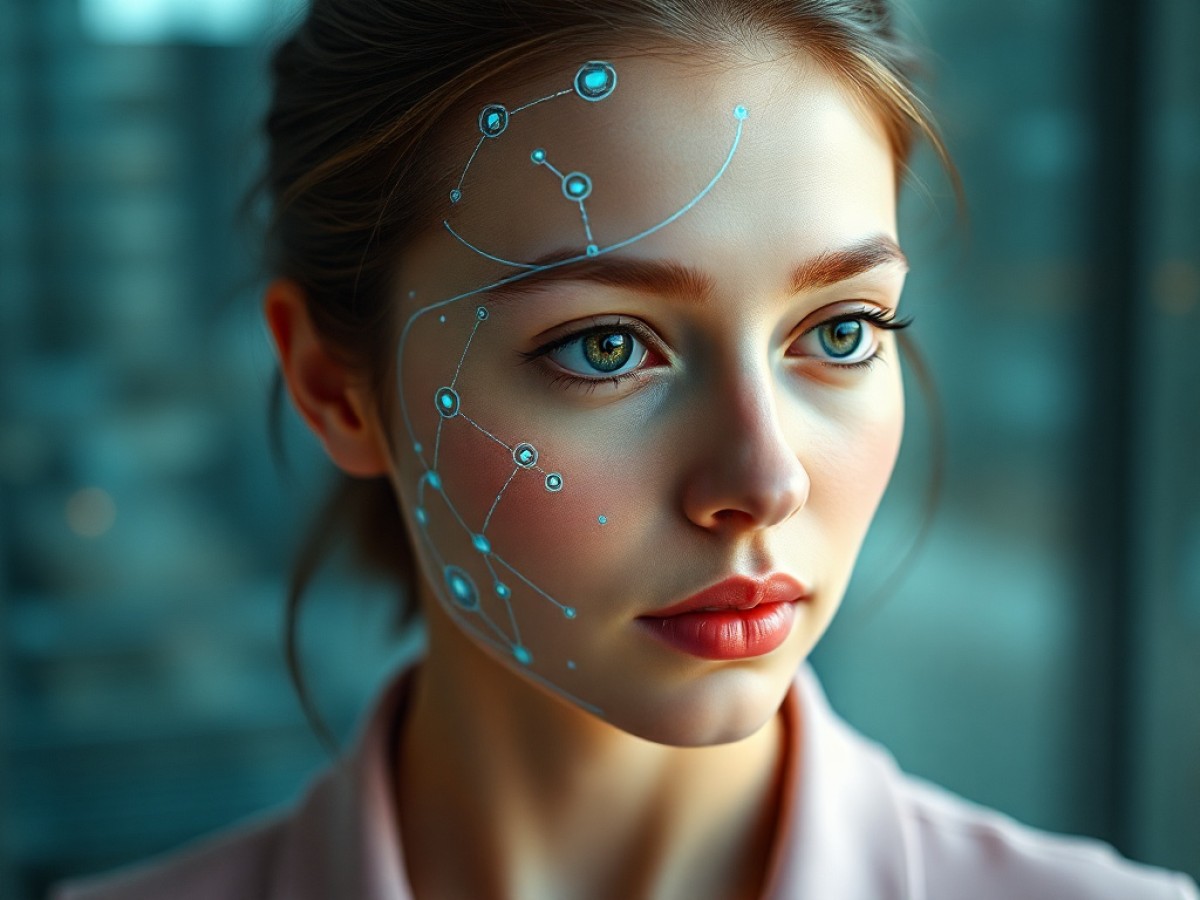
Excessive Exposure to AI-Generated Images Caused Psychological Issues for Woman
In a startling revelation, a woman has reported experiencing severe psychological disturbances after viewing an overwhelming number of artificial intelligence-generated images of herself. This condition, which has been termed “AI psychosis” informally, raises concerns about the mental health implications of AI technologies.
The Onset of AI-Induced Psychosis
The woman, who chose to remain anonymous, detailed how her curiosity led her to use various AI platforms to generate multiple versions of her image. These platforms, which utilize complex algorithms to alter images in countless ways, initially fascinated her. However, as she delved deeper, the fascination turned into a fixation.
Over time, the constant exposure to these varied, and sometimes distorted, representations of herself began to take a toll on her mental health. She reported feelings of detachment from reality, as the boundaries between her true self and the digitally altered versions became increasingly blurred. This confusion was compounded by the AI’s ability to present highly realistic yet fundamentally altered images of her.
Psychological Impact and Symptoms
The symptoms she experienced were unsettling. She mentioned episodes of disorientation and identity confusion, where she struggled to recognize her own face in the mirror. The impact was profound, leading to anxiety and a pervasive sense of unreality, a condition sometimes associated with derealization disorders.
Mental health professionals are paying attention to cases like hers, suggesting that the psychological effects of AI-generated content can be significant. They warn that what starts as a novel interaction with technology can escalate into a serious health issue if the exposure is intense and prolonged.
Broader Implications for AI Interaction
This incident has sparked a broader discussion about the need for guidelines and safety measures when interacting with AI imagery. Experts in the field of AI and mental health urge users to be cautious with the use of technology that has the potential to alter human perception and mental stability.
They recommend setting boundaries on the use of such technologies, especially when it involves personal or sensitive content. It’s also suggested that developers of AI tools should consider implementing features that limit the potential for psychological harm, such as warnings or usage restrictions.
Looking Ahead
As AI continues to integrate into everyday life, understanding and mitigating its potential adverse effects on mental health becomes crucial. This case serves as a reminder of the need for ongoing research and dialogue about the safe use of AI technologies. Moving forward, both users and developers must collaborate to ensure that innovations in AI are both beneficial and safe for mental well-being.
Similar Posts
- World Mental Health Day: Discover 4 Genuine Ways to Make a Difference!
- AI Bias Alert: Humans Losing Out as Artificial Intelligence Plays Favorites
- PMS Transformation Explained: Why You Feel Like a Different Person Every Month
- ChatGPT Convinces Man He’s a Genius: His Reality Spirals Out of Control!
- Gen Z’s Latest Obsession: Traveling to Hotspots with Attractive Locals!

Miles Harper focuses on optimizing your daily life. He shares practical strategies to improve your time management, well-being, and consumption habits, turning your routine into lasting success.