
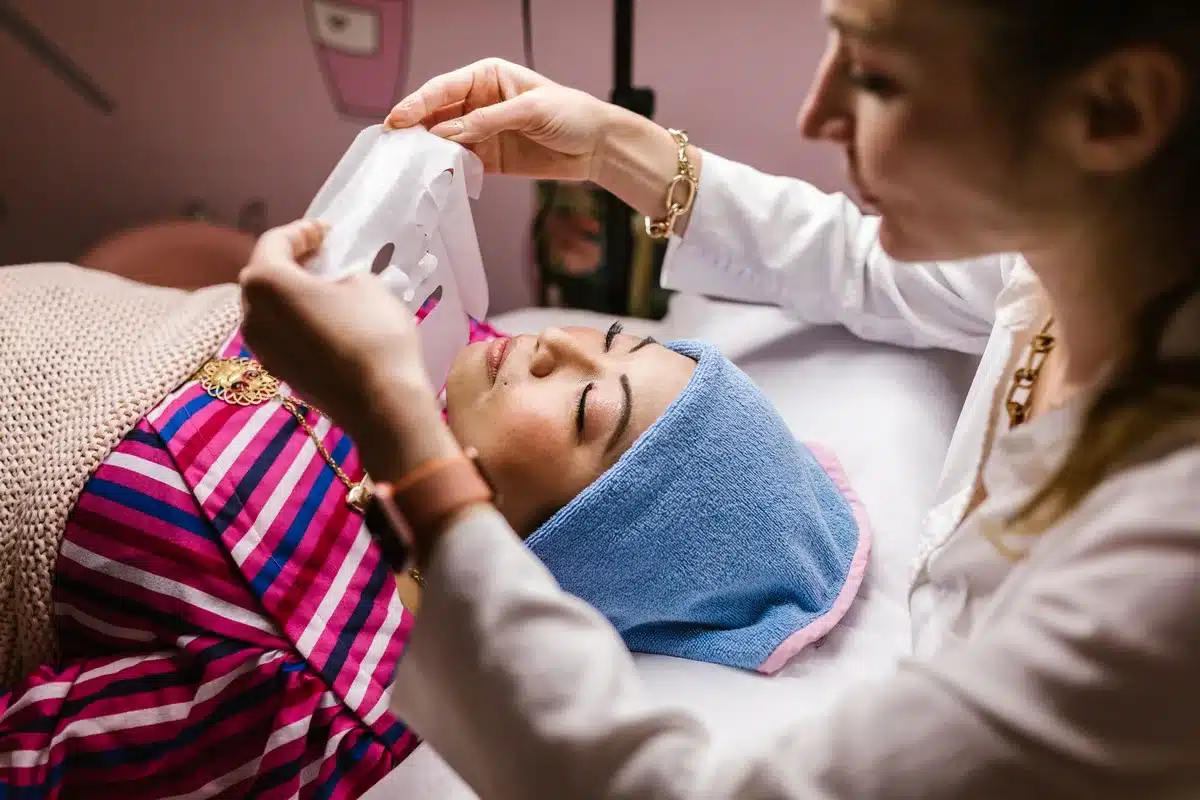
A viral TikTok this summer has turned a routine salon conversation into a curious grooming dilemma: some people report that getting a Brazilian wax can change how their flatulence sounds. The short takeaway — and the practical one for anyone booking their first wax — is that removing hair can alter the physics of the area, with real-life consequences for comfort and discretion.
South Carolina creator Sarah Baus drew millions of views after demonstrating the basic mechanics on camera: without hair to create a cushion and some friction, gas may exit with more audible results. Viewers flooded the comments with similar experiences, turning what began as an aesthetic choice into a widespread, relatable phenomenon.
Why removing hair can make farts louder
Biologically speaking, pubic hair functions as a tiny buffer that mitigates direct skin-to-skin contact. When hair is removed, two smooth surfaces can press closer together. Add moisture or tight clothing, and conditions are more likely to produce sound when gas is released.
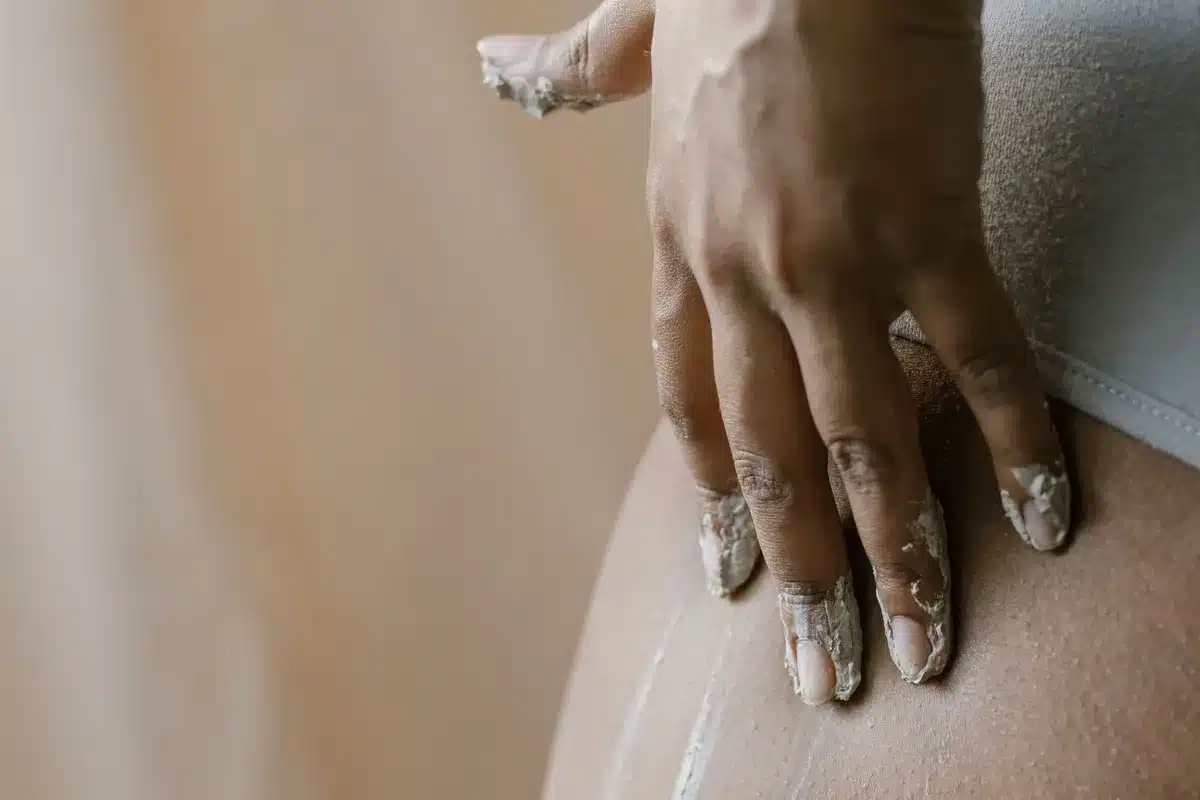
Courtney Claghorn, founder of the grooming studio SUGARED + BRONZED, told the New York Post that the explanation makes sense. She noted that increased skin contact and moisture can sometimes lead to “unexpected noises,” and advised straightforward aftercare: keep the area cool and dry and favor loose, breathable clothing immediately after a wax.
Medical professionals and clinicians on social platforms have echoed the point. A nurse practitioner on TikTok posting as @hijabiluscious warned followers to expect louder flatulence after a Brazilian and to plan accordingly, especially in the first day or two post-procedure.
Beyond the physiology, the social fallout can be real: people report embarrassment at home and in intimate moments, while others treat it as a funny trade-off for a smoother look.
Practical steps to ease the issue
Here are simple measures people and salons can try to reduce the chance of loud post-wax flatulence:
- Wait before intimacy: Allow at least 24 hours of healing; 48 hours if you’re prone to irritation or ingrown hairs.
- Keep it dry: Moisture increases skin-to-skin contact. Pat the area dry and wear breathable fabrics.
- Choose looser clothing: Avoid tight waistbands and synthetic fabrics for the first day or two.
- Consider alternatives: Trimming or a less extensive removal may reduce the effect if discretion is a priority.
- Talk to your aesthetician: Ask about aftercare and whether waxing technique or timing might lessen friction-related noise.
Some commenters shared informal hacks — for example, adjusting posture briefly during release — but these are anecdotal rather than clinically validated. The clearest, evidence-aligned steps remain moisture control, breathable clothing, and a short recovery period.
For anyone weighing the benefits and drawbacks of hair removal, this episode highlights an often-overlooked trade-off: aesthetics versus the small, everyday realities of bodily function. Salons and clients can reduce awkward surprises by discussing aftercare and setting expectations before the appointment.
Similar Posts
- Beard Hygiene Exposed: What Science Really Says About Your Facial Hair!
- Summer Hair Care Secrets: How Often Should You Wash Your Hair?
- Surprising Traits Women Love in Men: Find Out What Really Attracts Them!
- Doctors warn after bizarre cases of patients swallowing nonfood objects
- Women look more attractive after one habit men notice: psychologists explain why

Miles Harper focuses on optimizing your daily life. He shares practical strategies to improve your time management, well-being, and consumption habits, turning your routine into lasting success.